Neurophysiology Scientist
SOC 29-2099.01 · ESCO 2269 · OSCA 263934
Role snapshot
Overview
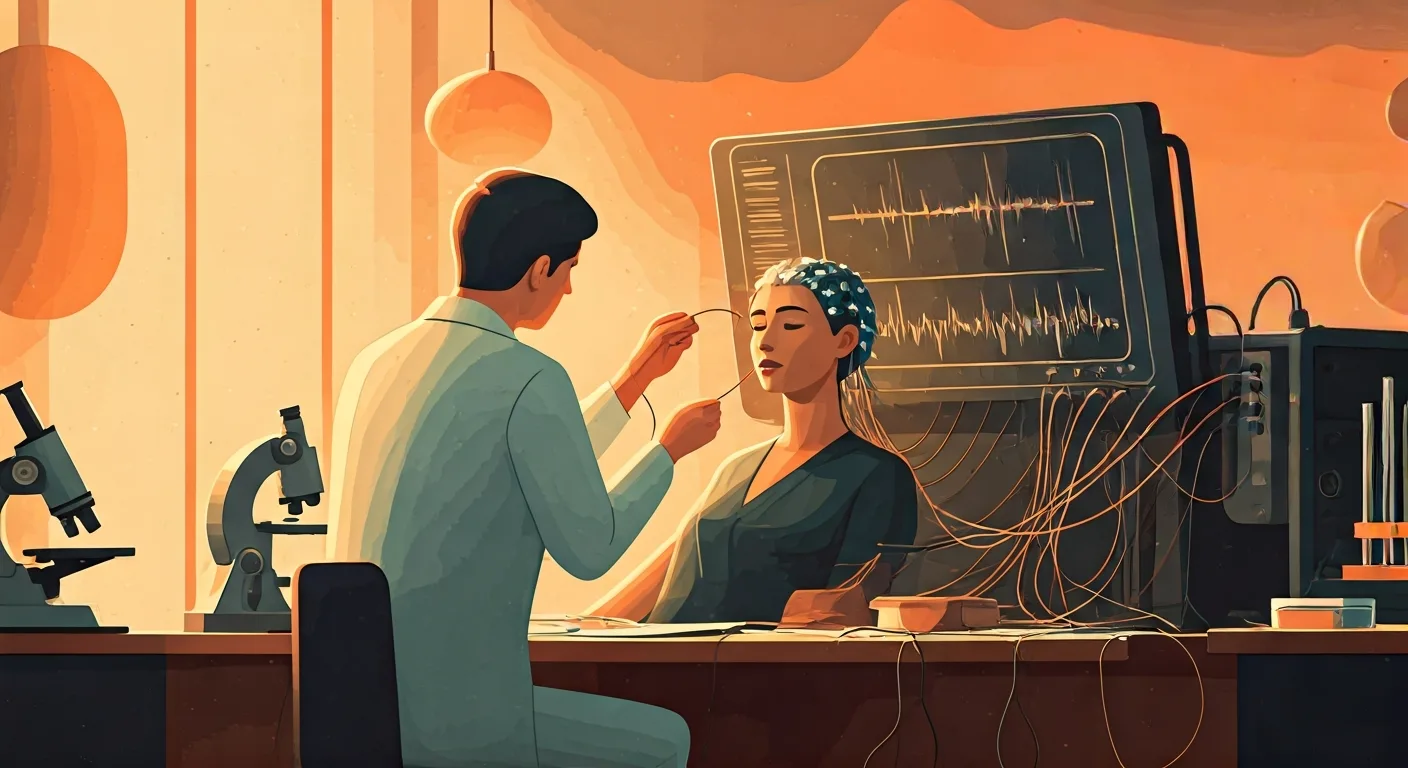
Records and analyses electrical activity in the brain and nervous system using techniques like EEG, nerve conduction studies, and evoked potentials. Interprets results to help neurologists and other medical specialists diagnose conditions such as epilepsy, multiple sclerosis, neuropathies, and other neurological disorders, contributing directly to patient care and treatment planning.
Provides critical diagnostic information that enables neurologists to accurately identify and treat complex neurological conditions, significantly improving patient outcomes and quality of life.
On the job
- Perform electroencephalograms (EEG), nerve conduction studies (NCS), and evoked potential (EP) tests on patients
- Analyze complex electrophysiological data, identify abnormalities, and generate preliminary reports
- Collaborate with neurologists and other medical staff to discuss findings and assist in diagnostic conclusions
- Maintain and calibrate specialized neurophysiological equipment to ensure accurate and reliable results
- Educate patients and their families about testing procedures and ensure their comfort during examinations
Tools & technology
Average salary
Job outlook
StableDemand is steady. This is an established role with consistent hiring across sectors.
Education & training
A bachelor's or master's degree in a relevant scientific field is typically required, often followed by specialized training or certification.
AI impact outlook
Note — this is our current view. AI is moving fast, so we revisit these ratings.
Show how this was assessed Hide the detail
Note — this is our current view. AI is moving fast, so we revisit these ratings.
Show how this was assessed Hide the detailWhy this role received this rating
Core task exposure
high
How much of the role’s important work could AI perform?
The analysis of complex electrophysiological data and the generation of preliminary reports are highly exposed to AI's advanced pattern recognition and data synthesis capabilities.
End-to-end automation
moderate
Can AI complete the work without substantial human involvement?
While data analysis and report generation can be significantly automated, patient interaction during testing and the collaborative diagnostic process with neurologists still require human input.
Adoption pressure
high
How likely are employers to introduce AI into this work?
Very high adoption pressure due to AI's potential to dramatically improve accuracy, speed, and cost-efficiency in analyzing large volumes of neurophysiological data.
Human dependence
moderate
How much does success depend on human judgement, relationships and accountability?
Success requires critical interpretation of data in clinical context, collaboration with medical specialists, and patient education, placing moderate dependence on human judgment and communication.
Protective — a higher rating lowers the overall score.
Role adaptability
strong
How easily can the role evolve as AI takes on more tasks?
The role can readily adapt by specializing in highly complex cases, research, and integrating novel AI tools for advanced neurophysiological diagnostics and analysis.
Shown for context — not part of the score.
What AI may take on
These are the parts of the role most likely to be automated or significantly accelerated.
- Automated analysis of EEG, NCS, and EP data for abnormalities
- Generating comprehensive preliminary diagnostic reports
- Identifying patterns and correlations in large datasets
- Optimizing equipment settings and calibration through predictive analytics
- Automating patient information and test result management
Where people remain essential
These parts continue to depend heavily on human judgement, relationships and accountability.
- Performing highly specialized electrophysiological tests on patients
- Critically interpreting AI-generated data analyses in clinical context
- Collaborating closely with neurologists for definitive diagnoses
- Educating patients and families about testing procedures and results
- Troubleshooting complex equipment and ensuring data integrity
- Developing new diagnostic protocols and research methodologies
How the role may evolve
From data cruncher to diagnostic collaborator.
The neurophysiology scientist will transition from primarily analyzing raw data to acting as a high-level diagnostic collaborator, leveraging AI for initial insights while providing expert clinical judgment and consultation.
Strengthen your future fit
- Developing advanced analytical and critical thinking skills
- Mastering collaboration with AI and medical specialists
- Cultivating strong communication and presentation abilities
- Staying at the forefront of neurophysiological research
- Ensuring ethical use and validation of AI in diagnostics
- Assessment horizon
- 3–7 years
- Confidence
- High
- Last reviewed
- August 2026
- Methodology
- v1.0
This assessment reflects current AI capabilities and expected adoption patterns. Actual impacts will vary by industry, employer and the way each role is performed.
Career pathways
WHERE YOU COULD GO
CURRENT ROLE
Neurophysiology Scientist
Allied Health
ADJACENT MOVES
STARTING POINTS
Who thrives here
Interest profile
investigative · IRC
People who enjoy scientific investigation, systematic analysis of data, and hands-on technical work in a structured medical environment tend to thrive in this role.
Personality characteristics
Inquisitive
Possesses a strong desire to understand complex neurological processes and diagnostic puzzles.
Meticulous
Demonstrates extreme precision and attention to detail when performing tests and analyzing data.
Systematic
Prefers following established protocols and procedures to ensure consistent and accurate results.
Calm under pressure
Maintains composure and focus when dealing with complex patient cases or technical challenges.
Collaborative
Works effectively with medical teams to contribute to patient diagnosis and care.
Technically adept
Enjoys working hands-on with specialized equipment and mastering technical procedures.
Best for
- Individuals who are fascinated by the human nervous system and enjoy applying scientific methods to medical diagnostics.
- Professionals who thrive in a structured, detail-oriented environment that requires both technical skill and analytical reasoning.
- Those who seek a career with a direct impact on patient care through specialized expertise.
Watch out for
- Requires high precision and concentration, which can be mentally demanding over long periods.
- Frequent patient interaction necessitates strong communication skills and empathy, even in a technical role.
A week in the life
A representative working week for a Neurophysiology Scientist — where the deep work, meetings, and admin actually land.
Real people. Real results.
Thousands of people
can't be wrong.





Frequently asked questions about Neurophysiology Scientist roles
What does a Neurophysiology Scientist do?
A Neurophysiology Scientist records and analyses electrical activity in the brain and nervous system using techniques like EEG, nerve conduction studies, and evoked potentials. Interprets results to help neurologists and other medical specialists diagnose conditions such as epilepsy, multiple sclerosis, neuropathies, and other neurological disorders, contributing directly to patient care and treatment planning. Provides critical diagnostic information that enables neurologists to accurately identify and treat complex neurological conditions, significantly improving patient outcomes and quality of life.
How much does a Neurophysiology Scientist earn?
A Neurophysiology Scientist earns a median of $105,000 per year in the US, typically ranging from $75,000 to $140,000.
What qualifications do you need to become a Neurophysiology Scientist?
To become a Neurophysiology Scientist, a bachelor's or master's degree in a relevant scientific field is typically required, often followed by specialized training or certification. Certification by the American Board of Registration of Electroencephalographic and Evoked Potential Technologists (ABRET) or similar credentialing body is often required or highly preferred.
What personality suits a Neurophysiology Scientist?
Neurophysiology Scientist roles tend to suit people who are highly conscientious — precise, organised and strong on follow-through (Conscientiousness 82/100) and open and curious — drawn to variety, ideas and new approaches (Openness 80/100). The traits that matter most in the role are Inquisitive, Meticulous, Systematic and Calm under pressure. Possesses a strong desire to understand complex neurological processes and diagnostic puzzles. On interests, Neurophysiology Scientist maps to an IRC Holland Code profile — people who enjoy scientific investigation, systematic analysis of data, and hands-on technical work in a structured medical environment tend to thrive in this role.
Who does a Neurophysiology Scientist role suit?
A Neurophysiology Scientist role is usually a strong fit for these reasons. High Investigative (I) score: the role is centered around scientific inquiry, data analysis, and problem-solving. Strong Realistic (R) alignment: involves hands-on work with complex medical equipment and technical procedures. Significant Conscientiousness (C) demand: requires meticulous attention to detail, adherence to protocols, and accurate reporting.
What are the downsides of being a Neurophysiology Scientist?
Neurophysiology Scientist roles come with trade-offs worth weighing up. Requires high precision and concentration, which can be mentally demanding over long periods. Frequent patient interaction necessitates strong communication skills and empathy, even in a technical role.
What is the work environment like for a Neurophysiology Scientist?
Work as a Neurophysiology Scientist is mostly clinical-based with onsite arrangements common, semi-structured — a mix of set processes and self-directed work, a moderate pace and high exposure to clients or stakeholders. Around 53% of the week is focused deep work.
What skills do you need to be a Neurophysiology Scientist?
Core skills for a Neurophysiology Scientist include Neurophysiological testing procedures, Electrophysiological data analysis, Diagnostic interpretation, Medical report writing and Patient care and communication.
How do you become a Neurophysiology Scientist?
Common entry routes into Neurophysiology Scientist roles include Medical Technologist, Research Assistant Neuroscience and Certified Eeg Technologist.
What career progression is there for a Neurophysiology Scientist?
From a Neurophysiology Scientist role, common next steps include Senior Neurophysiology Scientist and Neurophysiology Lab Manager; lateral moves include Clinical Research Coordinator (Neuroscience).
What is the job outlook for Neurophysiology Scientist roles?
The outlook for Neurophysiology Scientist roles is currently rated stable. Demand is steady. This is an established role with consistent hiring across sectors.
Will AI replace Neurophysiology Scientist roles?
Traitstack rates automation risk for Neurophysiology Scientist roles at 73 out of 100, which is strong. AI is increasingly capable of analyzing complex neurophysiological data and generating preliminary reports, compelling scientists to focus on nuanced interpretation, clinical collaboration, and patient education. AI is most likely to take on automated analysis of eeg, ncs, and ep data for abnormalities, generating comprehensive preliminary diagnostic reports and identifying patterns and correlations in large datasets. Performing highly specialized electrophysiological tests on patients, critically interpreting ai-generated data analyses in clinical context and collaborating closely with neurologists for definitive diagnoses stay with people. From data cruncher to diagnostic collaborator. That score measures how much of the work could change, not the likelihood the job disappears. It is Traitstack's current view, revisited as AI capability moves.