Musician (Instrumental)
SOC 27-2042.00 · ESCO 2652 · OSCA 231633
Role snapshot
Overview
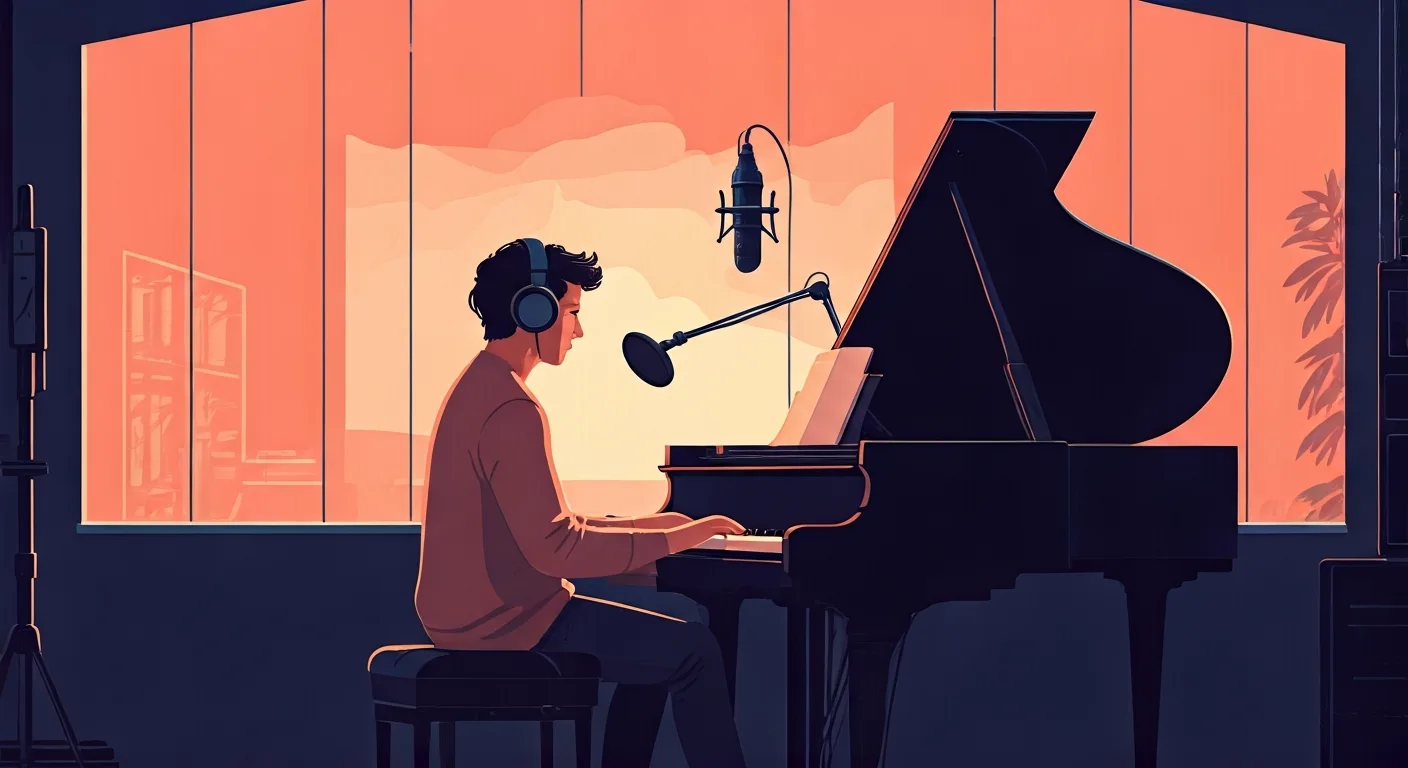
Performs music on one or more instruments in live concerts, studio recordings, or session work, maintaining skills through daily practice. May play in orchestras, bands, or as a soloist, interpreting compositions and collaborating with other musicians and conductors. Requires dedicated practice, performance readiness, and adaptability to various musical styles and settings.
Enriches cultural life and provides entertainment, evoking emotions and creating shared experiences through live and recorded musical performances.
On the job
- Practice instrumental technique, repertoire, and sight-reading daily to maintain proficiency
- Perform in live settings such as concerts, recitals, gigs, and theatrical productions
- Participate in rehearsals with orchestras, bands, or ensembles to refine musical arrangements
- Record instrumental parts for studio albums, film scores, commercial jingles, or online content
- Collaborate with other musicians, conductors, and producers on musical interpretations and arrangements
Tools & technology
Average salary
Job outlook
StableDemand is steady. This is an established role with consistent hiring across sectors.
Education & training
Formal education in music performance, music theory, or instrumental studies, often supplemented by private lessons and extensive practical experience.
AI impact outlook
Note — this is our current view. AI is moving fast, so we revisit these ratings.
Show how this was assessed Hide the detail
Note — this is our current view. AI is moving fast, so we revisit these ratings.
Show how this was assessed Hide the detailWhy this role received this rating
Core task exposure
high
How much of the role’s important work could AI perform?
AI can compose music, generate instrumental tracks, mimic styles, and even perform complex pieces digitally.
End-to-end automation
moderate
Can AI complete the work without substantial human involvement?
AI can produce complete musical pieces and backing tracks for various uses, but live, nuanced human performance and collaborative improvisation are not fully automatable.
Adoption pressure
high
How likely are employers to introduce AI into this work?
AI music generation offers significant cost savings for background scores, jingles, and content creators, driving rapid adoption.
Human dependence
moderate
How much does success depend on human judgement, relationships and accountability?
The emotional resonance, unique interpretation, and dynamic interaction of human musicians in live settings or collaborative projects remain highly valued.
Protective — a higher rating lowers the overall score.
Role adaptability
strong
How easily can the role evolve as AI takes on more tasks?
Musicians can adapt by focusing on live performance, niche genres, teaching, or becoming composers/directors leveraging AI tools.
Shown for context — not part of the score.
What AI may take on
These are the parts of the role most likely to be automated or significantly accelerated.
- Compose new musical pieces in various styles
- Generate instrumental backing tracks for recordings
- Perform virtual instrumental parts for film scores or jingles
- Transcribe and arrange existing music into sheet music
- Mix and master basic audio recordings
Where people remain essential
These parts continue to depend heavily on human judgement, relationships and accountability.
- Perform live with unique emotional interpretation
- Collaborate in real-time with other musicians and conductors
- Improvise and adapt dynamically during live performances
- Practice instrumental technique daily to maintain proficiency
- Record nuanced instrumental parts with human feel and expression
- Develop a unique artistic voice and repertoire
How the role may evolve
Enhancing creation, preserving authentic live connection.
The role shifts from broad session work to specializing in live performance, unique artistic expression, and human collaboration, while AI handles much of the generative and background music tasks.
Strengthen your future fit
- Cultivate exceptional live performance and improvisational skills
- Develop a unique artistic voice and emotional interpretation
- Master collaboration and communication with other human artists
- Become proficient in leveraging AI tools for composition and production
- Explore niche genres and experimental musical forms
- Assessment horizon
- 3–7 years
- Confidence
- Medium
- Last reviewed
- August 2026
- Methodology
- v1.0
This assessment reflects current AI capabilities and expected adoption patterns. Actual impacts will vary by industry, employer and the way each role is performed.
Career pathways
WHERE YOU COULD GO
CURRENT ROLE
Musician (Instrumental)
Entertainment & Media
ADJACENT MOVES
STARTING POINTS
Who thrives here
Interest profile
artistic · AES
Individuals who enjoy creative expression, performing for others, and collaborating within a group often find fulfillment in instrumental music.
Personality characteristics
Curious
Continuously explores new musical styles, techniques, and repertoire to broaden their artistic range.
Disciplined
Maintains a rigorous practice schedule and dedicates significant time to skill development and mastery.
Expressive
Connects with audiences and conveys emotion effectively through their musical performance.
Collaborative
Works effectively and harmoniously with other musicians, conductors, and artistic teams.
Resilient
Manages performance anxiety, criticism, and the unpredictable nature of the music industry without becoming discouraged.
Best for
- Individuals passionate about a specific instrument and dedicated to lifelong learning and mastery.
- Those who thrive in dynamic performance environments and enjoy engaging with an audience.
- People who find satisfaction in collaborative artistic creation and bringing music to life.
Watch out for
- Irregular work hours, including frequent evening and weekend performances.
- The need for self-discipline and motivation for consistent, often solitary, practice.
- Income can be variable and competitive, often requiring supplementary work or diverse gigs.
A week in the life
A representative working week for a Musician (Instrumental) — where the deep work, meetings, and admin actually land.
Real people. Real results.
Thousands of people
can't be wrong.




Frequently asked questions about Musician (Instrumental) roles
What does a Musician (Instrumental) do?
A Musician (Instrumental) performs music on one or more instruments in live concerts, studio recordings, or session work, maintaining skills through daily practice. May play in orchestras, bands, or as a soloist, interpreting compositions and collaborating with other musicians and conductors. Requires dedicated practice, performance readiness, and adaptability to various musical styles and settings. Enriches cultural life and provides entertainment, evoking emotions and creating shared experiences through live and recorded musical performances.
How much does a Musician (Instrumental) earn?
A Musician (Instrumental) earns a median of $55,000 per year in the US, typically ranging from $35,000 to $90,000.
What qualifications do you need to become a Musician (Instrumental)?
To become a Musician (Instrumental), formal education in music performance, music theory, or instrumental studies, often supplemented by private lessons and extensive practical experience.
What personality suits a Musician (Instrumental)?
Musician (Instrumental) roles tend to suit people who are open and curious — drawn to variety, ideas and new approaches (Openness 88/100). The traits that matter most in the role are Curious, Disciplined, Expressive and Collaborative. Continuously explores new musical styles, techniques, and repertoire to broaden their artistic range. On interests, Musician (Instrumental) maps to an AES Holland Code profile — individuals who enjoy creative expression, performing for others, and collaborating within a group often find fulfillment in instrumental music.
Who does a Musician (Instrumental) role suit?
A Musician (Instrumental) role is usually a strong fit for these reasons. Strong Artistic affinity for creative expression and performance through an instrument. Opportunities for collaboration and social interaction with other musicians and audiences. The drive to master a craft and continuously improve instrumental skills through dedicated practice.
What are the downsides of being a Musician (Instrumental)?
Musician (Instrumental) roles come with trade-offs worth weighing up. Irregular work hours, including frequent evening and weekend performances. The need for self-discipline and motivation for consistent, often solitary, practice. Income can be variable and competitive, often requiring supplementary work or diverse gigs.
What is the work environment like for a Musician (Instrumental)?
Work as a Musician (Instrumental) is mostly mixed-based with hybrid arrangements common, semi-structured — a mix of set processes and self-directed work, a moderate pace and high exposure to clients or stakeholders. Around 52% of the week is focused deep work.
What skills do you need to be a Musician (Instrumental)?
Core skills for a Musician (Instrumental) include Instrumental proficiency, Music theory and harmony, Sight-reading, Improvisation, Ensemble performance and Performance under pressure.
How do you become a Musician (Instrumental)?
Common entry routes into Musician (Instrumental) roles include Music Student, Private Music Instructor and Gigging Musician.
What career progression is there for a Musician (Instrumental)?
From a Musician (Instrumental) role, common next steps include Music Director and Orchestra Conductor; lateral moves include Music Teacher and Sound Engineer.
What is the job outlook for Musician (Instrumental) roles?
The outlook for Musician (Instrumental) roles is currently rated stable. Demand is steady. This is an established role with consistent hiring across sectors.
Will AI replace Musician (Instrumental) roles?
Traitstack rates automation risk for Musician (Instrumental) roles at 62 out of 100, which is strong. Digital composition and performance of instrumental tracks are within AI's grasp; however, the emotional depth, unique interpretation, and dynamic live interaction of human musicians persist. AI is most likely to take on compose new musical pieces in various styles, generate instrumental backing tracks for recordings and perform virtual instrumental parts for film scores or jingles. Perform live with unique emotional interpretation, collaborate in real-time with other musicians and conductors and improvise and adapt dynamically during live performances stay with people. Enhancing creation, preserving authentic live connection. That score measures how much of the work could change, not the likelihood the job disappears. It is Traitstack's current view, revisited as AI capability moves.