Locksmith
SOC 49-9094.00 · ESCO 7222 · OSCA 332334
Role snapshot
Overview
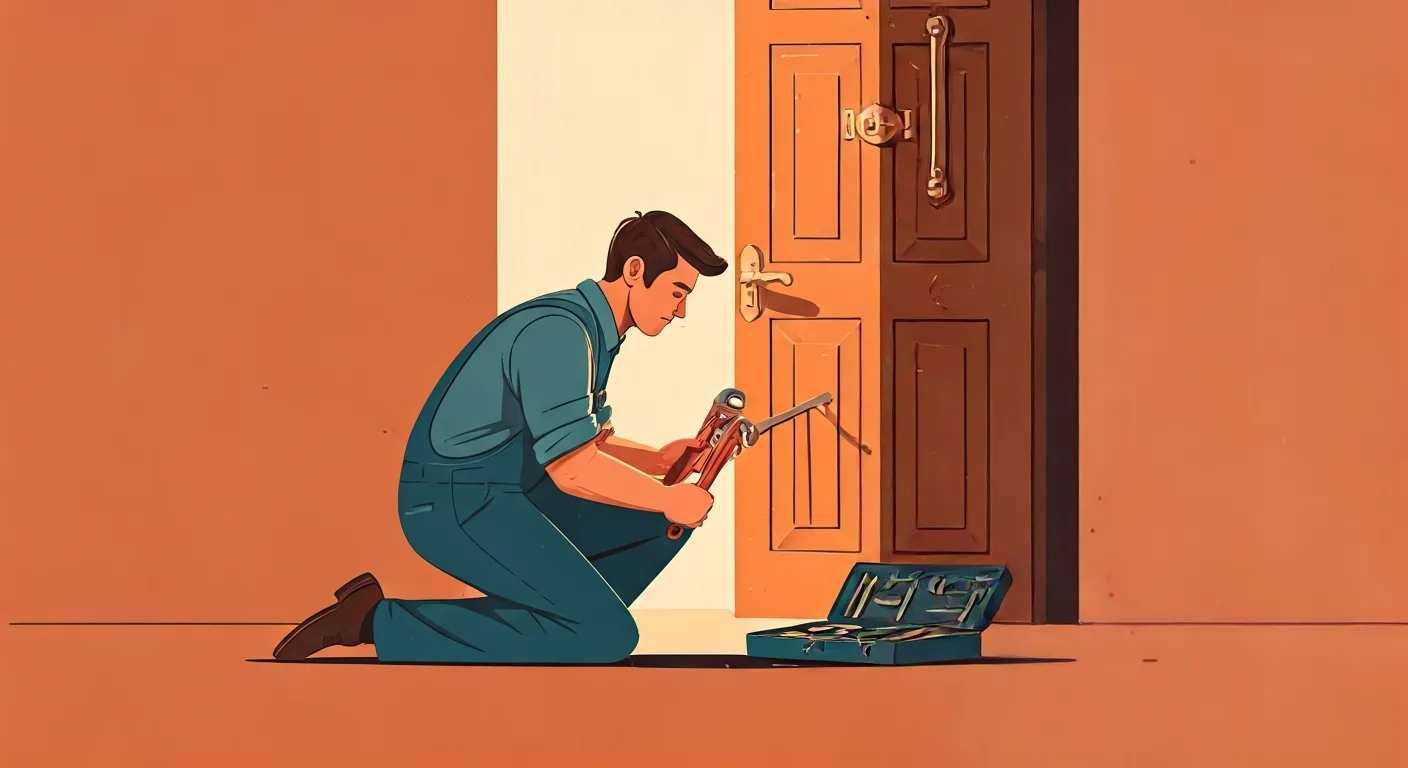
A locksmith is a skilled tradesperson responsible for the installation, repair, and maintenance of various types of locks and security systems. This includes traditional mechanical locks on doors, safes, and vehicles, as well as modern electronic access control systems. Key duties involve cutting and duplicating keys, re-keying cylinders, and providing emergency services for lockouts and security breaches for residential, commercial, and automotive clients.
Ensures the security and safety of residential, commercial, and automotive properties by installing, repairing, and maintaining robust locking and access control systems, providing peace of mind and preventing unauthorized access.
On the job
- Install, repair, and replace mechanical and electronic locks and security hardware.
- Cut and duplicate keys for various lock types, and re-key or master key existing lock systems.
- Diagnose and resolve issues with malfunctioning locks, safes, and access control systems.
- Respond to emergency lockout calls for homes, businesses, and vehicles.
- Provide advice and recommendations on security upgrades and suitable locking solutions to clients.
Tools & technology
Average salary
Job outlook
StableDemand is steady. This is an established role with consistent hiring across sectors.
Education & training
Vocational training, apprenticeship, or a certificate in locksmithing or security technology.
AI impact outlook
Note — this is our current view. AI is moving fast, so we revisit these ratings.
Show how this was assessed Hide the detail
Note — this is our current view. AI is moving fast, so we revisit these ratings.
Show how this was assessed Hide the detailWhy this role received this rating
Core task exposure
moderate
How much of the role’s important work could AI perform?
AI can streamline key duplication, database lookups for lock specifications, and some electronic system diagnostics.
End-to-end automation
low
Can AI complete the work without substantial human involvement?
Physical manipulation of diverse lock mechanisms in unpredictable environments, combined with emergency response, severely limits end-to-end automation.
Adoption pressure
low
How likely are employers to introduce AI into this work?
While in-shop tasks like key cutting are ripe for automation, the cost and complexity of automating mobile, on-site, and emergency services keep overall adoption pressure moderate.
Human dependence
strong
How much does success depend on human judgement, relationships and accountability?
Success heavily relies on human judgment for complex diagnostics, physical dexterity in varied settings, client trust, and providing tailored security advice.
Protective — a higher rating lowers the overall score.
Role adaptability
strong
How easily can the role evolve as AI takes on more tasks?
The role can readily adapt by integrating new electronic security systems, smart home technologies, and advanced diagnostic tools.
Shown for context — not part of the score.
What AI may take on
These are the parts of the role most likely to be automated or significantly accelerated.
- Cut and duplicate standard keys based on digital input
- Perform initial diagnostics on electronic lock systems using sensor data
- Automate re-keying processes for common lock types
- Generate price quotes and manage inventory based on material and labor costs
- Provide step-by-step guidance for basic lock repairs
Where people remain essential
These parts continue to depend heavily on human judgement, relationships and accountability.
- Responding to emergency lockouts in diverse and unpredictable physical locations
- Diagnosing unique or complex mechanical lock malfunctions on-site
- Installing and repairing advanced electronic access control systems
- Providing expert security advice and tailored solutions to clients
- Manually manipulating intricate lock components with specialized tools
- Maintaining client trust and ensuring accountability for security integrity
How the role may evolve
From mechanical key cutting to integrated security solutions.
The role will shift from primarily mechanical tasks to becoming a specialist in complex, integrated security systems, emphasizing diagnostics, installation, and client advisory services.
Strengthen your future fit
- Mastering advanced electronic security system integration
- Developing expert diagnostic and troubleshooting skills for complex failures
- Enhancing client communication and security consulting abilities
- Proficiency with network protocols and smart home security platforms
- Specializing in custom fabrication and installation of high-security systems
- Assessment horizon
- 3–7 years
- Confidence
- High
- Last reviewed
- August 2026
- Methodology
- v1.0
This assessment reflects current AI capabilities and expected adoption patterns. Actual impacts will vary by industry, employer and the way each role is performed.
Career pathways
WHERE YOU COULD GO
CURRENT ROLE
Locksmith
Skilled Trades
ADJACENT MOVES
STARTING POINTS
Who thrives here
Interest profile
realistic · RCI
People who enjoy practical, hands-on work that involves systematic problem-solving and technical precision tend to thrive as locksmiths. The role requires diagnostic thinking to understand complex mechanisms and a methodical approach to installation and repair.
Personality characteristics
Precise
Exhibits a high degree of conscientiousness and attention to detail, crucial for working with intricate lock mechanisms and security systems.
Calm under pressure
Remains composed and effective when responding to emergency lockouts or complex security failures, without becoming easily flustered.
Resourceful
Applies investigative thinking to diagnose problems and find practical solutions for various lock and security challenges.
Customer-focused
Approaches clients with helpfulness and a cooperative attitude, especially during stressful situations like lockouts, fostering trust and satisfaction.
Adaptable
Open to learning new security technologies and adapting techniques for different types of locks and access control systems.
Best for
- Individuals who enjoy working independently and managing their own schedule, often in the field.
- Those who are detail-oriented and find satisfaction in solving complex mechanical and technical puzzles.
- People who thrive on providing essential services and helping others in urgent situations.
Watch out for
- The need to respond to emergency calls, which can lead to irregular hours and weekend work.
- Requires continuous learning to keep up with evolving security technologies and lock systems.
- The work can be physically demanding, involving bending, lifting, and working in various environments.
A week in the life
A representative working week for a Locksmith — where the deep work, meetings, and admin actually land.
Real people. Real results.
Thousands of people
can't be wrong.



Frequently asked questions about Locksmith roles
What does a Locksmith do?
A Locksmith a locksmith is a skilled tradesperson responsible for the installation, repair, and maintenance of various types of locks and security systems. This includes traditional mechanical locks on doors, safes, and vehicles, as well as modern electronic access control systems. Key duties involve cutting and duplicating keys, re-keying cylinders, and providing emergency services for lockouts and security breaches for residential, commercial, and automotive clients. Ensures the security and safety of residential, commercial, and automotive properties by installing, repairing, and maintaining robust locking and access control systems, providing peace of mind and preventing unauthorized access.
How much does a Locksmith earn?
A Locksmith earns a median of $55,000 per year in the US, typically ranging from $35,000 to $80,000.
What qualifications do you need to become a Locksmith?
To become a Locksmith, vocational training, apprenticeship, or a certificate in locksmithing or security technology. State-specific licensing and/or registration may be required depending on location.
What personality suits a Locksmith?
Locksmith roles tend to suit people who are highly conscientious — precise, organised and strong on follow-through (Conscientiousness 78/100) and steady under pressure — deadlines and setbacks do not rattle them easily (Emotional Stability 72/100). The traits that matter most in the role are Precise, Calm under pressure, Resourceful and Customer-focused. Exhibits a high degree of conscientiousness and attention to detail, crucial for working with intricate lock mechanisms and security systems. On interests, Locksmith maps to a RCI Holland Code profile — people who enjoy practical, hands-on work that involves systematic problem-solving and technical precision tend to thrive as locksmiths. The role requires diagnostic thinking to understand complex mechanisms and a methodical approach to installation and repair.
Who does a Locksmith role suit?
A Locksmith role is usually a strong fit for these reasons. High Realistic (R) affinity for hands-on, practical work with tools and mechanisms. Strong Conventional (C) and Investigative (I) traits, aligning with systematic problem-solving and diagnostic tasks. The role often involves direct interaction with clients, providing a sense of helping and immediate impact.
What are the downsides of being a Locksmith?
Locksmith roles come with trade-offs worth weighing up. The need to respond to emergency calls, which can lead to irregular hours and weekend work. Requires continuous learning to keep up with evolving security technologies and lock systems. The work can be physically demanding, involving bending, lifting, and working in various environments.
What is the work environment like for a Locksmith?
Work as a Locksmith is mostly field-based with onsite arrangements common, semi-structured — a mix of set processes and self-directed work, a moderate pace and high exposure to clients or stakeholders. Around 13% of the week is focused deep work.
What skills do you need to be a Locksmith?
Core skills for a Locksmith include Lock installation and repair, Key cutting and duplication, Electronic access control systems, Problem-solving and diagnostics and Customer service and communication.
How do you become a Locksmith?
Common entry routes into Locksmith roles include Locksmith Apprentice, General Maintenance Worker and Security Installer.
What career progression is there for a Locksmith?
From a Locksmith role, common next steps include Master Locksmith and Small Business Owner (Locksmith); lateral moves include Security Systems Integrator.
What is the job outlook for Locksmith roles?
The outlook for Locksmith roles is currently rated stable. Demand is steady. This is an established role with consistent hiring across sectors.
Will AI replace Locksmith roles?
Traitstack rates automation risk for Locksmith roles at 32 out of 100, which is low. AI can streamline key cutting and some electronic diagnostics, allowing locksmiths to focus on complex security system installations, emergency services, and client consultation. AI is most likely to take on cut and duplicate standard keys based on digital input, perform initial diagnostics on electronic lock systems using sensor data and automate re-keying processes for common lock types. Responding to emergency lockouts in diverse and unpredictable physical locations, diagnosing unique or complex mechanical lock malfunctions on-site and installing and repairing advanced electronic access control systems stay with people. From mechanical key cutting to integrated security solutions. That score measures how much of the work could change, not the likelihood the job disappears. It is Traitstack's current view, revisited as AI capability moves.