Goat Farmer
SOC 11-9013.00 · ESCO 1311 · OSCA 152932
Role snapshot
Overview
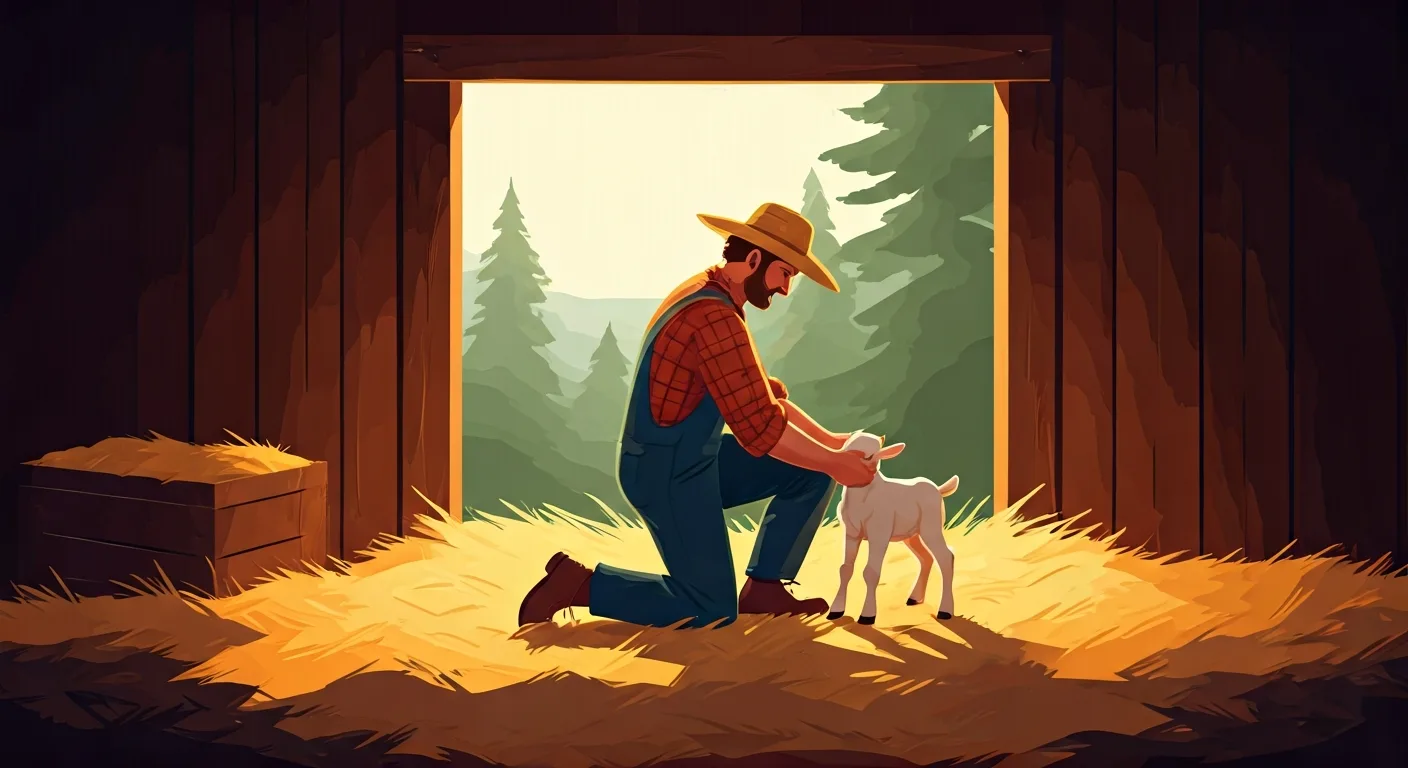
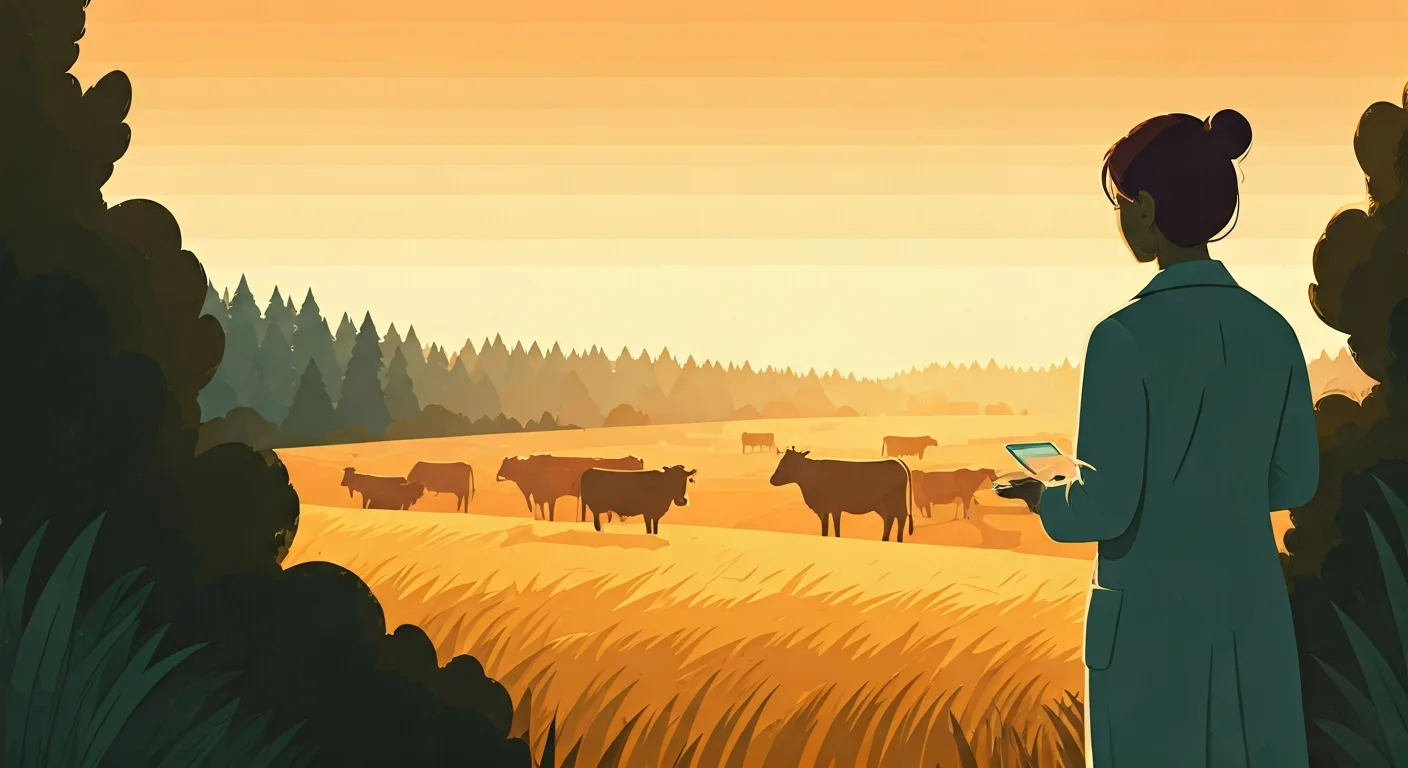
Breeds and raises goats for milk, fibre, or meat, handling daily feeding, health checks, and kidding. Manages pasture conditions, maintains fencing suitable for agile animals, and may process products like cheese or mohair on-site. This role involves comprehensive animal care, land management, and often direct sales or processing of goat products.
Contributes to local food systems and sustainable agriculture, providing essential animal products like milk, cheese, meat, and fibre. Supports biodiversity and responsible land stewardship.
On the job
- Conduct daily feeding and watering of goat herds, ensuring nutritional needs are met.
- Monitor goat health, administer basic veterinary care, and assist with birthing (kidding).
- Manage pasture rotation and land use to ensure sustainable grazing and soil health.
- Maintain and repair fencing, shelters, and other farm infrastructure to keep animals secure.
- Process goat products such as milking, cheesemaking, or preparing fibre for market.
Tools & technology
Average salary
Job outlook
StableDemand is steady. This is an established role with consistent hiring across sectors.
Education & training
Practical experience or vocational training in animal husbandry, agriculture, or farm management is often beneficial. Many learn through hands-on experience.
AI impact outlook
Note — this is our current view. AI is moving fast, so we revisit these ratings.
Show how this was assessed Hide the detail
Note — this is our current view. AI is moving fast, so we revisit these ratings.
Show how this was assessed Hide the detailWhy this role received this rating
Core task exposure
low
How much of the role’s important work could AI perform?
Routine animal health monitoring and feeding schedules are exposed, but hands-on animal care and infrastructure maintenance are not.
End-to-end automation
low
Can AI complete the work without substantial human involvement?
The highly variable and physical nature of animal husbandry, including birthing, health intervention, and complex farm maintenance, prevents end-to-end automation.
Adoption pressure
moderate
How likely are employers to introduce AI into this work?
Moderate pressure for AI in animal monitoring and feed optimization, driven by animal welfare and efficiency, but low for displacing core animal care.
Human dependence
strong
How much does success depend on human judgement, relationships and accountability?
Success critically depends on intuitive understanding of animal health, hands-on care, physical labor for farm maintenance, and adaptability to unforeseen animal needs.
Protective — a higher rating lowers the overall score.
Role adaptability
moderate
How easily can the role evolve as AI takes on more tasks?
The role can adapt by integrating smart farm technologies and focusing on specialized breeding, product processing, or direct-to-consumer sales.
Shown for context — not part of the score.
What AI may take on
These are the parts of the role most likely to be automated or significantly accelerated.
- Monitoring goat health parameters (e.g., temperature, activity) via sensors and flagging anomalies
- Optimizing feeding and watering schedules based on individual animal needs and pasture conditions
- Analyzing pasture health and rotation effectiveness through drone imagery
- Automating basic record-keeping for breeding cycles and milk production
- Predicting optimal kidding times based on physiological data
Where people remain essential
These parts continue to depend heavily on human judgement, relationships and accountability.
- Conducting daily hands-on health checks and administering veterinary care
- Assisting with birthing (kidding) and providing immediate post-natal care
- Maintaining and repairing fencing, shelters, and other farm infrastructure
- Performing milking, cheesemaking, or preparing fiber for market
- Making critical, intuitive judgments about individual animal welfare and behavior
- Adapting pasture management to local environmental changes and herd needs
How the role may evolve
Smarter farm management, richer human-animal interaction.
Goat farmers will increasingly leverage smart technologies for routine monitoring and optimization, allowing them to deepen their focus on personalized animal care, breeding quality, and value-added product development.
Strengthen your future fit
- Proficiency in smart farming technologies and animal health monitoring systems
- Deepening expertise in animal husbandry, veterinary care, and genetics
- Developing skills in sustainable land management and pasture rotation
- Enhancing practical skills in farm infrastructure maintenance and repair
- Cultivating business acumen for product processing, marketing, and sales
- Assessment horizon
- 3–7 years
- Confidence
- High
- Last reviewed
- August 2026
- Methodology
- v1.0
This assessment reflects current AI capabilities and expected adoption patterns. Actual impacts will vary by industry, employer and the way each role is performed.
Career pathways
WHERE YOU COULD GO
CURRENT ROLE
Goat Farmer
Agriculture & Food
ADJACENT MOVES
STARTING POINTS
Who thrives here
Interest profile
realistic · RCE
Individuals who enjoy practical, hands-on work, managing routines, and making independent business decisions tend to thrive in this role.
Personality characteristics
Practical
Enjoys hands-on work, physical tasks, and tangible results with animals and land, preferring concrete solutions over abstract theories.
Organised
Thrives on establishing routines, meticulous record-keeping, and systematic farm management to ensure efficiency and animal well-being.
Independent
Comfortable making decisions autonomously and managing a self-directed enterprise, often working alone or with a small team.
Caring
Shows empathy and dedication to animal welfare and responsible stewardship of the land, prioritizing the health and comfort of the herd.
Resilient
Copes well with unpredictable weather, animal health issues, and market fluctuations without excessive stress, maintaining a calm approach to challenges.
Best for
- Individuals who enjoy a physically active, outdoor lifestyle.
- People who find satisfaction in nurturing living things and producing tangible goods.
- Those who are self-reliant and capable of managing a diverse set of responsibilities.
- Anyone looking for a career that combines animal care, land management, and entrepreneurial spirit.
Watch out for
- The work can be physically demanding and requires consistent effort regardless of weather conditions.
- Animal care demands attention 7 days a week, including weekends and holidays.
- Income can be variable due to market prices, weather, and animal health challenges.
A week in the life
A representative working week for a Goat Farmer — where the deep work, meetings, and admin actually land.
Real people. Real results.
Thousands of people
can't be wrong.
Frequently asked questions about Goat Farmer roles
What does a Goat Farmer do?
A Goat Farmer breeds and raises goats for milk, fibre, or meat, handling daily feeding, health checks, and kidding. Manages pasture conditions, maintains fencing suitable for agile animals, and may process products like cheese or mohair on-site. This role involves comprehensive animal care, land management, and often direct sales or processing of goat products. Contributes to local food systems and sustainable agriculture, providing essential animal products like milk, cheese, meat, and fibre. Supports biodiversity and responsible land stewardship.
How much does a Goat Farmer earn?
A Goat Farmer earns a median of $55,000 per year in the US, typically ranging from $30,000 to $80,000.
What qualifications do you need to become a Goat Farmer?
To become a Goat Farmer, practical experience or vocational training in animal husbandry, agriculture, or farm management is often beneficial. Many learn through hands-on experience.
What personality suits a Goat Farmer?
Goat Farmer roles tend to suit people who are highly conscientious — precise, organised and strong on follow-through (Conscientiousness 75/100) and steady under pressure — deadlines and setbacks do not rattle them easily (Emotional Stability 70/100). The traits that matter most in the role are Practical, Organised, Independent and Caring. Enjoys hands-on work, physical tasks, and tangible results with animals and land, preferring concrete solutions over abstract theories. On interests, Goat Farmer maps to a RCE Holland Code profile — individuals who enjoy practical, hands-on work, managing routines, and making independent business decisions tend to thrive in this role.
Who does a Goat Farmer role suit?
A Goat Farmer role is usually a strong fit for these reasons. Strong Realistic and Conventional alignment: the role requires consistent hands-on work, routine management, and practical problem-solving. High Conscientiousness is well-suited for the meticulous planning and daily care required for animal husbandry. The independent nature of farming aligns with individuals who prefer autonomy and self-directed work.
What are the downsides of being a Goat Farmer?
Goat Farmer roles come with trade-offs worth weighing up. The work can be physically demanding and requires consistent effort regardless of weather conditions. Animal care demands attention 7 days a week, including weekends and holidays. Income can be variable due to market prices, weather, and animal health challenges.
What is the work environment like for a Goat Farmer?
Work as a Goat Farmer is mostly outdoors-based with onsite arrangements common, semi-structured — a mix of set processes and self-directed work, a moderate pace and medium exposure to clients or stakeholders.
What skills do you need to be a Goat Farmer?
Core skills for a Goat Farmer include Animal husbandry, Pasture management, Basic veterinary care, Farm equipment operation and Product processing (e.g., cheesemaking).
How do you become a Goat Farmer?
Common entry routes into Goat Farmer roles include Farm Hand, Dairy Worker and Ranch Hand.
What career progression is there for a Goat Farmer?
From a Goat Farmer role, common next steps include Large-Scale Livestock Manager and Agricultural Consultant; lateral moves include Artisan Cheesemaker and Fibre Producer.
What is the job outlook for Goat Farmer roles?
The outlook for Goat Farmer roles is currently rated stable. Demand is steady. This is an established role with consistent hiring across sectors.
Will AI replace Goat Farmer roles?
Traitstack rates automation risk for Goat Farmer roles at 28 out of 100, which is low. Automated monitoring and feeding systems can improve efficiency, yet hands-on animal care, intuitive health assessment, and physical farm maintenance are fundamentally human. AI is most likely to take on monitoring goat health parameters (e.g., temperature, activity) via sensors and flagging anomalies, optimizing feeding and watering schedules based on individual animal needs and pasture conditions and analyzing pasture health and rotation effectiveness through drone imagery. Conducting daily hands-on health checks and administering veterinary care, assisting with birthing (kidding) and providing immediate post-natal care and maintaining and repairing fencing, shelters, and other farm infrastructure stay with people. Smarter farm management, richer human-animal interaction. That score measures how much of the work could change, not the likelihood the job disappears. It is Traitstack's current view, revisited as AI capability moves.