Gasfitter
SOC 47-2152.00 · ESCO 7126 · OSCA 363231
Role snapshot
Overview
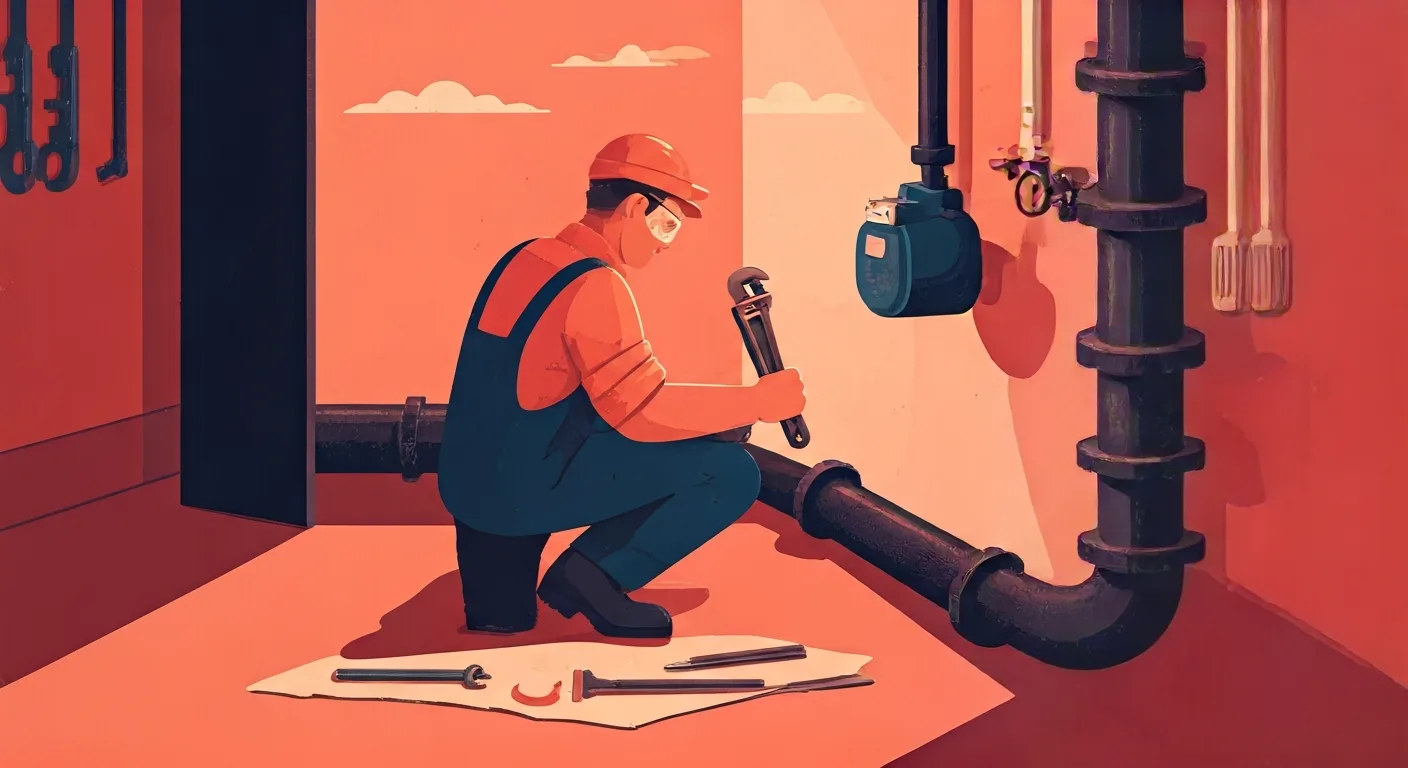
Installs, tests, and maintains gas pipelines and appliances such as heaters and cooktops, checking for leaks and ensuring all connections meet strict safety regulations. This role involves precise technical work, adherence to stringent safety standards, and diagnostic problem-solving to ensure the safe and efficient operation of gas systems in residential, commercial, and industrial settings.
Ensures the safe and reliable operation of gas infrastructure and appliances, protecting lives and property, and providing essential heating and cooking services to communities.
On the job
- Install gas pipes, fittings, and appliances according to blueprints and specifications.
- Test gas lines and connections for leaks using pressure gauges and specialized detection equipment.
- Perform routine maintenance, inspections, and servicing of gas systems and appliances.
- Diagnose and repair malfunctions in gas lines, regulators, meters, and various gas-fired appliances.
- Ensure all installations and repairs comply with local codes, national regulations, and strict safety standards.
Tools & technology
Average salary
Job outlook
StableDemand is steady. This is an established role with consistent hiring across sectors.
Education & training
Completion of a certified gasfitting apprenticeship program or vocational training with relevant certifications and licenses is typically required.
AI impact outlook
Note — this is our current view. AI is moving fast, so we revisit these ratings.
Show how this was assessed Hide the detail
Note — this is our current view. AI is moving fast, so we revisit these ratings.
Show how this was assessed Hide the detailWhy this role received this rating
Core task exposure
low
How much of the role’s important work could AI perform?
While code checking and some diagnostics could be AI-assisted, the physical installation, testing, and repair of gas systems in varied environments are highly manual.
End-to-end automation
low
Can AI complete the work without substantial human involvement?
The extreme safety risks, regulatory requirements, and need for precise physical work in unpredictable settings make full automation highly improbable.
Adoption pressure
low
How likely are employers to introduce AI into this work?
High liability, strict regulations, and the critical safety implications of gas systems severely limit employer risk appetite for automation.
Human dependence
strong
How much does success depend on human judgement, relationships and accountability?
Success is overwhelmingly dependent on human precision, adherence to safety protocols, and accountability for potentially hazardous installations and repairs.
Protective — a higher rating lowers the overall score.
Role adaptability
moderate
How easily can the role evolve as AI takes on more tasks?
The role can adapt by specializing in commercial/industrial gas systems, energy efficiency consulting, or regulatory compliance and inspection.
Shown for context — not part of the score.
What AI may take on
These are the parts of the role most likely to be automated or significantly accelerated.
- Cross-referencing installation plans with local building and safety codes
- Predictive maintenance scheduling based on appliance usage and age data
- Automated documentation of service calls and regulatory compliance reports
- Digital mapping of gas lines and appliance locations for asset management
Where people remain essential
These parts continue to depend heavily on human judgement, relationships and accountability.
- Physical installation of gas pipes and appliances according to specifications
- Precision testing of gas lines and connections for leaks using specialized equipment
- Diagnosing and repairing complex malfunctions in gas systems and appliances
- Adhering to strict safety standards during all phases of work, especially with live gas
- Obtaining and maintaining required certifications and licenses
- Interacting with clients and other trades on site
How the role may evolve
Deepening safety expertise, augmented by AI-driven compliance checks.
Gasfitters will increasingly leverage AI for regulatory verification and predictive analysis, allowing them to focus more intensely on complex diagnostics, physical precision, and critical safety execution.
Strengthen your future fit
- Mastering advanced diagnostic tools and digital blueprint interpretation
- Staying current with evolving gas technologies and safety regulations
- Developing expertise in smart gas systems and integrated home energy solutions
- Enhancing problem-solving skills for novel and complex malfunctions
- Obtaining certifications for new types of gas appliances or industrial systems
- Assessment horizon
- 3–7 years
- Confidence
- High
- Last reviewed
- August 2026
- Methodology
- v1.0
This assessment reflects current AI capabilities and expected adoption patterns. Actual impacts will vary by industry, employer and the way each role is performed.
Career pathways
WHERE YOU COULD GO
CURRENT ROLE
Gasfitter
Skilled Trades
ADJACENT MOVES
STARTING POINTS
Who thrives here
Interest profile
realistic · RCI
Individuals who enjoy hands-on practical work, solving concrete technical problems, and adhering to strict procedures and safety standards will find this role fulfilling.
Personality characteristics
Meticulous
Approaches tasks with precision and a strong focus on detail, especially regarding safety and compliance with regulations.
Practical
Prefers working with tangible equipment and solving real-world, hands-on problems that yield concrete results.
Calm under pressure
Maintains composure and follows protocols even in urgent or hazardous situations like gas leaks or system failures.
Systematic
Follows established procedures and regulations rigorously to ensure consistent, safe, and compliant outcomes in every job.
Reliable
Consistently delivers high-quality work and adheres to schedules, which is crucial for client trust and public safety.
Best for
- Individuals who enjoy technical, hands-on work with a strong emphasis on safety and precision.
- Those who thrive on diagnosing and solving practical problems in critical infrastructure systems.
- People who prefer a structured work environment with clear regulations and procedures to follow.
Watch out for
- Requires working outdoors in various weather conditions and potentially in confined or hazardous spaces.
- Involves being on-call for emergencies, which can lead to irregular hours and demanding situations.
- High responsibility for safety and compliance means strict adherence to procedures must always be maintained.
A week in the life
A representative working week for a Gasfitter — where the deep work, meetings, and admin actually land.
Real people. Real results.
Thousands of people
can't be wrong.





Frequently asked questions about Gasfitter roles
What does a Gasfitter do?
A Gasfitter installs, tests, and maintains gas pipelines and appliances such as heaters and cooktops, checking for leaks and ensuring all connections meet strict safety regulations. This role involves precise technical work, adherence to stringent safety standards, and diagnostic problem-solving to ensure the safe and efficient operation of gas systems in residential, commercial, and industrial settings. Ensures the safe and reliable operation of gas infrastructure and appliances, protecting lives and property, and providing essential heating and cooking services to communities.
How much does a Gasfitter earn?
A Gasfitter earns a median of $65,000 per year in the US, typically ranging from $45,000 to $85,000.
What qualifications do you need to become a Gasfitter?
To become a Gasfitter, completion of a certified gasfitting apprenticeship program or vocational training with relevant certifications and licenses is typically required. State/Provincial Gasfitter License.
What personality suits a Gasfitter?
Gasfitter roles tend to suit people who are highly conscientious — precise, organised and strong on follow-through (Conscientiousness 85/100) and steady under pressure — deadlines and setbacks do not rattle them easily (Emotional Stability 75/100). The traits that matter most in the role are Meticulous, Practical, Calm under pressure and Systematic. Approaches tasks with precision and a strong focus on detail, especially regarding safety and compliance with regulations. On interests, Gasfitter maps to a RCI Holland Code profile — individuals who enjoy hands-on practical work, solving concrete technical problems, and adhering to strict procedures and safety standards will find this role fulfilling.
Who does a Gasfitter role suit?
A Gasfitter role is usually a strong fit for these reasons. Strong Realistic (R) and Conventional (C) alignment: the role demands practical skills, methodical problem-solving, and strict adherence to safety protocols. A significant portion of the week is dedicated to hands-on installation, maintenance, and repair tasks. The work offers clear, tangible results and direct contributions to public safety and comfort.
What are the downsides of being a Gasfitter?
Gasfitter roles come with trade-offs worth weighing up. Requires working outdoors in various weather conditions and potentially in confined or hazardous spaces. Involves being on-call for emergencies, which can lead to irregular hours and demanding situations. High responsibility for safety and compliance means strict adherence to procedures must always be maintained.
What is the work environment like for a Gasfitter?
Work as a Gasfitter is mostly field-based with onsite arrangements common, semi-structured — a mix of set processes and self-directed work, a moderate pace and medium exposure to clients or stakeholders. Around 63% of the week is focused deep work.
What skills do you need to be a Gasfitter?
Core skills for a Gasfitter include Gas pipe installation and repair, Appliance connection and commissioning, Leak detection and safety protocols, Diagnostic and troubleshooting skills, Regulatory compliance and code adherence and Blueprint reading.
How do you become a Gasfitter?
Common entry routes into Gasfitter roles include Gasfitting Apprentice, Plumbing Apprentice and Construction Laborer.
What career progression is there for a Gasfitter?
From a Gasfitter role, common next steps include Senior Gasfitter, Gasfitting Supervisor and Master Gasfitter; lateral moves include Plumber and HVAC Technician.
What is the job outlook for Gasfitter roles?
The outlook for Gasfitter roles is currently rated stable. Demand is steady. This is an established role with consistent hiring across sectors.
Will AI replace Gasfitter roles?
Traitstack rates automation risk for Gasfitter roles at 14 out of 100, which is low. The critical human oversight of safety and precise physical installation cannot be replaced, even as AI assists with regulatory checks. AI is most likely to take on cross-referencing installation plans with local building and safety codes, predictive maintenance scheduling based on appliance usage and age data and automated documentation of service calls and regulatory compliance reports. Physical installation of gas pipes and appliances according to specifications, precision testing of gas lines and connections for leaks using specialized equipment and diagnosing and repairing complex malfunctions in gas systems and appliances stay with people. Deepening safety expertise, augmented by AI-driven compliance checks. That score measures how much of the work could change, not the likelihood the job disappears. It is Traitstack's current view, revisited as AI capability moves.