Funeral Director
SOC 11-9171.00 · ESCO 5163 · OSCA 461332
Role snapshot
Overview
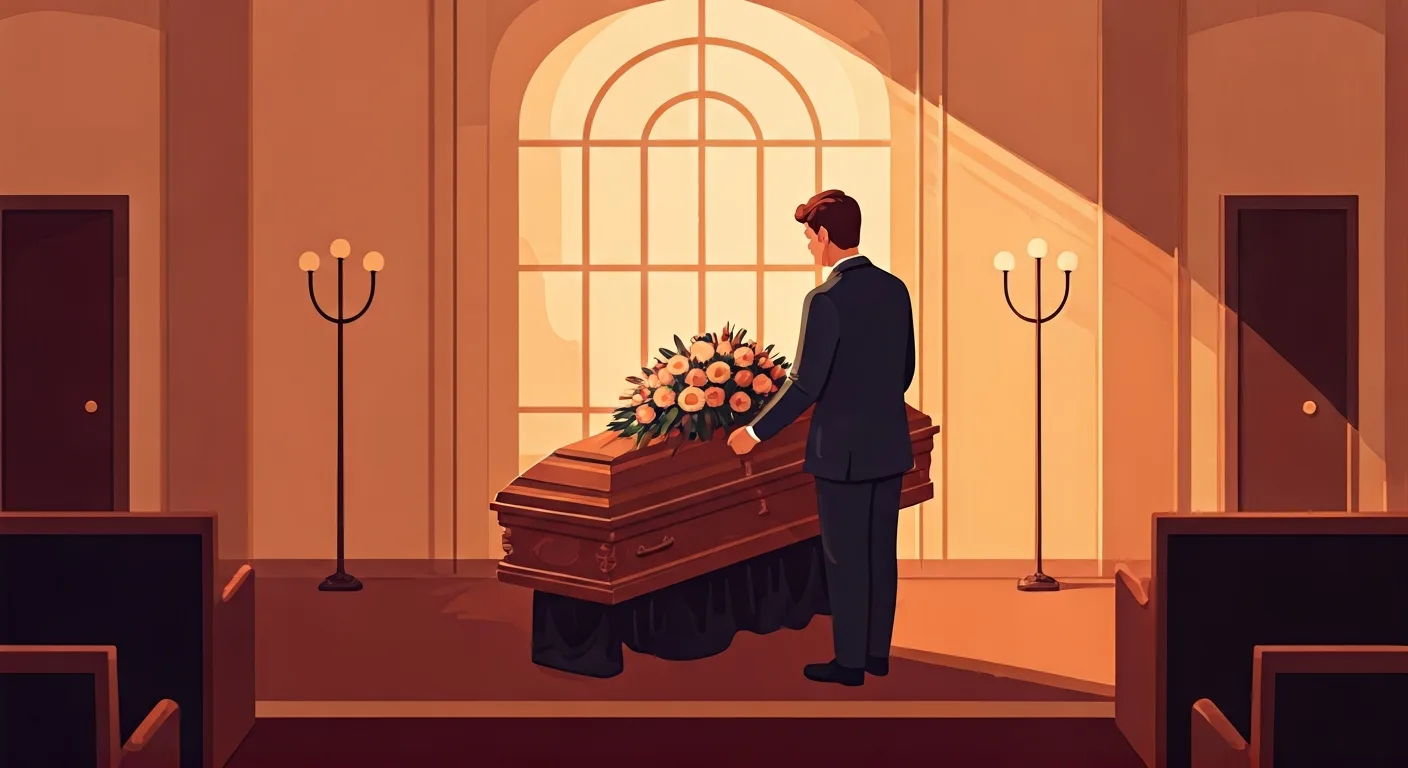
Coordinates all aspects of funeral services including body preparation, venue arrangements, legal paperwork, and family consultations to ensure dignified farewells. This role requires significant empathy, meticulous attention to detail, and strong organizational skills to manage the sensitive and complex process of honoring the deceased and supporting grieving families.
Provides essential support and guidance to individuals and families during times of loss, ensuring that their loved ones receive respectful and dignified final arrangements. Helps facilitate the grieving process by managing logistical burdens.
On the job
- Consult with grieving families to plan and coordinate all details of funeral services, burials, or cremations
- Prepare and embalm deceased individuals according to professional standards and family wishes
- Manage and complete all necessary legal documentation, permits, and death certificates
- Coordinate with clergy, florists, cemeteries, crematories, and other vendors
- Oversee viewings, funeral ceremonies, and committal services, ensuring smooth execution
Tools & technology
Average salary
Job outlook
StableDemand is steady. This is an established role with consistent hiring across sectors.
Education & training
Associate's degree or diploma in mortuary science or funeral service is typically required, alongside state-specific licensing.
AI impact outlook
Note — this is our current view. AI is moving fast, so we revisit these ratings.
Show how this was assessed Hide the detail
Note — this is our current view. AI is moving fast, so we revisit these ratings.
Show how this was assessed Hide the detailWhy this role received this rating
Core task exposure
moderate
How much of the role’s important work could AI perform?
Tasks like legal documentation, vendor coordination, and scheduling can be automated, but embalming and empathetic family consultations are not.
End-to-end automation
low
Can AI complete the work without substantial human involvement?
Full automation is highly unlikely due to intense human interaction, physical preparation tasks, and significant legal accountability.
Adoption pressure
moderate
How likely are employers to introduce AI into this work?
Moderate, as while efficiency is valued, the highly sensitive nature of the service and need for human empathy will temper rapid AI adoption for client-facing tasks.
Human dependence
strong
How much does success depend on human judgement, relationships and accountability?
Empathy, emotional support, managing complex family dynamics during grief, and hands-on body preparation are all critically human.
Protective — a higher rating lowers the overall score.
Role adaptability
moderate
How easily can the role evolve as AI takes on more tasks?
The role can adapt by integrating new technologies for memorialization, specializing in diverse cultural practices, or enhancing grief support services.
Shown for context — not part of the score.
What AI may take on
These are the parts of the role most likely to be automated or significantly accelerated.
- Manage legal documentation and permits
- Coordinate vendor schedules (florists, cemeteries)
- Draft initial service outlines and options
- Process billing and financial transactions
- Automate inventory management
Where people remain essential
These parts continue to depend heavily on human judgement, relationships and accountability.
- Providing empathetic and sensitive family consultation
- Performing embalming and restorative art
- Overseeing dignified funeral ceremonies
- Navigating complex family dynamics during grief
- Offering emotional support and guidance
- Ensuring cultural and religious sensitivity
- Handling last-minute changes with grace
How the role may evolve
Less paperwork, more profound personal support.
The role will shift, leveraging AI for back-office efficiency, allowing directors to dedicate more time to the personalized, compassionate care and support grieving families require.
Strengthen your future fit
- Enhance grief counseling and communication
- Specialize in diverse cultural funeral practices
- Master advanced restorative art techniques
- Develop strong crisis management skills
- Cultivate deep emotional intelligence
- Assessment horizon
- 3–7 years
- Confidence
- Medium
- Last reviewed
- August 2026
- Methodology
- v1.0
This assessment reflects current AI capabilities and expected adoption patterns. Actual impacts will vary by industry, employer and the way each role is performed.
Career pathways
WHERE YOU COULD GO
CURRENT ROLE
Funeral Director
Personal & Professional Services
ADJACENT MOVES
STARTING POINTS
Who thrives here
Interest profile
enterprising · ECS
People who enjoy organizing events, leading services, and providing compassionate support to others during difficult times tend to thrive in this role. It combines a strong social element with the need for structured planning and attention to detail.
Personality characteristics
Empathetic
Deeply understands and responds to the emotional needs of grieving families.
Organised
Meticulously plans and executes complex funeral arrangements, ensuring all details are handled.
Composed
Remains calm and professional under pressure, especially during emotionally charged situations.
Practical
Approaches tasks with a grounded, realistic mindset, focusing on solutions and tangible outcomes.
Supportive
Comfortable interacting with diverse groups of people and providing guidance and reassurance.
Best for
- Individuals who are compassionate, highly organized, and possess excellent interpersonal skills
- Those who find purpose in providing dignified services and comfort to others during difficult times
- Professionals who can manage complex logistics while maintaining emotional sensitivity
Watch out for
- The role can be emotionally demanding due to constant exposure to grief and loss
- Irregular hours and on-call duties are common, requiring flexibility and dedication
A week in the life
A representative working week for a Funeral Director — where the deep work, meetings, and admin actually land.
Real people. Real results.
Thousands of people
can't be wrong.




Frequently asked questions about Funeral Director roles
What does a Funeral Director do?
A Funeral Director coordinates all aspects of funeral services including body preparation, venue arrangements, legal paperwork, and family consultations to ensure dignified farewells. This role requires significant empathy, meticulous attention to detail, and strong organizational skills to manage the sensitive and complex process of honoring the deceased and supporting grieving families. Provides essential support and guidance to individuals and families during times of loss, ensuring that their loved ones receive respectful and dignified final arrangements. Helps facilitate the grieving process by managing logistical burdens.
How much does a Funeral Director earn?
A Funeral Director earns a median of $65,000 per year in the US, typically ranging from $45,000 to $90,000.
What qualifications do you need to become a Funeral Director?
To become a Funeral Director, associate's degree or diploma in mortuary science or funeral service is typically required, alongside state-specific licensing. State-specific Funeral Director and/or Embalmer license.
What personality suits a Funeral Director?
Funeral Director roles tend to suit people who are highly conscientious — precise, organised and strong on follow-through (Conscientiousness 78/100) and warm and cooperative — tuned in to the people around them (Agreeableness 75/100). The traits that matter most in the role are Empathetic, Organised, Composed and Practical. Deeply understands and responds to the emotional needs of grieving families. On interests, Funeral Director maps to an ECS Holland Code profile — people who enjoy organizing events, leading services, and providing compassionate support to others during difficult times tend to thrive in this role. It combines a strong social element with the need for structured planning and attention to detail.
Who does a Funeral Director role suit?
A Funeral Director role is usually a strong fit for these reasons. High Social and Enterprising affinity aligns with leading services and supporting families. Strong Conventional scores indicate a good fit for roles requiring meticulous organization and adherence to regulations. The work involves significant direct interaction and support for people in vulnerable situations.
What are the downsides of being a Funeral Director?
Funeral Director roles come with trade-offs worth weighing up. The role can be emotionally demanding due to constant exposure to grief and loss. Irregular hours and on-call duties are common, requiring flexibility and dedication.
What is the work environment like for a Funeral Director?
Work as a Funeral Director is mostly mixed-based with onsite arrangements common, semi-structured — a mix of set processes and self-directed work, a moderate pace and high exposure to clients or stakeholders.
What skills do you need to be a Funeral Director?
Core skills for a Funeral Director include Grief support and counseling, Funeral arrangement and coordination, Embalming and restorative art, Regulatory compliance and Interpersonal communication.
How do you become a Funeral Director?
Common entry routes into Funeral Director roles include Mortuary Science Apprentice, Funeral Service Intern and Embalmer Assistant.
What career progression is there for a Funeral Director?
From a Funeral Director role, common next steps include Senior Funeral Director and Funeral Home Manager; lateral moves include Grief Counselor.
What is the job outlook for Funeral Director roles?
The outlook for Funeral Director roles is currently rated stable. Demand is steady. This is an established role with consistent hiring across sectors.
Will AI replace Funeral Director roles?
Traitstack rates automation risk for Funeral Director roles at 42 out of 100, which is moderate. Administrative and logistical support tasks are likely to be automated by AI, allowing directors to prioritize empathetic family support, complex arrangements, and restorative arts. AI is most likely to take on manage legal documentation and permits, coordinate vendor schedules (florists, cemeteries) and draft initial service outlines and options. Providing empathetic and sensitive family consultation, performing embalming and restorative art and overseeing dignified funeral ceremonies stay with people. Less paperwork, more profound personal support. That score measures how much of the work could change, not the likelihood the job disappears. It is Traitstack's current view, revisited as AI capability moves.