Exercise and Sports Scientist
SOC 29-1128.00 · ESCO 2269 · OSCA 262232
Role snapshot
Overview
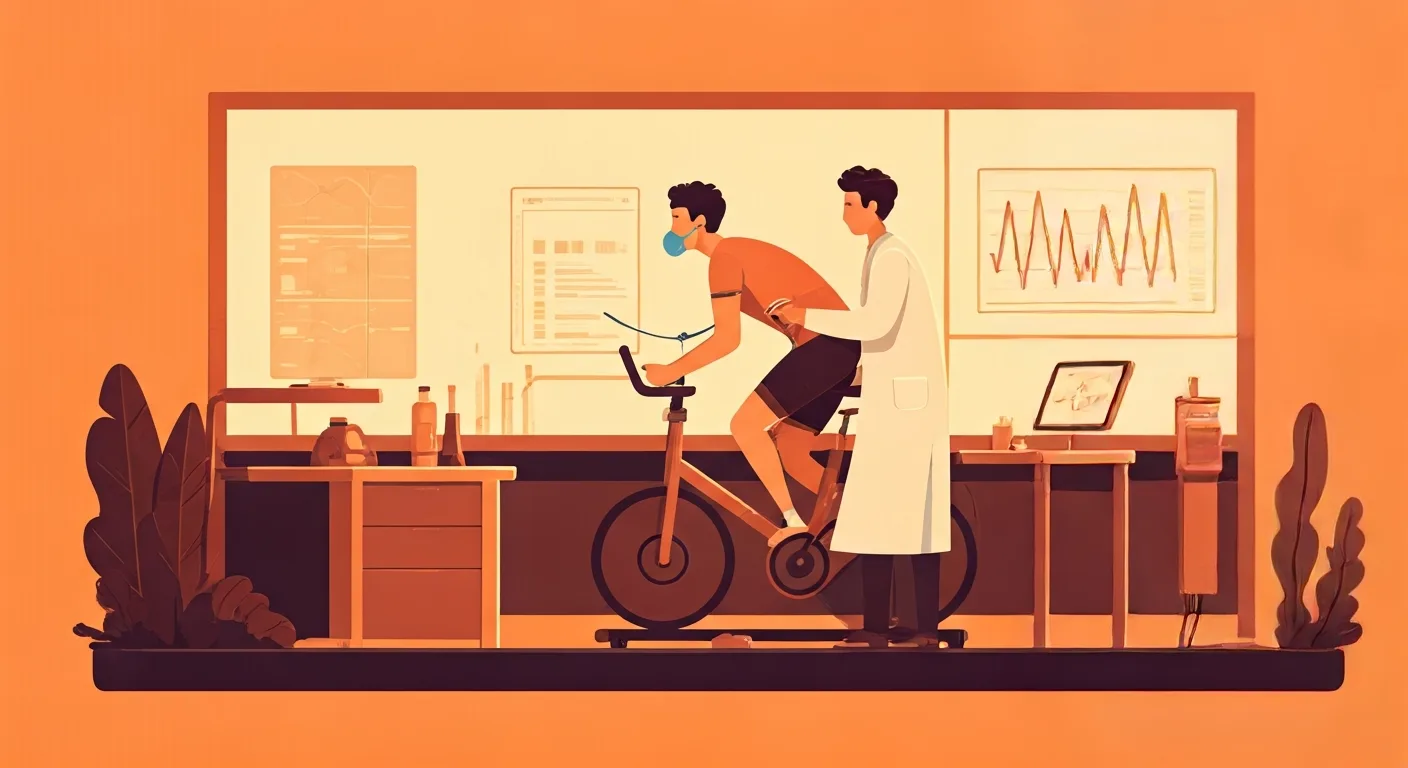
Tests and analyses human physical performance using laboratory and field-based methods. Designs evidence-based training and recovery programs for athletes or clinical populations, and tracks physiological data to optimise outcomes. This role combines scientific inquiry with practical application to enhance health, fitness, and athletic performance.
Contributes to the optimisation of human physical potential, injury prevention, and rehabilitation. Improves athletic performance, promotes public health through scientific exercise prescription, and advances the understanding of human physiology.
On the job
- Conduct physiological assessments (e.g., VO2 max, lactate threshold, body composition) in lab and field settings.
- Interpret data from performance tests to identify strengths, weaknesses, and areas for improvement in individuals or teams.
- Design and implement tailored exercise, training, and recovery protocols based on scientific evidence and individual needs.
- Monitor and analyse physiological markers (e.g., heart rate variability, sleep patterns, hormone levels) to track adaptation and prevent overtraining.
- Collaborate with coaches, medical staff, and other professionals to integrate scientific principles into overall athlete or patient management.
Tools & technology
Average salary
Job outlook
GrowingJob growth is expected to be above average over the next five years.
Education & training
A bachelor's or master's degree in exercise science, sports science, kinesiology, or a related field is typically required. Advanced roles often benefit from a PhD.
AI impact outlook
Note — this is our current view. AI is moving fast, so we revisit these ratings.
Show how this was assessed Hide the detail
Note — this is our current view. AI is moving fast, so we revisit these ratings.
Show how this was assessed Hide the detailWhy this role received this rating
Core task exposure
moderate
How much of the role’s important work could AI perform?
AI can analyze vast physiological data from wearables and lab tests, interpreting performance trends and suggesting initial training adjustments.
End-to-end automation
low
Can AI complete the work without substantial human involvement?
Conducting complex physiological assessments, providing nuanced coaching, and fostering collaboration with diverse teams require human oversight and judgment.
Adoption pressure
high
How likely are employers to introduce AI into this work?
There is high pressure to adopt AI to gain competitive advantage in sports performance and clinical rehabilitation settings.
Human dependence
strong
How much does success depend on human judgement, relationships and accountability?
Success hinges on human coaching, motivational aspects, ethical considerations, and complex collaboration with athletes and medical staff.
Protective — a higher rating lowers the overall score.
Role adaptability
strong
How easily can the role evolve as AI takes on more tasks?
The role is highly adaptable, constantly evolving with scientific advancements and integrating new technologies for performance optimization.
Shown for context — not part of the score.
What AI may take on
These are the parts of the role most likely to be automated or significantly accelerated.
- Interpreting large datasets from wearables and performance trackers
- Identifying subtle performance trends and injury risks from physiological markers
- Generating initial drafts of tailored exercise and recovery protocols
- Optimizing training periodization based on predictive analytics
Where people remain essential
These parts continue to depend heavily on human judgement, relationships and accountability.
- Conducting and supervising complex physiological assessments in lab and field settings
- Designing truly individualized training and recovery programs based on nuanced needs
- Providing motivational coaching and direct feedback to athletes or patients
- Collaborating effectively with coaches, medical staff, and support teams
- Applying ethical judgment in data privacy and performance enhancement
- Adapting protocols based on real-time human response and subjective feedback
How the role may evolve
From exhaustive data processing to human-driven interpretation, application, and athlete engagement.
The role will evolve by offloading data analysis to AI, allowing scientists to dedicate more time to hands-on testing, personalized program adjustments, and direct human performance enhancement.
Strengthen your future fit
- Expertise in advanced data interpretation and statistical analysis
- Proficiency in operating and calibrating physiological testing equipment
- Strong coaching and motivational communication skills
- Understanding of sports psychology and human behavior
- Interdisciplinary collaboration and project management
- Assessment horizon
- 3–7 years
- Confidence
- Medium
- Last reviewed
- August 2026
- Methodology
- v1.0
This assessment reflects current AI capabilities and expected adoption patterns. Actual impacts will vary by industry, employer and the way each role is performed.
Career pathways
WHERE YOU COULD GO
CURRENT ROLE
Exercise and Sports Scientist
Allied Health
ADJACENT MOVES
STARTING POINTS
Who thrives here
Interest profile
investigative · RIS
Individuals who enjoy scientific inquiry, conducting experiments, and applying data-driven approaches to solve practical problems in human performance and health often find this role rewarding.
Personality characteristics
Inquisitive
Genuinely curious about how the human body works and always seeking better ways to understand and optimize performance.
Methodical
Approaches research, testing, and program design with systematic precision and attention to detail.
Collaborative
Works effectively with athletes, coaches, and medical teams, valuing teamwork and shared goals.
Resilient
Handles the pressures of performance environments and the analytical rigor without becoming easily stressed.
Analytical
Enjoys dissecting complex data sets to extract meaningful insights and inform decision-making.
Communicative
Clearly explains complex scientific concepts to diverse audiences, from athletes to management.
Best for
- People who are passionate about the science of human movement and performance.
- Those who enjoy both laboratory/field work and desk-based data analysis and program design.
- Individuals who thrive in collaborative environments focused on evidence-based practice.
Watch out for
- Requires significant attention to detail and accuracy in data collection and interpretation.
- Can involve irregular hours, including evenings or weekends, especially during peak seasons or events.
- The need to constantly stay updated with new research and technology can be demanding.
A week in the life
A representative working week for an Exercise and Sports Scientist — where the deep work, meetings, and admin actually land.
Real people. Real results.
Thousands of people
can't be wrong.





Frequently asked questions about Exercise and Sports Scientist roles
What does an Exercise and Sports Scientist do?
An Exercise and Sports Scientist tests and analyses human physical performance using laboratory and field-based methods. Designs evidence-based training and recovery programs for athletes or clinical populations, and tracks physiological data to optimise outcomes. This role combines scientific inquiry with practical application to enhance health, fitness, and athletic performance. Contributes to the optimisation of human physical potential, injury prevention, and rehabilitation. Improves athletic performance, promotes public health through scientific exercise prescription, and advances the understanding of human physiology.
How much does an Exercise and Sports Scientist earn?
An Exercise and Sports Scientist earns a median of $75,000 per year in the US, typically ranging from $55,000 to $105,000.
What qualifications do you need to become an Exercise and Sports Scientist?
To become an Exercise and Sports Scientist, a bachelor's or master's degree in exercise science, sports science, kinesiology, or a related field is typically required. Advanced roles often benefit from a PhD.
What personality suits an Exercise and Sports Scientist?
Exercise and Sports Scientist roles tend to suit people who are highly conscientious — precise, organised and strong on follow-through (Conscientiousness 78/100) and open and curious — drawn to variety, ideas and new approaches (Openness 75/100). The traits that matter most in the role are Inquisitive, Methodical, Collaborative and Resilient. Genuinely curious about how the human body works and always seeking better ways to understand and optimize performance. On interests, Exercise and Sports Scientist maps to a RIS Holland Code profile — individuals who enjoy scientific inquiry, conducting experiments, and applying data-driven approaches to solve practical problems in human performance and health often find this role rewarding.
Who does an Exercise and Sports Scientist role suit?
An Exercise and Sports Scientist role is usually a strong fit for these reasons. Strong Investigative and Realistic interests: the role involves hands-on scientific testing and data analysis. High Conscientiousness: requires meticulous data collection, rigorous analysis, and precise program execution. Opportunities to apply scientific knowledge directly to improve human health and athletic performance.
What are the downsides of being an Exercise and Sports Scientist?
Exercise and Sports Scientist roles come with trade-offs worth weighing up. Requires significant attention to detail and accuracy in data collection and interpretation. Can involve irregular hours, including evenings or weekends, especially during peak seasons or events. The need to constantly stay updated with new research and technology can be demanding.
What is the work environment like for an Exercise and Sports Scientist?
Work as an Exercise and Sports Scientist is mostly mixed-based with hybrid arrangements common, semi-structured — a mix of set processes and self-directed work, a moderate pace and high exposure to clients or stakeholders. Around 60% of the week is focused deep work.
What skills do you need to be an Exercise and Sports Scientist?
Core skills for an Exercise and Sports Scientist include Exercise physiology, Biomechanics, Data analysis and interpretation, Research methodology, Program design and Client communication.
How do you become an Exercise and Sports Scientist?
Common entry routes into Exercise and Sports Scientist roles include Exercise Physiologist Assistant, Sports Science Intern and Research Assistant.
What career progression is there for an Exercise and Sports Scientist?
From an Exercise and Sports Scientist role, common next steps include Senior Exercise Scientist, Performance Director and University Lecturer/Researcher; lateral moves include Clinical Exercise Physiologist.
What is the job outlook for Exercise and Sports Scientist roles?
The outlook for Exercise and Sports Scientist roles is currently rated growing. Job growth is expected to be above average over the next five years.
Will AI replace Exercise and Sports Scientist roles?
Traitstack rates automation risk for Exercise and Sports Scientist roles at 48 out of 100, which is moderate. AI will significantly enhance the interpretation of complex performance data, enabling scientists to focus more on conducting tests, bespoke program design, and motivational coaching. AI is most likely to take on interpreting large datasets from wearables and performance trackers, identifying subtle performance trends and injury risks from physiological markers and generating initial drafts of tailored exercise and recovery protocols. Conducting and supervising complex physiological assessments in lab and field settings, designing truly individualized training and recovery programs based on nuanced needs and providing motivational coaching and direct feedback to athletes or patients stay with people. From exhaustive data processing to human-driven interpretation, application, and athlete engagement. That score measures how much of the work could change, not the likelihood the job disappears. It is Traitstack's current view, revisited as AI capability moves.