Earthmoving Plant Operator (General)
SOC 47-2073.00 · ESCO 8342 · OSCA 741231
Role snapshot
Overview
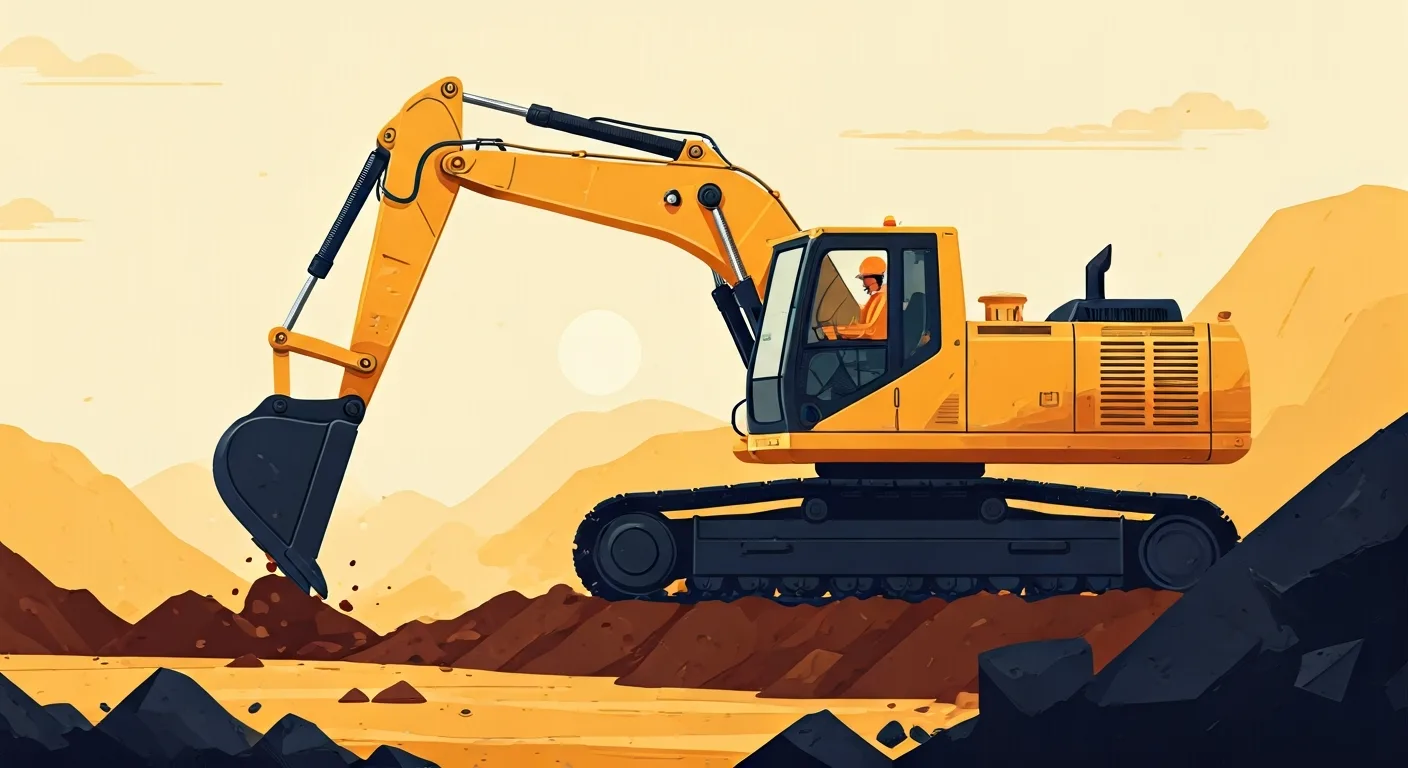
Operates a range of heavy earthmoving machinery including excavators, loaders, and graders to shape terrain on construction, mining, or road projects. Reads site plans and works to specified levels and grades, ensuring efficient and safe movement of earth materials and adherence to project specifications.
Essential for infrastructure development, construction, and mining, ensuring projects progress efficiently and safely by accurately shaping land and moving materials, laying the groundwork for other trades.
On the job
- Operate heavy equipment such as excavators, bulldozers, graders, and loaders to move, load, or spread earth, rock, or other materials
- Read and interpret blueprints, site plans, and grade stakes to achieve specified levels and contours
- Perform daily pre-start checks, routine maintenance, and minor repairs on machinery
- Adhere strictly to safety protocols, site regulations, and environmental guidelines
- Coordinate effectively with ground crews, engineers, and supervisors to execute tasks
Tools & technology
Average salary
Job outlook
StableDemand is steady. This is an established role with consistent hiring across sectors.
Education & training
Vocational training, certifications, and significant on-the-job experience are typically required. A Commercial Driver's License (CDL) may also be necessary.
AI impact outlook
Note — this is our current view. AI is moving fast, so we revisit these ratings.
Show how this was assessed Hide the detail
Note — this is our current view. AI is moving fast, so we revisit these ratings.
Show how this was assessed Hide the detailWhy this role received this rating
Core task exposure
low
How much of the role’s important work could AI perform?
Operating machinery for repetitive earthmoving tasks, especially with GPS guidance, is increasingly exposed to automation.
End-to-end automation
low
Can AI complete the work without substantial human involvement?
The variable, unpredictable nature of construction sites and the need for human safety oversight prevent full end-to-end automation.
Adoption pressure
low
How likely are employers to introduce AI into this work?
High capital costs for autonomous equipment, coupled with safety concerns and regulatory lag, moderate the adoption pressure.
Human dependence
strong
How much does success depend on human judgement, relationships and accountability?
Human judgment is essential for navigating complex terrain, identifying unexpected obstacles, ensuring safety, and coordinating with ground crews.
Protective — a higher rating lowers the overall score.
Role adaptability
moderate
How easily can the role evolve as AI takes on more tasks?
Operators can adapt by learning to manage autonomous fleets and specializing in complex, non-routine earthmoving tasks.
Shown for context — not part of the score.
What AI may take on
These are the parts of the role most likely to be automated or significantly accelerated.
- Operate heavy equipment for routine earthmoving tasks with GPS guidance
- Perform daily pre-start checks and routine maintenance diagnostics
- Interpret blueprints and site plans for initial grading
- Optimize fuel efficiency during operation
- Generate logs of earth moved and work completed
Where people remain essential
These parts continue to depend heavily on human judgement, relationships and accountability.
- Operate equipment for complex shaping and fine grading tasks
- Identify and react to unexpected site conditions and obstacles
- Adhere strictly to safety protocols and environmental guidelines
- Coordinate effectively with ground crews, engineers, and supervisors
- Perform minor repairs and troubleshooting in the field
- Make real-time decisions regarding material placement and stability
How the role may evolve
Operating complex machinery shifts to managing autonomous fleets and tricky terrain.
Operators will increasingly oversee fleets of semi-autonomous or fully autonomous earthmoving equipment, with their core responsibilities shifting towards managing exceptions, navigating highly complex or sensitive areas, and maintaining safety protocols.
Strengthen your future fit
- Gain proficiency in managing and troubleshooting GPS grading systems and autonomous features
- Develop advanced problem-solving for unexpected ground conditions
- Strengthen communication and coordination with diverse site personnel
- Deepen understanding of environmental regulations and site-specific safety
- Acquire diagnostic and maintenance skills for advanced machinery
- Assessment horizon
- 3–7 years
- Confidence
- Medium
- Last reviewed
- August 2026
- Methodology
- v1.0
This assessment reflects current AI capabilities and expected adoption patterns. Actual impacts will vary by industry, employer and the way each role is performed.
Career pathways
WHERE YOU COULD GO
CURRENT ROLE
Earthmoving Plant Operator (General)
Construction & Project Mgmt
ADJACENT MOVES
STARTING POINTS
Who thrives here
Interest profile
realistic · RCI
People who enjoy practical, hands-on tasks, operating machinery, and working in structured outdoor environments, often with a focus on precision and safety, tend to thrive in this role.
Personality characteristics
Methodical
Approaches tasks with a systematic and organized mindset, essential for operating complex machinery and following safety protocols.
Practical
Prefers hands-on work and tangible results, enjoying the process of shaping the physical environment.
Independent
Comfortable working alone for extended periods in a machine, focusing on the task at hand.
Calm under pressure
Maintains composure and focus in dynamic and potentially hazardous work environments.
Observant
Pays close attention to details, site conditions, and machine performance to ensure safety and quality.
Best for
- Individuals who enjoy operating complex machinery and seeing the physical results of their labor.
- Those who thrive in structured, rule-bound environments where safety and precision are paramount.
- People who prefer working independently or within a small team in an outdoor, dynamic setting.
Watch out for
- The work is primarily outdoors, exposed to various weather conditions and can be physically demanding.
- Strict adherence to safety protocols and procedures is critical, with little room for improvisation.
- The provided related roles are not relevant to this career, indicating a potential mismatch in general career pathing.
A week in the life
A representative working week for an Earthmoving Plant Operator (General) — where the deep work, meetings, and admin actually land.
Real people. Real results.
Thousands of people
can't be wrong.





Frequently asked questions about Earthmoving Plant Operator (General) roles
What does an Earthmoving Plant Operator (General) do?
An Earthmoving Plant Operator (General) operates a range of heavy earthmoving machinery including excavators, loaders, and graders to shape terrain on construction, mining, or road projects. Reads site plans and works to specified levels and grades, ensuring efficient and safe movement of earth materials and adherence to project specifications. Essential for infrastructure development, construction, and mining, ensuring projects progress efficiently and safely by accurately shaping land and moving materials, laying the groundwork for other trades.
How much does an Earthmoving Plant Operator (General) earn?
An Earthmoving Plant Operator (General) earns a median of $62,000 per year in the US, typically ranging from $45,000 to $85,000.
What qualifications do you need to become an Earthmoving Plant Operator (General)?
To become an Earthmoving Plant Operator (General), vocational training, certifications, and significant on-the-job experience are typically required. A Commercial Driver's License (CDL) may also be necessary. Heavy Equipment Operator Certification (may vary by state/employer).
What personality suits an Earthmoving Plant Operator (General)?
Earthmoving Plant Operator (General) roles tend to suit people who are highly conscientious — precise, organised and strong on follow-through (Conscientiousness 80/100) and steady under pressure — deadlines and setbacks do not rattle them easily (Emotional Stability 75/100). The traits that matter most in the role are Methodical, Practical, Independent and Calm under pressure. Approaches tasks with a systematic and organized mindset, essential for operating complex machinery and following safety protocols. On interests, Earthmoving Plant Operator (General) maps to a RCI Holland Code profile — people who enjoy practical, hands-on tasks, operating machinery, and working in structured outdoor environments, often with a focus on precision and safety, tend to thrive in this role.
Who does an Earthmoving Plant Operator (General) role suit?
An Earthmoving Plant Operator (General) role is usually a strong fit for these reasons. High Realistic (R) affinity, as the role is intensely practical and hands-on, involving the operation of physical tools and machinery. The role demands a high degree of Conventional (C) traits, requiring adherence to safety standards, operational procedures, and site plans. A significant portion of the week is dedicated to equipment operation, appealing to those who enjoy focused, task-oriented work.
What are the downsides of being an Earthmoving Plant Operator (General)?
Earthmoving Plant Operator (General) roles come with trade-offs worth weighing up. The work is primarily outdoors, exposed to various weather conditions and can be physically demanding. Strict adherence to safety protocols and procedures is critical, with little room for improvisation. The provided related roles are not relevant to this career, indicating a potential mismatch in general career pathing.
What is the work environment like for an Earthmoving Plant Operator (General)?
Work as an Earthmoving Plant Operator (General) is mostly outdoors-based with onsite arrangements common, semi-structured — a mix of set processes and self-directed work, a moderate pace and low exposure to clients or stakeholders.
What skills do you need to be an Earthmoving Plant Operator (General)?
Core skills for an Earthmoving Plant Operator (General) include Heavy equipment operation, Site grading and leveling, Equipment maintenance and troubleshooting, Construction safety protocols, Spatial awareness and judgment and Blueprint and plan interpretation.
How do you become an Earthmoving Plant Operator (General)?
Common entry routes into Earthmoving Plant Operator (General) roles include Equipment Operator Apprentice, General Laborer Construction and Truck Driver Heavy.
What career progression is there for an Earthmoving Plant Operator (General)?
From an Earthmoving Plant Operator (General) role, common next steps include Lead Earthmoving Plant Operator and Site Supervisor (Construction); lateral moves include Heavy Equipment Mechanic.
What is the job outlook for Earthmoving Plant Operator (General) roles?
The outlook for Earthmoving Plant Operator (General) roles is currently rated stable. Demand is steady. This is an established role with consistent hiring across sectors.
Will AI replace Earthmoving Plant Operator (General) roles?
Traitstack rates automation risk for Earthmoving Plant Operator (General) roles at 28 out of 100, which is low. The physical operation of earthmoving machinery faces increasing automation, refocusing the human operator on complex site challenges and equipment supervision. AI is most likely to take on operate heavy equipment for routine earthmoving tasks with gps guidance, perform daily pre-start checks and routine maintenance diagnostics and interpret blueprints and site plans for initial grading. Operate equipment for complex shaping and fine grading tasks, identify and react to unexpected site conditions and obstacles and adhere strictly to safety protocols and environmental guidelines stay with people. Operating complex machinery shifts to managing autonomous fleets and tricky terrain. That score measures how much of the work could change, not the likelihood the job disappears. It is Traitstack's current view, revisited as AI capability moves.