Diesel Technician
SOC 49-3031.00 · ESCO 7231 · OSCA 351433
Role snapshot
Overview
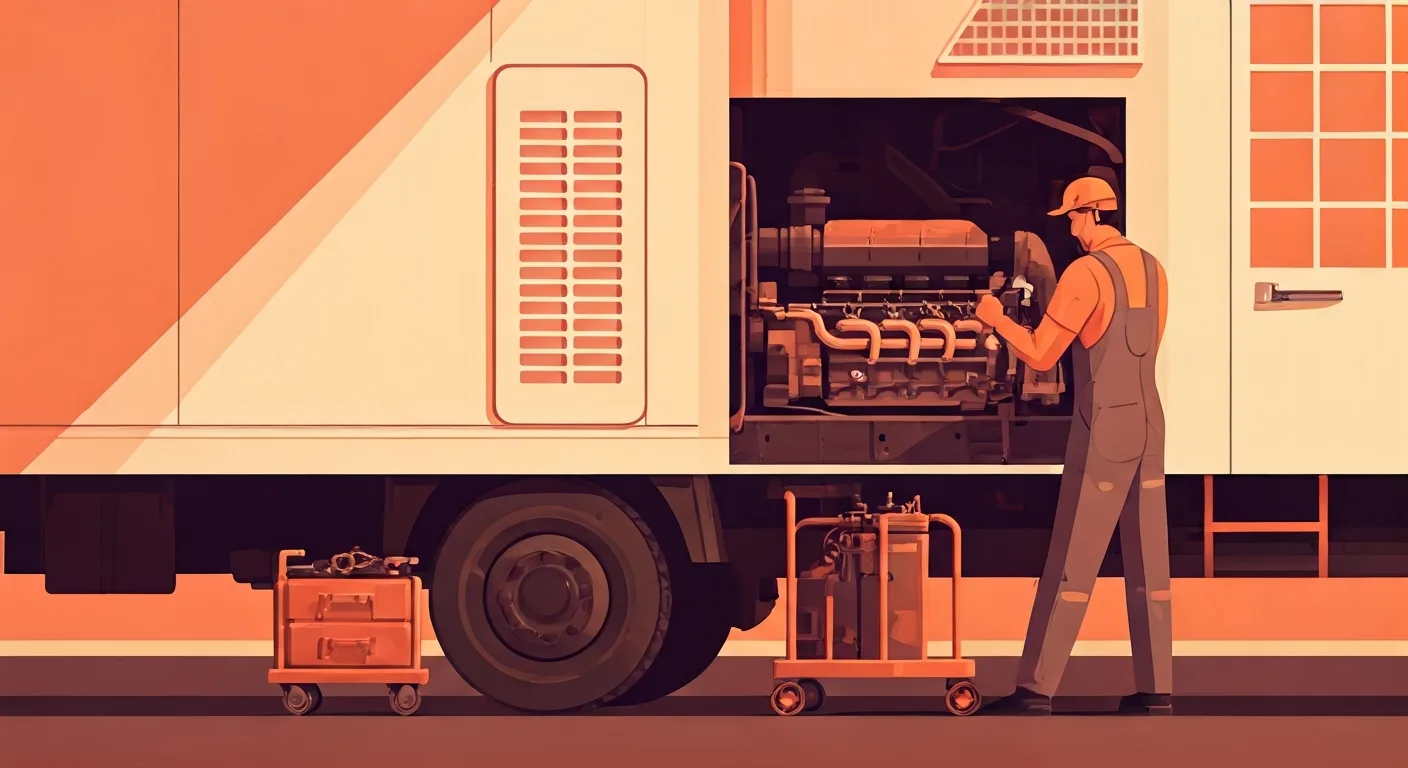
Inspects, diagnoses, and repairs diesel engines in trucks, buses, and heavy equipment, performing routine maintenance and replacing worn components to keep vehicles running safely and efficiently. This role involves using diagnostic tools, specialized equipment, and manual labor to troubleshoot complex mechanical and electrical issues, ensuring compliance with safety standards and operational requirements.
Ensures the safe and reliable operation of essential transportation and industrial equipment, directly supporting logistics, construction, and public services, and minimizing downtime for businesses.
On the job
- Perform routine preventative maintenance, including oil changes, lubrication, and filter replacement.
- Diagnose mechanical and electrical problems using computerized diagnostic equipment and manual inspection.
- Repair or replace defective components, such as engines, transmissions, brakes, and electrical systems.
- Conduct test drives and adjust vehicle systems to ensure proper performance.
- Maintain detailed records of repairs and maintenance performed.
Tools & technology
Average salary
Job outlook
GrowingJob growth is expected to be above average over the next five years.
Education & training
Vocational training, an associate's degree in diesel technology, or equivalent apprenticeship experience is typically required.
AI impact outlook
Note — this is our current view. AI is moving fast, so we revisit these ratings.
Show how this was assessed Hide the detail
Note — this is our current view. AI is moving fast, so we revisit these ratings.
Show how this was assessed Hide the detailWhy this role received this rating
Core task exposure
moderate
How much of the role’s important work could AI perform?
AI excels at interpreting diagnostic software data, predicting maintenance needs, and guiding technicians through complex repair procedures.
End-to-end automation
low
Can AI complete the work without substantial human involvement?
AI cannot physically manipulate heavy engine components, perform intricate mechanical repairs, or conduct test drives without human operation and intervention.
Adoption pressure
high
How likely are employers to introduce AI into this work?
Fleet operators and heavy equipment owners face high pressure to adopt AI for optimizing uptime, reducing maintenance costs, and ensuring safety through predictive diagnostics.
Human dependence
strong
How much does success depend on human judgement, relationships and accountability?
Success depends on expert troubleshooting of complex mechanical and electrical systems, precise physical repair skills, ensuring vehicle safety, and effective communication with clients.
Protective — a higher rating lowers the overall score.
Role adaptability
strong
How easily can the role evolve as AI takes on more tasks?
The role can adapt by becoming experts in advanced vehicle electronics, managing telematics data, specializing in complex engine control units, and operating sophisticated diagnostic tools.
Shown for context — not part of the score.
What AI may take on
These are the parts of the role most likely to be automated or significantly accelerated.
- Analyze diagnostic codes from computerized equipment
- Predict component failures for preventative maintenance
- Recommend optimal repair procedures and parts
- Generate detailed service records and compliance reports
- Guide technicians through complex wiring diagrams and schematics
Where people remain essential
These parts continue to depend heavily on human judgement, relationships and accountability.
- Performing routine preventative maintenance tasks by hand
- Physically repairing or replacing defective engine components
- Troubleshooting complex mechanical and electrical issues on-site
- Conducting test drives and making fine adjustments to vehicle systems
- Operating heavy lifting equipment and welding tools safely
- Communicating effectively with vehicle owners about repairs
- Adapting to unforeseen issues and custom modifications
How the role may evolve
Mastering advanced diagnostics, not just wrenches.
Diesel technicians will spend less time on basic diagnostics and more on interpreting AI-driven insights, focusing their expertise on advanced repairs and complex system integration.
Strengthen your future fit
- Proficiency in advanced diagnostic software and telematics systems
- Expertise in vehicle electronics and engine control units (ECUs)
- Specialization in specific diesel engine technologies
- Skills in data analysis for predictive maintenance
- Strong problem-solving for integrated mechanical-electrical failures
- Assessment horizon
- 3–7 years
- Confidence
- Medium
- Last reviewed
- August 2026
- Methodology
- v1.0
This assessment reflects current AI capabilities and expected adoption patterns. Actual impacts will vary by industry, employer and the way each role is performed.
Career pathways
WHERE YOU COULD GO
CURRENT ROLE
Diesel Technician
Skilled Trades
ADJACENT MOVES
STARTING POINTS
Who thrives here
Interest profile
realistic · RCI
Individuals who enjoy hands-on, practical tasks, working with tools and machinery, and solving technical problems will find this role engaging. A methodical and investigative approach to diagnosis and repair is key.
Personality characteristics
Practical problem-solver
Enjoys using tools and logic to fix tangible mechanical issues.
Conscientious
Pays close attention to detail and follows procedures to ensure quality and safety.
Methodical
Approaches diagnosis and repair systematically to identify root causes efficiently.
Calm under pressure
Maintains composure when facing complex breakdowns or urgent repairs.
Cooperative
Works effectively with team members and communicates clearly with supervisors.
Best for
- Individuals who enjoy diagnosing and fixing complex machinery with their hands.
- Those who thrive in a workshop environment and value tangible results.
- People who are meticulous, patient, and committed to safety and quality.
Watch out for
- Requires physical stamina and working in various weather conditions, potentially outdoors.
- Can involve irregular hours or emergency call-outs, impacting work-life balance.
A week in the life
A representative working week for a Diesel Technician — where the deep work, meetings, and admin actually land.
Real people. Real results.
Thousands of people
can't be wrong.




Frequently asked questions about Diesel Technician roles
What does a Diesel Technician do?
A Diesel Technician inspects, diagnoses, and repairs diesel engines in trucks, buses, and heavy equipment, performing routine maintenance and replacing worn components to keep vehicles running safely and efficiently. This role involves using diagnostic tools, specialized equipment, and manual labor to troubleshoot complex mechanical and electrical issues, ensuring compliance with safety standards and operational requirements. Ensures the safe and reliable operation of essential transportation and industrial equipment, directly supporting logistics, construction, and public services, and minimizing downtime for businesses.
How much does a Diesel Technician earn?
A Diesel Technician earns a median of $65,000 per year in the US, typically ranging from $45,000 to $85,000.
What qualifications do you need to become a Diesel Technician?
To become a Diesel Technician, vocational training, an associate's degree in diesel technology, or equivalent apprenticeship experience is typically required. Commercial Driver's License (CDL) for test drives (often required).
What personality suits a Diesel Technician?
Diesel Technician roles tend to suit people who are highly conscientious — precise, organised and strong on follow-through (Conscientiousness 80/100) and steady under pressure — deadlines and setbacks do not rattle them easily (Emotional Stability 70/100). The traits that matter most in the role are Practical problem-solver, Conscientious, Methodical and Calm under pressure. Enjoys using tools and logic to fix tangible mechanical issues. On interests, Diesel Technician maps to a RCI Holland Code profile — individuals who enjoy hands-on, practical tasks, working with tools and machinery, and solving technical problems will find this role engaging. A methodical and investigative approach to diagnosis and repair is key.
Who does a Diesel Technician role suit?
A Diesel Technician role is usually a strong fit for these reasons. High emphasis on realistic and investigative work, aligning with a hands-on problem-solving approach. The role demands strong conscientiousness for detailed diagnostics and precise repairs. Opportunities for continuous learning about complex mechanical and electrical systems.
What are the downsides of being a Diesel Technician?
Diesel Technician roles come with trade-offs worth weighing up. Requires physical stamina and working in various weather conditions, potentially outdoors. Can involve irregular hours or emergency call-outs, impacting work-life balance.
What is the work environment like for a Diesel Technician?
Work as a Diesel Technician is mostly workshop-based with onsite arrangements common, semi-structured — a mix of set processes and self-directed work, a moderate pace and low exposure to clients or stakeholders. Around 74% of the week is focused deep work.
What skills do you need to be a Diesel Technician?
Core skills for a Diesel Technician include Diesel engine diagnostics, Heavy equipment repair, Electrical system troubleshooting, Brake system maintenance and Preventative maintenance.
How do you become a Diesel Technician?
Common entry routes into Diesel Technician roles include Apprentice Diesel Mechanic, Automotive Technician and Heavy Equipment Operator.
What career progression is there for a Diesel Technician?
From a Diesel Technician role, common next steps include Senior Diesel Technician, Shop Foreman and Service Manager; lateral moves include Heavy Equipment Operator and Automotive Mechanic.
What is the job outlook for Diesel Technician roles?
The outlook for Diesel Technician roles is currently rated growing. Job growth is expected to be above average over the next five years.
Will AI replace Diesel Technician roles?
Traitstack rates automation risk for Diesel Technician roles at 45 out of 100, which is moderate. Diagnostic interpretation and preventative maintenance scheduling will be increasingly AI-driven, yet the hands-on repair of complex diesel engines and heavy components remains a human task. AI is most likely to take on analyze diagnostic codes from computerized equipment, predict component failures for preventative maintenance and recommend optimal repair procedures and parts. Performing routine preventative maintenance tasks by hand, physically repairing or replacing defective engine components and troubleshooting complex mechanical and electrical issues on-site stay with people. Mastering advanced diagnostics, not just wrenches. That score measures how much of the work could change, not the likelihood the job disappears. It is Traitstack's current view, revisited as AI capability moves.