Dance Teacher (Private Tuition)
SOC 25-1121.00 · ESCO 2355 · OSCA 259232
Role snapshot
Overview
Instructs students of various ages and skill levels in dance technique, choreography, and performance across diverse styles such as ballet, contemporary, jazz, hip-hop, or tap. Develops progressive lesson plans, provides individualized feedback to correct form, and prepares students for examinations, auditions, recitals, or competitive performances. Fosters a positive and encouraging learning environment.
Empowers students to develop physical coordination, artistic expression, self-discipline, and confidence through dance. Contributes to the preservation and evolution of dance as an art form and a valuable life skill.
On the job
- Develop and implement age-appropriate and skill-level-appropriate dance curricula.
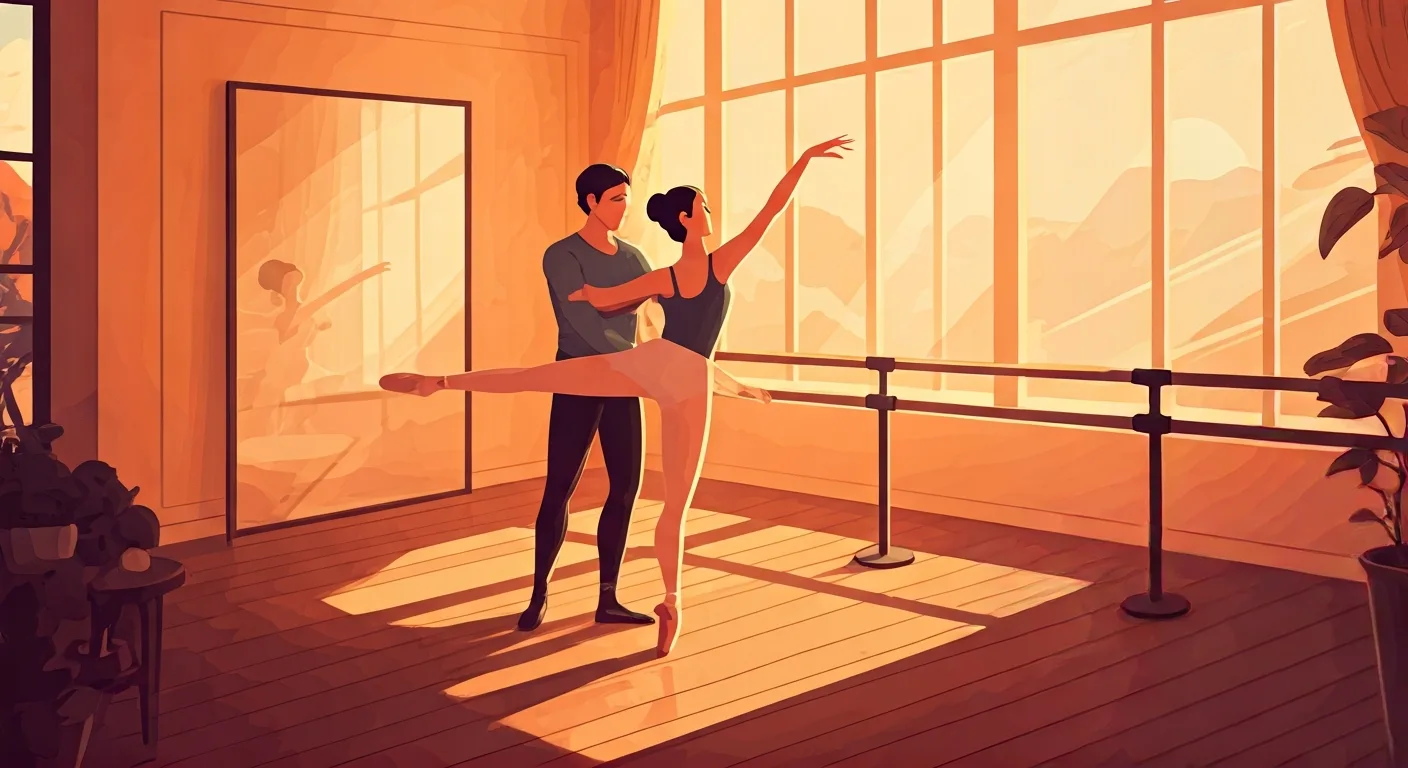
- Demonstrate dance movements and techniques, providing clear verbal instructions and physical corrections.
- Choreograph original routines or adapt existing choreography for student performances and competitions.
- Provide constructive feedback on student performance, technique, and artistic interpretation.
- Manage class logistics, including scheduling, attendance, and communication with students and parents.
Tools & technology
Average salary
Job outlook
StableDemand is steady. This is an established role with consistent hiring across sectors.
Education & training
Often requires a certificate or diploma in dance, or significant professional performance experience. A bachelor's degree in dance education or a related field is preferred by some institutions.
AI impact outlook
Note — this is our current view. AI is moving fast, so we revisit these ratings.
Show how this was assessed Hide the detail
Note — this is our current view. AI is moving fast, so we revisit these ratings.
Show how this was assessed Hide the detailWhy this role received this rating
Core task exposure
moderate
How much of the role’s important work could AI perform?
AI can suggest choreography ideas, generate lesson plans, and provide basic form correction via video analysis.
End-to-end automation
low
Can AI complete the work without substantial human involvement?
The physical demonstration, nuanced real-time corrections, and emotional connection of teaching dance are profoundly human-dependent.
Adoption pressure
low
How likely are employers to introduce AI into this work?
Private tuition often values the personal touch, and the cost-benefit for full automation in this physical art form is not compelling, leading to low adoption pressure.
Human dependence
strong
How much does success depend on human judgement, relationships and accountability?
Success in this role hinges on physical connection, subtle corrections, artistic inspiration, and building student confidence and expression.
Protective — a higher rating lowers the overall score.
Role adaptability
moderate
How easily can the role evolve as AI takes on more tasks?
Dance styles and performance trends evolve, requiring teachers to adapt their curricula and incorporate new techniques and artistic expressions.
Shown for context — not part of the score.
What AI may take on
These are the parts of the role most likely to be automated or significantly accelerated.
- Generating draft lesson plans for various dance styles and levels
- Suggesting choreography sequences and movement variations
- Providing initial feedback on dance form via video analysis software
- Managing class scheduling and student attendance records
- Curating music playlists for different dance classes
Where people remain essential
These parts continue to depend heavily on human judgement, relationships and accountability.
- Physically demonstrating complex dance movements and techniques
- Providing real-time, hands-on adjustments and corrections to form
- Inspiring artistic expression and emotional connection in performance
- Developing original choreography that reflects unique vision
- Building rapport and trust with students to foster confidence
- Preparing students for live performances, auditions, and examinations
How the role may evolve
Less direct choreography, more nuanced form correction and artistic inspiration.
The role will shift from being the sole source of choreography to leveraging AI for creative suggestions, allowing teachers to deepen their focus on personalized technical refinement, artistic development, and the emotional connection of dance.
Strengthen your future fit
- Deepening mastery of diverse dance techniques and styles
- Enhancing ability to provide nuanced, individualized physical corrections
- Cultivating strong motivational and inspirational coaching skills
- Integrating video analysis and AI tools for augmented feedback
- Focusing on the psychological and emotional aspects of performance
- Assessment horizon
- 3–7 years
- Confidence
- High
- Last reviewed
- August 2026
- Methodology
- v1.0
This assessment reflects current AI capabilities and expected adoption patterns. Actual impacts will vary by industry, employer and the way each role is performed.
Career pathways
WHERE YOU COULD GO
CURRENT ROLE
Dance Teacher (Private Tuition)
Teaching & Instruction
ADJACENT MOVES
STARTING POINTS
Who thrives here
Interest profile
social · SAI
Individuals who thrive on artistic expression, enjoy guiding and teaching others, and appreciate continuous learning and refinement of their craft are well-suited for this role.
Personality characteristics
Open-minded
Eager to explore new dance styles, teaching methods, and creative approaches to choreography.
Conscientious
Organised and disciplined in lesson planning, student progression, and studio management.
Engaging
Energised by interacting with students, performing, and presenting choreography to audiences.
Empathetic
Patient, empathetic, and supportive in providing feedback and fostering a positive learning environment.
Resilient
Maintains composure and adapts effectively to diverse student needs, performance challenges, and occasional setbacks.
Artistic
Driven by a deep passion for dance, choreography, and expressing creativity through movement.
Best for
- Individuals with strong dance technique and a passion for teaching and mentoring.
- Those who enjoy both the artistic creation of choreography and the social interaction of instruction.
- Teachers who thrive in a dynamic environment where they can adapt lessons to individual student needs.
Watch out for
- Requires significant physical stamina and demonstration, which can be demanding.
- Irregular hours, including evenings and weekends, are common due to student schedules and performances.
A week in the life
A representative working week for a Dance Teacher (Private Tuition) — where the deep work, meetings, and admin actually land.
Real people. Real results.
Thousands of people
can't be wrong.





Frequently asked questions about Dance Teacher (Private Tuition) roles
What does a Dance Teacher (Private Tuition) do?
A Dance Teacher (Private Tuition) instructs students of various ages and skill levels in dance technique, choreography, and performance across diverse styles such as ballet, contemporary, jazz, hip-hop, or tap. Develops progressive lesson plans, provides individualized feedback to correct form, and prepares students for examinations, auditions, recitals, or competitive performances. Fosters a positive and encouraging learning environment. Empowers students to develop physical coordination, artistic expression, self-discipline, and confidence through dance. Contributes to the preservation and evolution of dance as an art form and a valuable life skill.
How much does a Dance Teacher (Private Tuition) earn?
A Dance Teacher (Private Tuition) earns a median of $55,000 per year in the US, typically ranging from $35,000 to $80,000.
What qualifications do you need to become a Dance Teacher (Private Tuition)?
To become a Dance Teacher (Private Tuition), often requires a certificate or diploma in dance, or significant professional performance experience. A bachelor's degree in dance education or a related field is preferred by some institutions.
What personality suits a Dance Teacher (Private Tuition)?
Dance Teacher (Private Tuition) roles tend to suit people who are open and curious — drawn to variety, ideas and new approaches (Openness 82/100) and warm and cooperative — tuned in to the people around them (Agreeableness 75/100). The traits that matter most in the role are Open-minded, Conscientious, Engaging and Empathetic. Eager to explore new dance styles, teaching methods, and creative approaches to choreography. On interests, Dance Teacher (Private Tuition) maps to a SAI Holland Code profile — individuals who thrive on artistic expression, enjoy guiding and teaching others, and appreciate continuous learning and refinement of their craft are well-suited for this role.
Who does a Dance Teacher (Private Tuition) role suit?
A Dance Teacher (Private Tuition) role is usually a strong fit for these reasons. High Artistic and Social alignment, allowing you to express creativity while guiding others. The role offers autonomy in lesson planning and choreography, appealing to independent thinkers. Directly contributes to students' physical and artistic development, providing a strong sense of purpose.
What are the downsides of being a Dance Teacher (Private Tuition)?
Dance Teacher (Private Tuition) roles come with trade-offs worth weighing up. Requires significant physical stamina and demonstration, which can be demanding. Irregular hours, including evenings and weekends, are common due to student schedules and performances.
What is the work environment like for a Dance Teacher (Private Tuition)?
Work as a Dance Teacher (Private Tuition) is mostly classroom-based with onsite arrangements common, semi-structured — a mix of set processes and self-directed work, a moderate pace and high exposure to clients or stakeholders. Around 28% of the week is focused deep work.
What skills do you need to be a Dance Teacher (Private Tuition)?
Core skills for a Dance Teacher (Private Tuition) include Dance Technique Instruction, Choreography, Pedagogy, Musicality, Communication and Classroom Management.
How do you become a Dance Teacher (Private Tuition)?
Common entry routes into Dance Teacher (Private Tuition) roles include Assistant Dance Instructor, Professional Dancer and Dance Student Intern.
What career progression is there for a Dance Teacher (Private Tuition)?
From a Dance Teacher (Private Tuition) role, common next steps include Studio Owner/Director, Professional Choreographer and Dance Program Coordinator (Academic); lateral moves include Dance Company Performer.
What is the job outlook for Dance Teacher (Private Tuition) roles?
The outlook for Dance Teacher (Private Tuition) roles is currently rated stable. Demand is steady. This is an established role with consistent hiring across sectors.
Will AI replace Dance Teacher (Private Tuition) roles?
Traitstack rates automation risk for Dance Teacher (Private Tuition) roles at 34 out of 100, which is low. AI can suggest routines and provide basic feedback, though physical demonstration, artistic interpretation, and motivational coaching require human presence. AI is most likely to take on generating draft lesson plans for various dance styles and levels, suggesting choreography sequences and movement variations and providing initial feedback on dance form via video analysis software. Physically demonstrating complex dance movements and techniques, providing real-time, hands-on adjustments and corrections to form and inspiring artistic expression and emotional connection in performance stay with people. Less direct choreography, more nuanced form correction and artistic inspiration. That score measures how much of the work could change, not the likelihood the job disappears. It is Traitstack's current view, revisited as AI capability moves.