Craft Artist
SOC 27-1012.00 · ESCO visual-artist
Role snapshot
Overview
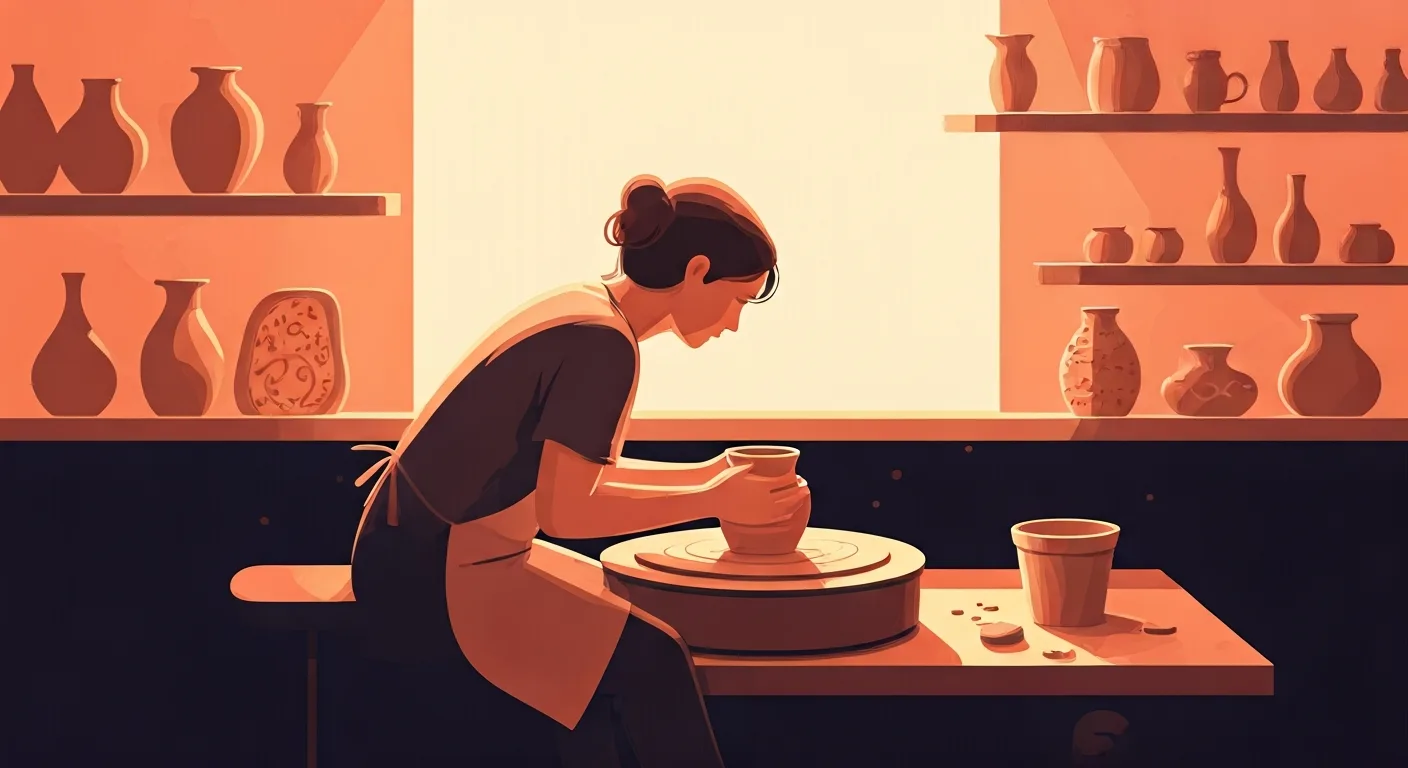
Craft Artists design and handmake unique objects such as ceramics, jewellery, textiles, or glasswork, blending artistic vision with skilled craftsmanship. They manage all aspects of their creative business, from sourcing materials and developing new designs to marketing their products, selling at markets, and managing online sales channels.
Brings unique, handmade beauty and functionality into the world, preserving traditional crafts and fostering personal expression through art. Supports local economies and sustainable practices.
On the job
- Develop new artistic concepts and product designs
- Source raw materials and supplies, considering quality and sustainability
- Handcraft objects using various techniques and tools
- Market and sell products through online platforms, art markets, and galleries
- Manage inventory, finances, and customer relationships for their business
Tools & technology
Average salary
Job outlook
StableDemand is steady. This is an established role with consistent hiring across sectors.
Education & training
Formal training in fine arts or specific craft techniques is beneficial, though a strong portfolio and self-taught expertise are often paramount.
AI impact outlook
Note — this is our current view. AI is moving fast, so we revisit these ratings.
Show how this was assessed Hide the detail
Note — this is our current view. AI is moving fast, so we revisit these ratings.
Show how this was assessed Hide the detailWhy this role received this rating
Core task exposure
low
How much of the role’s important work could AI perform?
While AI can generate design concepts and marketing copy, the physical act of handcrafting unique objects and the personal artistic expression are minimally exposed.
End-to-end automation
low
Can AI complete the work without substantial human involvement?
AI cannot replicate the human touch, skill, and creative intuition required to handcraft unique physical objects or manage the entire artistic business from concept to sale.
Adoption pressure
low
How likely are employers to introduce AI into this work?
The core value proposition of handcrafted goods is human artistry and uniqueness, making automation of the core task undesirable for market appeal.
Human dependence
strong
How much does success depend on human judgement, relationships and accountability?
Success depends on unique artistic vision, skilled craftsmanship, direct customer relationships, personal branding, and entrepreneurial acumen.
Protective — a higher rating lowers the overall score.
Role adaptability
strong
How easily can the role evolve as AI takes on more tasks?
This role can significantly adapt by using AI for business efficiency and design inspiration, while doubling down on the unique human element of creation.
Shown for context — not part of the score.
What AI may take on
These are the parts of the role most likely to be automated or significantly accelerated.
- Generate design concepts and variations for inspiration
- Write marketing copy for products and social media
- Manage inventory and track sales data
- Automate basic customer service inquiries
- Analyze market trends for product development
Where people remain essential
These parts continue to depend heavily on human judgement, relationships and accountability.
- Developing original artistic concepts and vision
- Sourcing and selecting unique raw materials
- Handcrafting objects with skilled manual techniques
- Building personal brand and customer relationships
- Managing the creative business and finances
- Ensuring the quality and uniqueness of each piece
How the role may evolve
Amplifying unique vision with digital tools, preserving human touch.
Craft artists will leverage AI to streamline business and design processes, allowing them to dedicate more time and focus to the irreplaceable hands-on creation and artistic innovation that defines their work.
Strengthen your future fit
- Proficiency in digital marketing and e-commerce platforms
- Developing advanced craft techniques and material knowledge
- Strengthening personal branding and storytelling skills
- Utilizing AI for design inspiration and concept generation
- Enhancing business management and entrepreneurial skills
- Assessment horizon
- 3–7 years
- Confidence
- High
- Last reviewed
- August 2026
- Methodology
- v1.0
This assessment reflects current AI capabilities and expected adoption patterns. Actual impacts will vary by industry, employer and the way each role is performed.
Career pathways
WHERE YOU COULD GO
CURRENT ROLE
Craft Artist
Design & Visual Arts
ADJACENT MOVES
STARTING POINTS
Who thrives here
Interest profile
artistic · ARS
People who enjoy creative exploration, hands-on creation, and the business of selling their art tend to thrive in this role.
Personality characteristics
Curious
Genuinely interested in exploring new materials, techniques, and artistic expressions.
Focused
Able to concentrate on intricate details and repetitive tasks required for crafting high-quality pieces.
Expressive
Comfortable promoting their work, engaging with customers, and articulating their artistic vision.
Client-oriented
Open to feedback and willing to adapt designs to meet client needs while maintaining artistic integrity.
Resilient
Handles creative blocks, market fluctuations, and the business challenges of being a self-employed artist.
Best for
- Individuals who are passionate about creating tangible art and mastering specific craft techniques.
- Artists who enjoy the independence of running their own creative business from concept to sale.
Watch out for
- Requires strong self-discipline and business acumen beyond artistic skill to manage an independent practice.
- Income can be inconsistent, especially when starting out, and often involves weekend work for markets.
A week in the life
A representative working week for a Craft Artist — where the deep work, meetings, and admin actually land.
Real people. Real results.
Thousands of people
can't be wrong.
Frequently asked questions about Craft Artist roles
What does a Craft Artist do?
A Craft Artist craft Artists design and handmake unique objects such as ceramics, jewellery, textiles, or glasswork, blending artistic vision with skilled craftsmanship. They manage all aspects of their creative business, from sourcing materials and developing new designs to marketing their products, selling at markets, and managing online sales channels. Brings unique, handmade beauty and functionality into the world, preserving traditional crafts and fostering personal expression through art. Supports local economies and sustainable practices.
How much does a Craft Artist earn?
A Craft Artist earns a median of $50,000 per year in the US, typically ranging from $30,000 to $80,000.
What qualifications do you need to become a Craft Artist?
To become a Craft Artist, formal training in fine arts or specific craft techniques is beneficial, though a strong portfolio and self-taught expertise are often paramount.
What personality suits a Craft Artist?
Craft Artist roles tend to suit people who are open and curious — drawn to variety, ideas and new approaches (Openness 92/100). The traits that matter most in the role are Curious, Focused, Expressive and Client-oriented. Genuinely interested in exploring new materials, techniques, and artistic expressions. On interests, Craft Artist maps to an ARS Holland Code profile — people who enjoy creative exploration, hands-on creation, and the business of selling their art tend to thrive in this role.
Who does a Craft Artist role suit?
A Craft Artist role is usually a strong fit for these reasons. Strong Artistic and Realistic alignment: the role combines creative vision with hands-on material manipulation and craftsmanship. A significant portion of the week is dedicated to deep work, allowing for focused creation and design. Opportunity for self-expression and direct connection with customers who value unique, handmade goods.
What are the downsides of being a Craft Artist?
Craft Artist roles come with trade-offs worth weighing up. Requires strong self-discipline and business acumen beyond artistic skill to manage an independent practice. Income can be inconsistent, especially when starting out, and often involves weekend work for markets.
What is the work environment like for a Craft Artist?
Work as a Craft Artist is mostly mixed-based with onsite arrangements common, largely self-directed, with little imposed structure, a moderate pace and medium exposure to clients or stakeholders. Around 60% of the week is focused deep work.
What skills do you need to be a Craft Artist?
Core skills for a Craft Artist include Artistic design and concept development, Material selection and manipulation, Craftsmanship and manual dexterity, Marketing and sales and Business management and financial literacy.
How do you become a Craft Artist?
Common entry routes into Craft Artist roles include Art Student, Craft Apprentice and Hobbyist Artist.
What career progression is there for a Craft Artist?
From a Craft Artist role, common next steps include Master Artisan; lateral moves include Art Educator and Gallery Owner.
What is the job outlook for Craft Artist roles?
The outlook for Craft Artist roles is currently rated stable. Demand is steady. This is an established role with consistent hiring across sectors.
Will AI replace Craft Artist roles?
Traitstack rates automation risk for Craft Artist roles at 16 out of 100, which is low. The unique physical creation of handcrafted objects and the personal artistic expression driving them are inherently human, while AI can aid in marketing and design inspiration. AI is most likely to take on generate design concepts and variations for inspiration, write marketing copy for products and social media and manage inventory and track sales data. Developing original artistic concepts and vision, sourcing and selecting unique raw materials and handcrafting objects with skilled manual techniques stay with people. Amplifying unique vision with digital tools, preserving human touch. That score measures how much of the work could change, not the likelihood the job disappears. It is Traitstack's current view, revisited as AI capability moves.