Cinematographer
SOC 27-4031.00 · ESCO 2654 · OSCA 231433
Role snapshot
Overview
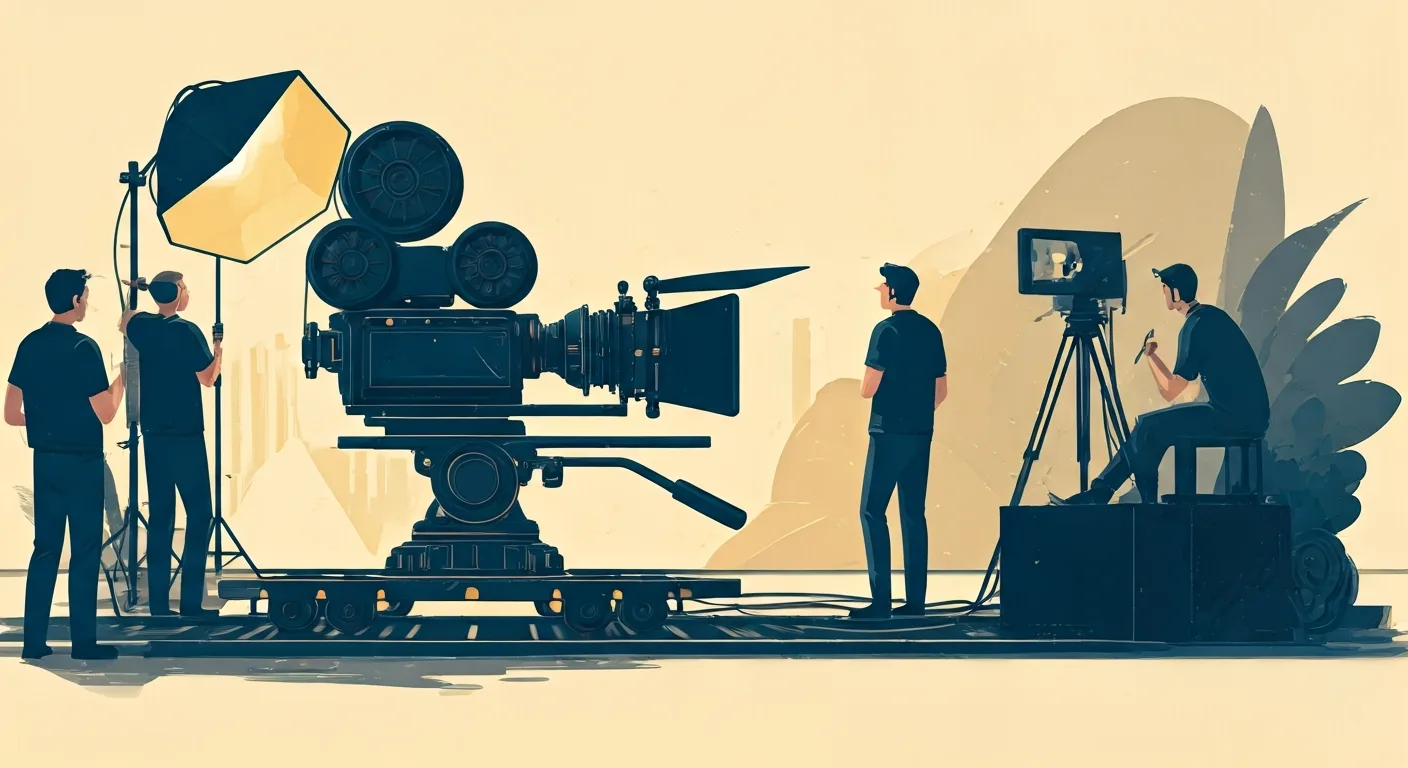
A Cinematographer, also known as a Director of Photography (DP), is responsible for the overall visual aesthetic and artistic quality of a film, television show, or commercial. They meticulously select cameras, lenses, lighting equipment, and framing techniques for every shot, working closely with the director to translate the script's narrative and emotional intent into compelling visual imagery. This role involves leading and managing the camera and lighting crew on set, ensuring technical execution aligns with the creative vision.
Shapes audience perception and emotional connection to the story through visual composition, lighting, and camera movement, enhancing the director's artistic vision and contributing significantly to the project's artistic success.
On the job
- Collaborate with the director to understand the visual style, mood, and storytelling objectives for the production.
- Select appropriate camera equipment, lenses, and filters to achieve desired visual effects and aesthetic.
- Design and execute lighting setups to create atmosphere, highlight key elements, and manage visual continuity.
- Oversee camera operations, framing, and movement during production, ensuring technical and artistic standards are met.
- Manage and direct the camera crew, gaffers, and grips on set, fostering an efficient and creative working environment.
- Supervise color grading and visual effects during post-production to maintain visual consistency and artistic intent.
Tools & technology
Average salary
Job outlook
GrowingJob growth is expected to be above average over the next five years.
Education & training
Bachelor's degree or extensive practical experience in film production, cinematography, or related visual arts. A strong portfolio is essential.
AI impact outlook
Note — this is our current view. AI is moving fast, so we revisit these ratings.
Show how this was assessed Hide the detail
Note — this is our current view. AI is moving fast, so we revisit these ratings.
Show how this was assessed Hide the detailWhy this role received this rating
Core task exposure
high
How much of the role’s important work could AI perform?
AI can assist significantly with shot composition suggestions, lighting pre-visualization, equipment recommendations, and automated camera movements.
End-to-end automation
low
Can AI complete the work without substantial human involvement?
While AI aids in many steps, the artistic interpretation, complex on-set execution, and direction of crew for a coherent visual narrative require human oversight.
Adoption pressure
high
How likely are employers to introduce AI into this work?
High adoption is seen in areas like virtual production, AI-driven camera rigs, and advanced post-production color grading tools.
Human dependence
strong
How much does success depend on human judgement, relationships and accountability?
Success hinges on unique artistic vision, collaboration with the director, leading a technical crew, and real-time problem-solving on a dynamic set.
Protective — a higher rating lowers the overall score.
Role adaptability
strong
How easily can the role evolve as AI takes on more tasks?
Cinematographers are highly adaptable, constantly incorporating new technologies and workflows to enhance visual storytelling.
Shown for context — not part of the score.
What AI may take on
These are the parts of the role most likely to be automated or significantly accelerated.
- Suggest camera angles and shot compositions based on script analysis
- Pre-visualize complex lighting setups and their effects
- Automate basic camera movements (e.g., tracking shots, drone flights)
- Provide initial color grading suggestions in post-production
Where people remain essential
These parts continue to depend heavily on human judgement, relationships and accountability.
- Developing the overall visual style and artistic tone with the director
- Making real-time creative and technical decisions on set under pressure
- Leading and managing a large camera and lighting crew effectively
- Solving unforeseen logistical and artistic challenges during production
- Ensuring emotional intent is translated accurately into visual imagery
How the role may evolve
Greater emphasis on vision and crew leadership, less on technical setup.
Cinematographers will evolve into master visual architects, using AI to offload technical complexities and focus more on refining artistic vision, collaboration, and on-set human direction.
Strengthen your future fit
- Proficiency with AI visualization tools
- Strong leadership and communication for crew management
- Deep understanding of visual psychology and storytelling
- Adaptability to new virtual production workflows
- Advanced problem-solving under pressure
- Assessment horizon
- 3–7 years
- Confidence
- High
- Last reviewed
- August 2026
- Methodology
- v1.0
This assessment reflects current AI capabilities and expected adoption patterns. Actual impacts will vary by industry, employer and the way each role is performed.
Career pathways
WHERE YOU COULD GO
CURRENT ROLE
Cinematographer
Entertainment & Media
ADJACENT MOVES
STARTING POINTS
Who thrives here
Interest profile
artistic · ARC
People who are highly artistic, enjoy hands-on practical work with equipment, and appreciate structured problem-solving tend to thrive in this role.
Personality characteristics
Curious and Imaginative
Possesses a strong imagination and a keen eye for visual innovation, constantly seeking new ways to tell stories through images.
Detail-oriented
Meticulous in planning and executing shots, ensuring every technical and artistic detail contributes to the overall vision.
Collaborative
Works effectively with directors, crew members, and actors, valuing team input to achieve a unified creative outcome.
Calm under pressure
Maintains composure and focus in fast-paced, high-pressure on-set environments, solving problems efficiently.
Communicative
Clearly articulates visual concepts and technical requirements to the team, facilitating smooth production and execution.
Best for
- Individuals passionate about visual storytelling and the technical artistry of filmmaking.
- Creatives who enjoy leading a team and bringing a director's vision to life through light and camera.
- Professionals who thrive in dynamic, hands-on environments and are comfortable with frequent travel and varied schedules.
Watch out for
- Long and irregular hours, especially during intense production phases, can be demanding.
- Requires constant adaptation to new technologies and creative challenges, which can be intense.
- The role involves managing a large crew, demanding strong leadership and communication skills under pressure.
A week in the life
A representative working week for a Cinematographer — where the deep work, meetings, and admin actually land.
Real people. Real results.
Thousands of people
can't be wrong.
Frequently asked questions about Cinematographer roles
What does a Cinematographer do?
A Cinematographer a Cinematographer, also known as a Director of Photography (DP), is responsible for the overall visual aesthetic and artistic quality of a film, television show, or commercial. They meticulously select cameras, lenses, lighting equipment, and framing techniques for every shot, working closely with the director to translate the script's narrative and emotional intent into compelling visual imagery. This role involves leading and managing the camera and lighting crew on set, ensuring technical execution aligns with the creative vision. Shapes audience perception and emotional connection to the story through visual composition, lighting, and camera movement, enhancing the director's artistic vision and contributing significantly to the project's artistic success.
How much does a Cinematographer earn?
A Cinematographer earns a median of $95,000 per year in the US, typically ranging from $65,000 to $150,000.
What qualifications do you need to become a Cinematographer?
To become a Cinematographer, bachelor's degree or extensive practical experience in film production, cinematography, or related visual arts. A strong portfolio is essential.
What personality suits a Cinematographer?
Cinematographer roles tend to suit people who are open and curious — drawn to variety, ideas and new approaches (Openness 90/100) and highly conscientious — precise, organised and strong on follow-through (Conscientiousness 68/100). The traits that matter most in the role are Curious and Imaginative, Detail-oriented, Collaborative and Calm under pressure. Possesses a strong imagination and a keen eye for visual innovation, constantly seeking new ways to tell stories through images. On interests, Cinematographer maps to an ARC Holland Code profile — people who are highly artistic, enjoy hands-on practical work with equipment, and appreciate structured problem-solving tend to thrive in this role.
Who does a Cinematographer role suit?
A Cinematographer role is usually a strong fit for these reasons. Strong Artistic and Realistic alignment: the role demands both creative vision and hands-on technical mastery of equipment. A significant portion of the week involves external, on-set work, appealing to those who enjoy dynamic, practical environments. Requires high attention to detail and structured problem-solving, aligning with a strong Conventional interest.
What are the downsides of being a Cinematographer?
Cinematographer roles come with trade-offs worth weighing up. Long and irregular hours, especially during intense production phases, can be demanding. Requires constant adaptation to new technologies and creative challenges, which can be intense. The role involves managing a large crew, demanding strong leadership and communication skills under pressure.
What is the work environment like for a Cinematographer?
Work as a Cinematographer is mostly mixed-based with onsite arrangements common, semi-structured — a mix of set processes and self-directed work and high exposure to clients or stakeholders. Around 33% of the week is focused deep work.
What skills do you need to be a Cinematographer?
Core skills for a Cinematographer include Visual storytelling, Lighting design and execution, Camera operation and movement, Composition and framing, Team leadership and collaboration and Technical knowledge of film equipment.
How do you become a Cinematographer?
Common entry routes into Cinematographer roles include Camera Assistant, Gaffer, Lighting Technician and Grip.
What career progression is there for a Cinematographer?
From a Cinematographer role, common next steps include Senior Cinematographer and Director; lateral moves include Visual Effects Supervisor.
What is the job outlook for Cinematographer roles?
The outlook for Cinematographer roles is currently rated growing. Job growth is expected to be above average over the next five years.
Will AI replace Cinematographer roles?
Traitstack rates automation risk for Cinematographer roles at 53 out of 100, which is moderate. While AI assists with visual concepts and pre-visualization, the DP's artistic interpretation, on-set execution, and crew leadership remain inherently human. AI is most likely to take on suggest camera angles and shot compositions based on script analysis, pre-visualize complex lighting setups and their effects and automate basic camera movements (e.g., tracking shots, drone flights). Developing the overall visual style and artistic tone with the director, making real-time creative and technical decisions on set under pressure and leading and managing a large camera and lighting crew effectively stay with people. Greater emphasis on vision and crew leadership, less on technical setup. That score measures how much of the work could change, not the likelihood the job disappears. It is Traitstack's current view, revisited as AI capability moves.