Cardiothoracic Surgeon
SOC 29-1248 · ESCO 2212 · OSCA 264632
Role snapshot
Overview
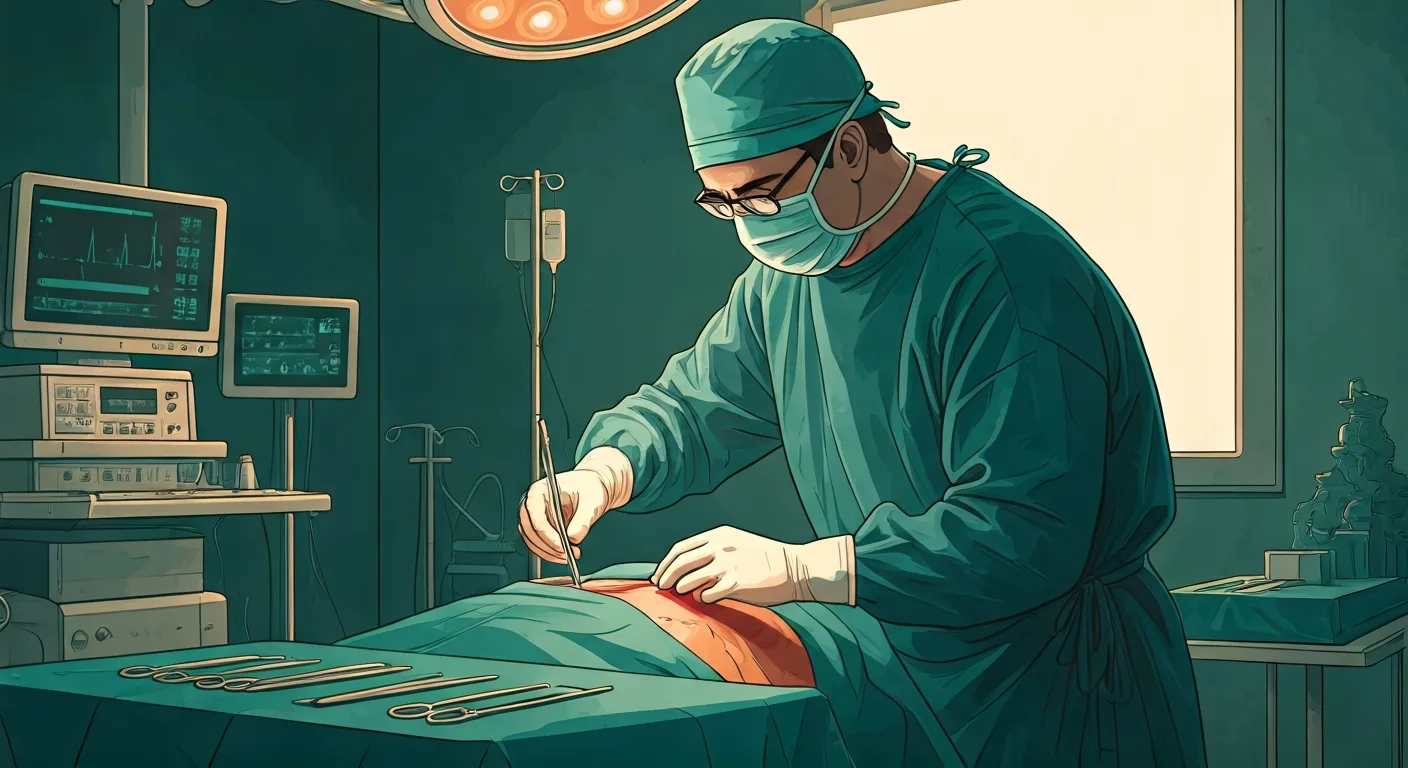
Operates on the heart, lungs, and chest structures to treat conditions like coronary artery disease, valve disorders, and thoracic cancers. Performs complex, life-saving procedures under extreme precision, utilizing advanced surgical techniques and technology. Manages critically ill patients before, during, and after surgery, often leading a multidisciplinary team.
Directly saves and improves the lives of patients suffering from severe heart and lung conditions, offering critical interventions that restore health and extend lifespan. Contributes to medical advancement through surgical innovation and research.
On the job
- Perform highly complex open-heart, lung, and esophageal surgeries.
- Diagnose and evaluate patients with cardiac and thoracic conditions, determining appropriate surgical interventions.
- Lead and coordinate surgical teams during operations, ensuring adherence to sterile technique and patient safety protocols.
- Manage post-operative care, including monitoring patient recovery and addressing complications.
- Consult with other medical specialists to develop comprehensive treatment plans for complex cases.
Tools & technology
Average salary
Job outlook
ExcellentNew job opportunities are highly likely. Demand significantly outpaces supply in most markets.
Education & training
Requires an extensive educational path including a bachelor's degree, medical school (M.D. or D.O.), general surgery residency, and a specialized cardiothoracic surgery fellowship.
AI impact outlook
Note — this is our current view. AI is moving fast, so we revisit these ratings.
Show how this was assessed Hide the detail
Note — this is our current view. AI is moving fast, so we revisit these ratings.
Show how this was assessed Hide the detailWhy this role received this rating
Core task exposure
low
How much of the role’s important work could AI perform?
AI can significantly aid in diagnostic interpretation and complex surgical planning, but not the physical act of open-heart or lung surgery.
End-to-end automation
low
Can AI complete the work without substantial human involvement?
Autonomous end-to-end performance of complex cardiothoracic surgery by AI is currently unimaginable and not a foreseeable development.
Adoption pressure
low
How likely are employers to introduce AI into this work?
High risk aversion and stringent regulatory hurdles limit rapid adoption for critical surgical steps, prioritizing human oversight and control.
Human dependence
strong
How much does success depend on human judgement, relationships and accountability?
Life-and-death decisions, intricate manual skill, and leadership demand ultimate human judgment and direct accountability for patient outcomes.
Protective — a higher rating lowers the overall score.
Role adaptability
strong
How easily can the role evolve as AI takes on more tasks?
The role requires continuous learning of new techniques, integration of advanced technologies like robotics, and adaptation to evolving medical knowledge.
Shown for context — not part of the score.
What AI may take on
These are the parts of the role most likely to be automated or significantly accelerated.
- Analyzing advanced imaging (CT, MRI) for subtle anomalies
- Optimizing pre-surgical planning and identifying optimal approaches
- Predicting patient risk profiles and surgical outcomes
- Synthesizing patient data for comprehensive diagnostic reports
- Automating certain aspects of electronic medical record documentation
Where people remain essential
These parts continue to depend heavily on human judgement, relationships and accountability.
- Performing highly complex open-heart, lung, and esophageal surgeries
- Leading and coordinating surgical teams in the operating room
- Making real-time, adaptive decisions during unforeseen surgical complications
- Managing critically ill patients before, during, and after surgery
- Consulting with other medical specialists for comprehensive treatment plans
- Obtaining informed consent and managing patient and family expectations
How the role may evolve
Surgical planning enhanced, critical execution unchanged.
The surgeon will increasingly rely on AI for advanced diagnostic insights and pre-operative modeling, freeing cognitive load for the demanding physical and adaptive aspects of surgery.
Strengthen your future fit
- Mastering advanced robotic-assisted surgical techniques
- Developing expertise in interpreting AI-generated diagnostic insights
- Enhancing leadership and multidisciplinary team coordination skills
- Cultivating extreme precision and adaptability in manual surgical execution
- Deepening patient communication and ethical decision-making abilities
- Assessment horizon
- 3–7 years
- Confidence
- High
- Last reviewed
- August 2026
- Methodology
- v1.0
This assessment reflects current AI capabilities and expected adoption patterns. Actual impacts will vary by industry, employer and the way each role is performed.
Career pathways
WHERE YOU COULD GO
CURRENT ROLE
Cardiothoracic Surgeon
Medical & Clinical
ADJACENT MOVES
STARTING POINTS
Who thrives here
Interest profile
investigative · IRE
Individuals who thrive on intellectual challenge, precise problem-solving, and the application of scientific knowledge in a highly practical and impactful setting often find fulfillment as a Cardiothoracic Surgeon.
Personality characteristics
Conscientious
Demonstrates exceptional attention to detail, precision, and adherence to surgical protocols, crucial for patient safety.
Composed
Maintains calm and effectiveness under extreme pressure and in critical, high-stakes surgical environments.
Inquisitive
Driven by a deep curiosity to understand complex medical conditions and continuously learn new surgical techniques.
Team-Oriented
Collaborates effectively with surgical teams, nurses, and other specialists, valuing collective effort for patient care.
Decisive
Capable of making rapid, critical decisions in the operating room while managing ambiguous and evolving situations.
Best for
- Individuals with exceptional manual dexterity, intellectual curiosity, and a strong drive to master complex medical challenges.
- Professionals who thrive in high-pressure, critical environments and are committed to continuous learning.
- Those motivated by direct, impactful contributions to patient health and well-being.
Watch out for
- Demanding schedule with long hours, unpredictable emergencies, and regular weekend/on-call duties.
- High-pressure environment with significant responsibility for patient lives, leading to considerable stress.
- Extensive and rigorous training pathway requiring years of dedication and sacrifice.
A week in the life
A representative working week for a Cardiothoracic Surgeon — where the deep work, meetings, and admin actually land.
Real people. Real results.
Thousands of people
can't be wrong.





Frequently asked questions about Cardiothoracic Surgeon roles
What does a Cardiothoracic Surgeon do?
A Cardiothoracic Surgeon operates on the heart, lungs, and chest structures to treat conditions like coronary artery disease, valve disorders, and thoracic cancers. Performs complex, life-saving procedures under extreme precision, utilizing advanced surgical techniques and technology. Manages critically ill patients before, during, and after surgery, often leading a multidisciplinary team. Directly saves and improves the lives of patients suffering from severe heart and lung conditions, offering critical interventions that restore health and extend lifespan. Contributes to medical advancement through surgical innovation and research.
How much does a Cardiothoracic Surgeon earn?
A Cardiothoracic Surgeon earns a median of $500,000 per year in the US, typically ranging from $350,000 to $750,000.
What qualifications do you need to become a Cardiothoracic Surgeon?
To become a Cardiothoracic Surgeon, requires an extensive educational path including a bachelor's degree, medical school (M.D. or D.O.), general surgery residency, and a specialized cardiothoracic surgery fellowship. State Medical License.
What personality suits a Cardiothoracic Surgeon?
Cardiothoracic Surgeon roles tend to suit people who are highly conscientious — precise, organised and strong on follow-through (Conscientiousness 90/100) and steady under pressure — deadlines and setbacks do not rattle them easily (Emotional Stability 68/100). The traits that matter most in the role are Conscientious, Composed, Inquisitive and Team-Oriented. Demonstrates exceptional attention to detail, precision, and adherence to surgical protocols, crucial for patient safety. On interests, Cardiothoracic Surgeon maps to an IRE Holland Code profile — individuals who thrive on intellectual challenge, precise problem-solving, and the application of scientific knowledge in a highly practical and impactful setting often find fulfillment as a Cardiothoracic Surgeon.
Who does a Cardiothoracic Surgeon role suit?
A Cardiothoracic Surgeon role is usually a strong fit for these reasons. High Intellectual and Realistic affinity: rewards deep scientific knowledge, precise manual skills, and practical problem-solving. Requires extreme conscientiousness and emotional stability, crucial for high-stakes medical procedures. Offers direct, life-saving impact, appealing to those motivated by tangible positive patient outcomes.
What are the downsides of being a Cardiothoracic Surgeon?
Cardiothoracic Surgeon roles come with trade-offs worth weighing up. Demanding schedule with long hours, unpredictable emergencies, and regular weekend/on-call duties. High-pressure environment with significant responsibility for patient lives, leading to considerable stress. Extensive and rigorous training pathway requiring years of dedication and sacrifice.
What is the work environment like for a Cardiothoracic Surgeon?
Work as a Cardiothoracic Surgeon is mostly clinical-based with onsite arrangements common, highly structured, with set processes and deadlines and high exposure to clients or stakeholders. Around 61% of the week is focused deep work.
What skills do you need to be a Cardiothoracic Surgeon?
Core skills for a Cardiothoracic Surgeon include Advanced Surgical Techniques, Critical Care Management, Diagnostic Interpretation, Team Leadership, Patient Communication and Surgical Precision.
How do you become a Cardiothoracic Surgeon?
Common entry routes into Cardiothoracic Surgeon roles include Medical Student, General Surgery Resident and Cardiology Fellow.
What career progression is there for a Cardiothoracic Surgeon?
From a Cardiothoracic Surgeon role, common next steps include Chief of Cardiothoracic Surgery and Medical Director; lateral moves include Surgical Researcher.
What is the job outlook for Cardiothoracic Surgeon roles?
The outlook for Cardiothoracic Surgeon roles is currently rated excellent. New job opportunities are highly likely. Demand significantly outpaces supply in most markets.
Will AI replace Cardiothoracic Surgeon roles?
Traitstack rates automation risk for Cardiothoracic Surgeon roles at 16 out of 100, which is low. While AI will significantly enhance surgical planning and diagnostic interpretation, the critical, real-time manual execution of complex procedures remains firmly with the human surgeon. AI is most likely to take on analyzing advanced imaging (ct, mri) for subtle anomalies, optimizing pre-surgical planning and identifying optimal approaches and predicting patient risk profiles and surgical outcomes. Performing highly complex open-heart, lung, and esophageal surgeries, leading and coordinating surgical teams in the operating room and making real-time, adaptive decisions during unforeseen surgical complications stay with people. Surgical planning enhanced, critical execution unchanged. That score measures how much of the work could change, not the likelihood the job disappears. It is Traitstack's current view, revisited as AI capability moves.