Automotive Electrician
SOC 49-2096.00 · ESCO 7412 · OSCA 351231
Role snapshot
Overview
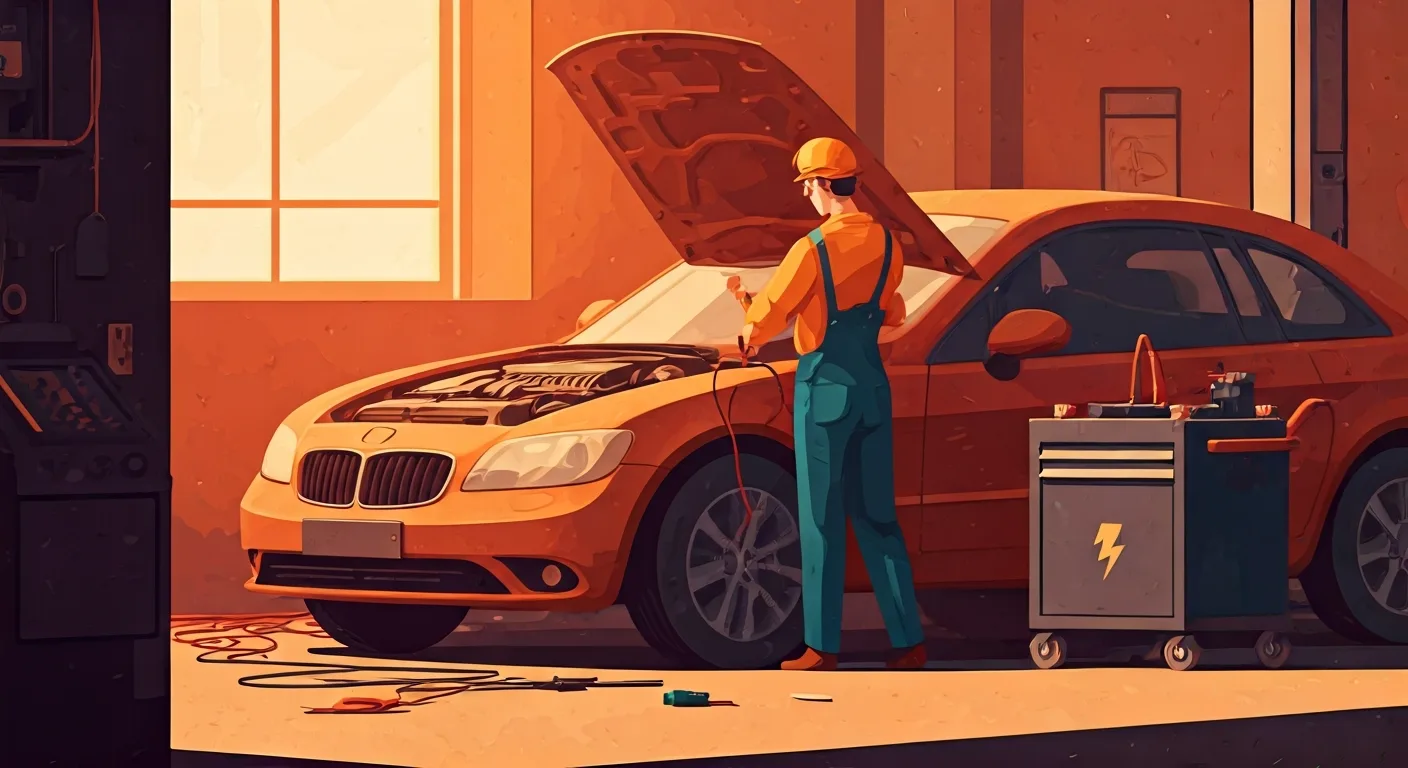
Diagnoses and repairs electrical and electronic systems in cars, trucks, and other vehicles, including wiring, batteries, lighting, and engine management computers. Uses diagnostic scanners and circuit testing equipment to identify faults, perform repairs, and ensure proper functionality of complex vehicle systems. This role requires precision, problem-solving skills, and a deep understanding of automotive electronics.
Ensures the safe and reliable operation of vehicles by maintaining and repairing critical electrical and electronic components, contributing to vehicle performance and driver safety.
On the job
- Diagnose electrical system malfunctions using diagnostic equipment and technical manuals
- Repair or replace faulty wiring, alternators, starters, batteries, and other electrical components
- Install and service automotive electronic systems such as navigation, security, and infotainment
- Perform routine maintenance on electrical systems and conduct pre-delivery inspections
- Interpret complex wiring diagrams and technical specifications
Tools & technology
Average salary
Job outlook
StableDemand is steady. This is an established role with consistent hiring across sectors.
Education & training
Post-secondary certificate, diploma, or associate's degree in automotive technology, electrical systems, or a related field. Apprenticeships are also common.
AI impact outlook
Note — this is our current view. AI is moving fast, so we revisit these ratings.
Show how this was assessed Hide the detail
Note — this is our current view. AI is moving fast, so we revisit these ratings.
Show how this was assessed Hide the detailWhy this role received this rating
Core task exposure
moderate
How much of the role’s important work could AI perform?
Interpreting complex diagnostic data and fault prediction are highly exposed to AI, but physical electrical work is less so.
End-to-end automation
low
Can AI complete the work without substantial human involvement?
Physical tracing, component replacement, and hands-on testing in confined vehicle spaces prevent full workflow automation.
Adoption pressure
high
How likely are employers to introduce AI into this work?
High pressure from manufacturers and owners for advanced diagnostics and predictive maintenance integration will drive AI adoption.
Human dependence
strong
How much does success depend on human judgement, relationships and accountability?
Success relies on interpreting complex diagnostic outputs, meticulous physical repairs, ensuring safety with high-voltage systems, and problem-solving.
Protective — a higher rating lowers the overall score.
Role adaptability
strong
How easily can the role evolve as AI takes on more tasks?
The role requires continuous adaptation to rapidly evolving vehicle electronics, software, and electric vehicle technologies.
Shown for context — not part of the score.
What AI may take on
These are the parts of the role most likely to be automated or significantly accelerated.
- Interpreting complex diagnostic scan tool data
- Predicting potential electrical faults based on vehicle history
- Analyzing wiring diagrams and identifying circuit issues
- Guiding through complex troubleshooting steps
- Assisting with software updates for vehicle electronic systems
Where people remain essential
These parts continue to depend heavily on human judgement, relationships and accountability.
- Performing precise physical tracing and repair of wiring harnesses
- Replacing faulty alternators, starters, and other electrical components
- Diagnosing intermittent electrical problems not flagged by AI
- Working safely with high-voltage systems in electric vehicles
- Installing and integrating aftermarket electronic systems
- Calibrating complex sensor arrays and control modules
How the role may evolve
AI-driven troubleshooting. Human expertise in complex circuit repair and EV systems.
Automotive electricians will increasingly leverage AI for initial fault identification, dedicating their expertise to intricate physical repairs, troubleshooting complex circuit anomalies, and specializing in the unique electrical demands of hybrid and electric vehicles.
Strengthen your future fit
- Mastering advanced diagnostic software and data analysis
- Developing deep expertise in electric and hybrid vehicle electrical systems
- Enhancing precision soldering and wiring repair skills
- Cultivating strong problem-solving for non-standard issues
- Staying current with rapidly evolving vehicle electronic architectures
- Assessment horizon
- 3–7 years
- Confidence
- High
- Last reviewed
- August 2026
- Methodology
- v1.0
This assessment reflects current AI capabilities and expected adoption patterns. Actual impacts will vary by industry, employer and the way each role is performed.
Career pathways
WHERE YOU COULD GO
CURRENT ROLE
Automotive Electrician
Skilled Trades
ADJACENT MOVES
STARTING POINTS
Who thrives here
Interest profile
realistic · RCI
Individuals who enjoy hands-on work with mechanical and electrical systems, applying systematic approaches to solve complex technical problems, and continuously learning about new technologies tend to excel in this role.
Personality characteristics
Methodical
Approaches complex electrical systems and diagnostic procedures with a systematic and precise methodology.
Detail-oriented
Pays close attention to intricate wiring, diagnostic codes, technical specifications, and specific repair steps.
Practical problem-solver
Enjoys figuring out how things work and fixing tangible mechanical and electrical issues in a hands-on environment.
Composed under pressure
Remains calm and focused when troubleshooting difficult, intermittent, or urgent electrical problems.
Curious about technology
Driven to understand the latest automotive electronic systems, diagnostic tools, and evolving vehicle technologies.
Best for
- Individuals who thrive on technical challenges and enjoy practical application of knowledge.
- Those who appreciate precision, systematic work, and the satisfaction of fixing things.
- People who are comfortable with continuous learning in a rapidly evolving technological field.
Watch out for
- The work can be physically demanding and requires working in various positions.
- Dealing with complex, intermittent faults can be frustrating and require persistence.
A week in the life
A representative working week for an Automotive Electrician — where the deep work, meetings, and admin actually land.
Real people. Real results.
Thousands of people
can't be wrong.




Frequently asked questions about Automotive Electrician roles
What does an Automotive Electrician do?
An Automotive Electrician diagnoses and repairs electrical and electronic systems in cars, trucks, and other vehicles, including wiring, batteries, lighting, and engine management computers. Uses diagnostic scanners and circuit testing equipment to identify faults, perform repairs, and ensure proper functionality of complex vehicle systems. This role requires precision, problem-solving skills, and a deep understanding of automotive electronics. Ensures the safe and reliable operation of vehicles by maintaining and repairing critical electrical and electronic components, contributing to vehicle performance and driver safety.
How much does an Automotive Electrician earn?
An Automotive Electrician earns a median of $60,000 per year in the US, typically ranging from $45,000 to $80,000.
What qualifications do you need to become an Automotive Electrician?
To become an Automotive Electrician, post-secondary certificate, diploma, or associate's degree in automotive technology, electrical systems, or a related field. Apprenticeships are also common. State-specific automotive repair certifications (e.g., ASE certification in Electrical/Electronic Systems).
What personality suits an Automotive Electrician?
Automotive Electrician roles tend to suit people who are highly conscientious — precise, organised and strong on follow-through (Conscientiousness 80/100) and steady under pressure — deadlines and setbacks do not rattle them easily (Emotional Stability 72/100). The traits that matter most in the role are Methodical, Detail-oriented, Practical problem-solver and Composed under pressure. Approaches complex electrical systems and diagnostic procedures with a systematic and precise methodology. On interests, Automotive Electrician maps to a RCI Holland Code profile — individuals who enjoy hands-on work with mechanical and electrical systems, applying systematic approaches to solve complex technical problems, and continuously learning about new technologies tend to excel in this role.
Who does an Automotive Electrician role suit?
An Automotive Electrician role is usually a strong fit for these reasons. High Realistic (R) and Conventional (C) alignment: the role is hands-on, requires systematic problem-solving, and adherence to technical standards. A significant portion of the week is dedicated to deep work focused on intricate diagnostics and repairs. The role rewards individuals who enjoy continuous learning about new technologies and complex systems.
What are the downsides of being an Automotive Electrician?
Automotive Electrician roles come with trade-offs worth weighing up. The work can be physically demanding and requires working in various positions. Dealing with complex, intermittent faults can be frustrating and require persistence.
What is the work environment like for an Automotive Electrician?
Work as an Automotive Electrician is mostly workshop-based with onsite arrangements common, semi-structured — a mix of set processes and self-directed work, a moderate pace and medium exposure to clients or stakeholders. Around 65% of the week is focused deep work.
What skills do you need to be an Automotive Electrician?
Core skills for an Automotive Electrician include Electrical diagnostics, Circuit repair, Automotive electronics, Technical troubleshooting and Automotive safety protocols.
How do you become an Automotive Electrician?
Common entry routes into Automotive Electrician roles include Automotive Mechanic Apprentice, Automotive Technician Trainee and Electronics Assembly Technician.
What career progression is there for an Automotive Electrician?
From an Automotive Electrician role, common next steps include Lead Automotive Electrician and Shop Foreman/Manager; lateral moves include Automotive Instructor and Field Service Technician.
What is the job outlook for Automotive Electrician roles?
The outlook for Automotive Electrician roles is currently rated stable. Demand is steady. This is an established role with consistent hiring across sectors.
Will AI replace Automotive Electrician roles?
Traitstack rates automation risk for Automotive Electrician roles at 45 out of 100, which is moderate. Intricate physical repairs and high-voltage system work will increasingly define the human role as AI handles advanced diagnostics and wiring analysis. AI is most likely to take on interpreting complex diagnostic scan tool data, predicting potential electrical faults based on vehicle history and analyzing wiring diagrams and identifying circuit issues. Performing precise physical tracing and repair of wiring harnesses, replacing faulty alternators, starters, and other electrical components and diagnosing intermittent electrical problems not flagged by ai stay with people. AI-driven troubleshooting. Human expertise in complex circuit repair and EV systems. That score measures how much of the work could change, not the likelihood the job disappears. It is Traitstack's current view, revisited as AI capability moves.