Apiarist
SOC 45-2093.00 · ESCO 1311 · OSCA 152931
Role snapshot
Overview
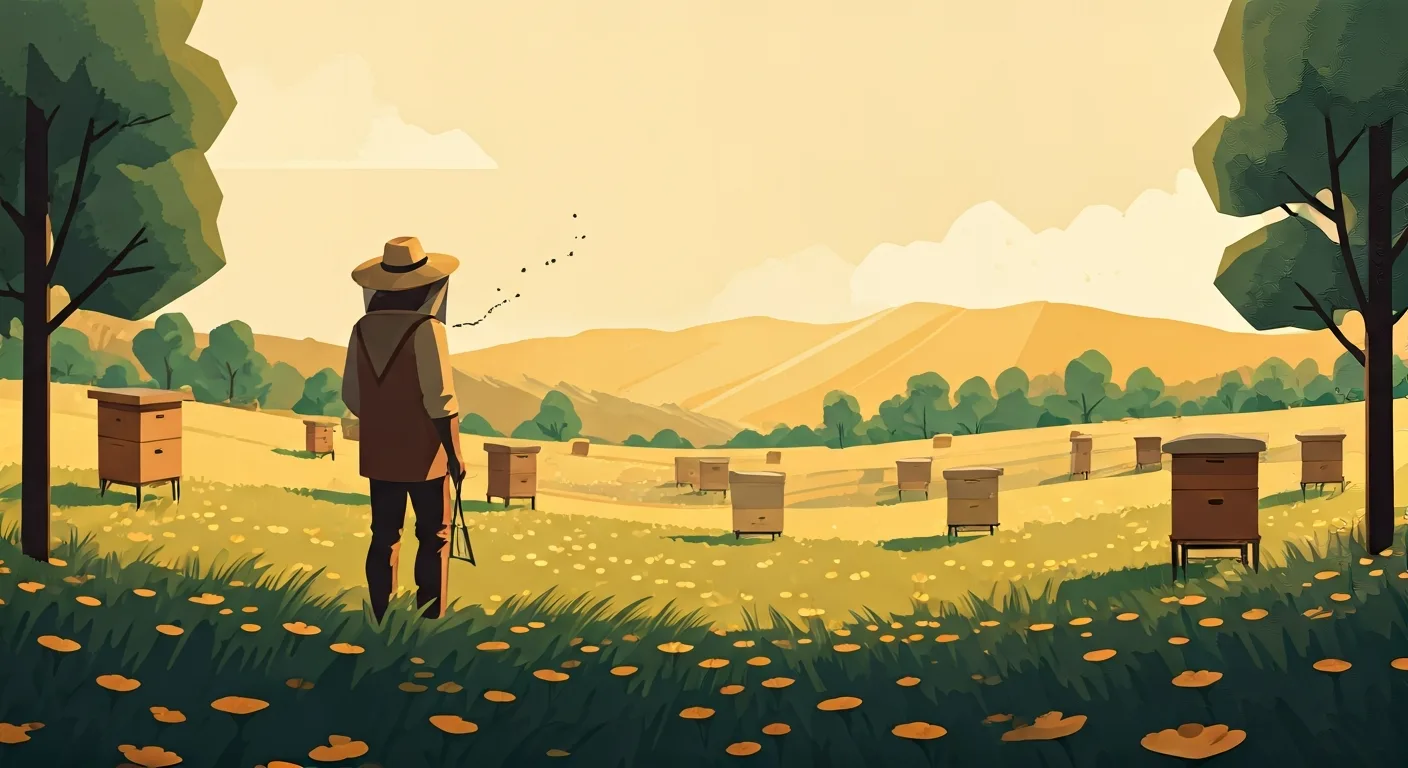
Tends colonies of honeybees, inspecting hives for disease and queen health, harvesting honey and beeswax, and relocating hives to follow seasonal flowering patterns. Combines careful observation of bee behaviour with physical outdoor work and product processing. This role requires a deep understanding of bee biology, environmental factors, and sustainable practices.
Contributes to agricultural ecosystems through pollination, produces natural food products like honey and beeswax, and supports biodiversity.
On the job
- Inspect beehives regularly for signs of disease, pests, and queen health
- Manage bee colonies, including splitting hives, re-queening, and swarm prevention
- Harvest honey, beeswax, and other bee products, ensuring quality and purity
- Relocate hives to different agricultural areas for pollination services or seasonal foraging
- Maintain beekeeping equipment and process bee products for sale
Tools & technology
Average salary
Job outlook
StableDemand is steady. This is an established role with consistent hiring across sectors.
Education & training
Formal training in apiculture or agricultural science is beneficial, though extensive practical experience can also qualify an apiarist.
AI impact outlook
Note — this is our current view. AI is moving fast, so we revisit these ratings.
Show how this was assessed Hide the detail
Note — this is our current view. AI is moving fast, so we revisit these ratings.
Show how this was assessed Hide the detailWhy this role received this rating
Core task exposure
low
How much of the role’s important work could AI perform?
AI can assist with remote hive monitoring for disease and queen health, but the physical manipulation of hives and harvesting are less exposed.
End-to-end automation
low
Can AI complete the work without substantial human involvement?
The physical interaction with bees, nuanced observation, and adaptation to environmental factors make end-to-end automation exceedingly difficult.
Adoption pressure
low
How likely are employers to introduce AI into this work?
The traditional nature of beekeeping, combined with the high capital cost and technical complexity of automating bee manipulation, results in low adoption pressure.
Human dependence
strong
How much does success depend on human judgement, relationships and accountability?
Success relies heavily on deep biological understanding, meticulous physical handling, interpreting subtle bee behavior, and adapting to dynamic environmental conditions.
Protective — a higher rating lowers the overall score.
Role adaptability
low
How easily can the role evolve as AI takes on more tasks?
While apiarists can integrate new monitoring technologies, the core physical and observational skills remain central to the role, limiting radical reshaping.
Shown for context — not part of the score.
What AI may take on
These are the parts of the role most likely to be automated or significantly accelerated.
- Remote monitoring of hive internal conditions (temperature, humidity, acoustics)
- Image analysis for identifying pests or disease in bee colonies
- Predictive modeling for optimal honey flow and harvesting times
- Automated record-keeping of hive inspections and treatments
- Identifying changes in bee behavior indicating stress or swarming
Where people remain essential
These parts continue to depend heavily on human judgement, relationships and accountability.
- Physically inspecting hives for signs of disease, pests, and queen health
- Carefully manipulating bee colonies (splitting, re-queening)
- Harvesting honey and beeswax with precision and care
- Relocating hives to follow seasonal flowering patterns
- Adapting management strategies based on direct observation of bee behavior
- Maintaining beekeeping equipment and processing bee products
How the role may evolve
AI for insights, human for hands-on hive management.
Apiarists will use AI to gain data-driven insights into hive health, allowing them to refine their physical interventions and focus on the nuanced art of bee management.
Strengthen your future fit
- Interpreting data from smart hive monitoring systems
- Advanced understanding of bee biology and pathology
- Sustainable beekeeping practices and environmental stewardship
- Problem-solving for complex hive health issues
- Physical dexterity and precision in hive manipulation
- Assessment horizon
- 3–7 years
- Confidence
- High
- Last reviewed
- August 2026
- Methodology
- v1.0
This assessment reflects current AI capabilities and expected adoption patterns. Actual impacts will vary by industry, employer and the way each role is performed.
Career pathways
WHERE YOU COULD GO
CURRENT ROLE
Apiarist
Agriculture & Food
ADJACENT MOVES
STARTING POINTS
Who thrives here
Interest profile
realistic · RCI
People who enjoy practical, hands-on work with animals and nature, combined with analytical problem-solving and systematic organization, tend to thrive as apiarists.
Personality characteristics
Observant
Keenly notices subtle changes in bee behavior, hive health, and environmental conditions.
Methodical
Approaches hive inspections and management with systematic processes to ensure consistency and prevent issues.
Independent
Comfortable working alone for extended periods and making decisions autonomously in the field.
Patient
Handles bees calmly and understands that results often require time and careful nurturing.
Resilient
Manages unexpected challenges like disease outbreaks or adverse weather without becoming overly stressed.
Analytical
Uses knowledge of bee biology and environmental science to diagnose problems and plan interventions.
Best for
- Individuals passionate about environmental stewardship and sustainable agriculture
- Those who enjoy detailed, hands-on work with animals and a deep connection to nature
- People who can work independently and solve problems analytically in a dynamic environment
Watch out for
- Requires significant outdoor work in various weather conditions and physical exertion
- Often involves solitary work, which might not suit those who prefer constant team interaction
A week in the life
A representative working week for an Apiarist — where the deep work, meetings, and admin actually land.
Real people. Real results.
Thousands of people
can't be wrong.
Frequently asked questions about Apiarist roles
What does an Apiarist do?
An Apiarist tends colonies of honeybees, inspecting hives for disease and queen health, harvesting honey and beeswax, and relocating hives to follow seasonal flowering patterns. Combines careful observation of bee behaviour with physical outdoor work and product processing. This role requires a deep understanding of bee biology, environmental factors, and sustainable practices. Contributes to agricultural ecosystems through pollination, produces natural food products like honey and beeswax, and supports biodiversity.
How much does an Apiarist earn?
An Apiarist earns a median of $55,000 per year in the US, typically ranging from $35,000 to $80,000.
What qualifications do you need to become an Apiarist?
To become an Apiarist, formal training in apiculture or agricultural science is beneficial, though extensive practical experience can also qualify an apiarist.
What personality suits an Apiarist?
Apiarist roles tend to suit people who are highly conscientious — precise, organised and strong on follow-through (Conscientiousness 75/100) and steady under pressure — deadlines and setbacks do not rattle them easily (Emotional Stability 70/100). The traits that matter most in the role are Observant, Methodical, Independent and Patient. Keenly notices subtle changes in bee behavior, hive health, and environmental conditions. On interests, Apiarist maps to a RCI Holland Code profile — people who enjoy practical, hands-on work with animals and nature, combined with analytical problem-solving and systematic organization, tend to thrive as apiarists.
Who does an Apiarist role suit?
An Apiarist role is usually a strong fit for these reasons. Strong Realistic affinity: the role is very hands-on, requiring direct interaction with physical equipment and living organisms in an outdoor setting. High Conscientiousness is key for the detailed and systematic approach needed for hive health and management. The Investigative aspect involves constant learning and problem-solving related to bee biology and environmental factors.
What are the downsides of being an Apiarist?
Apiarist roles come with trade-offs worth weighing up. Requires significant outdoor work in various weather conditions and physical exertion. Often involves solitary work, which might not suit those who prefer constant team interaction.
What is the work environment like for an Apiarist?
Work as an Apiarist is mostly outdoors-based with onsite arrangements common, semi-structured — a mix of set processes and self-directed work, a moderate pace and medium exposure to clients or stakeholders.
What skills do you need to be an Apiarist?
Core skills for an Apiarist include Bee biology and health, Hive management techniques, Honey harvesting and processing, Pest and disease identification, Environmental observation and Equipment maintenance.
How do you become an Apiarist?
Common entry routes into Apiarist roles include Farm Worker, Agricultural Technician and Beekeeping Apprentice.
What career progression is there for an Apiarist?
From an Apiarist role, common next steps include Commercial Apiarist Manager and Agricultural Consultant (Apiculture); lateral moves include Entomologist.
What is the job outlook for Apiarist roles?
The outlook for Apiarist roles is currently rated stable. Demand is steady. This is an established role with consistent hiring across sectors.
Will AI replace Apiarist roles?
Traitstack rates automation risk for Apiarist roles at 25 out of 100, which is low. While AI might assist with remote hive monitoring for health issues, the physical management of bee colonies, harvesting, and relocation require hands-on human expertise and deep biological understanding. AI is most likely to take on remote monitoring of hive internal conditions (temperature, humidity, acoustics), image analysis for identifying pests or disease in bee colonies and predictive modeling for optimal honey flow and harvesting times. Physically inspecting hives for signs of disease, pests, and queen health, carefully manipulating bee colonies (splitting, re-queening) and harvesting honey and beeswax with precision and care stay with people. AI for insights, human for hands-on hive management. That score measures how much of the work could change, not the likelihood the job disappears. It is Traitstack's current view, revisited as AI capability moves.