Agricultural Mechanic
SOC 49-3041.00 · ESCO 7233 · OSCA 351431
Role snapshot
Overview
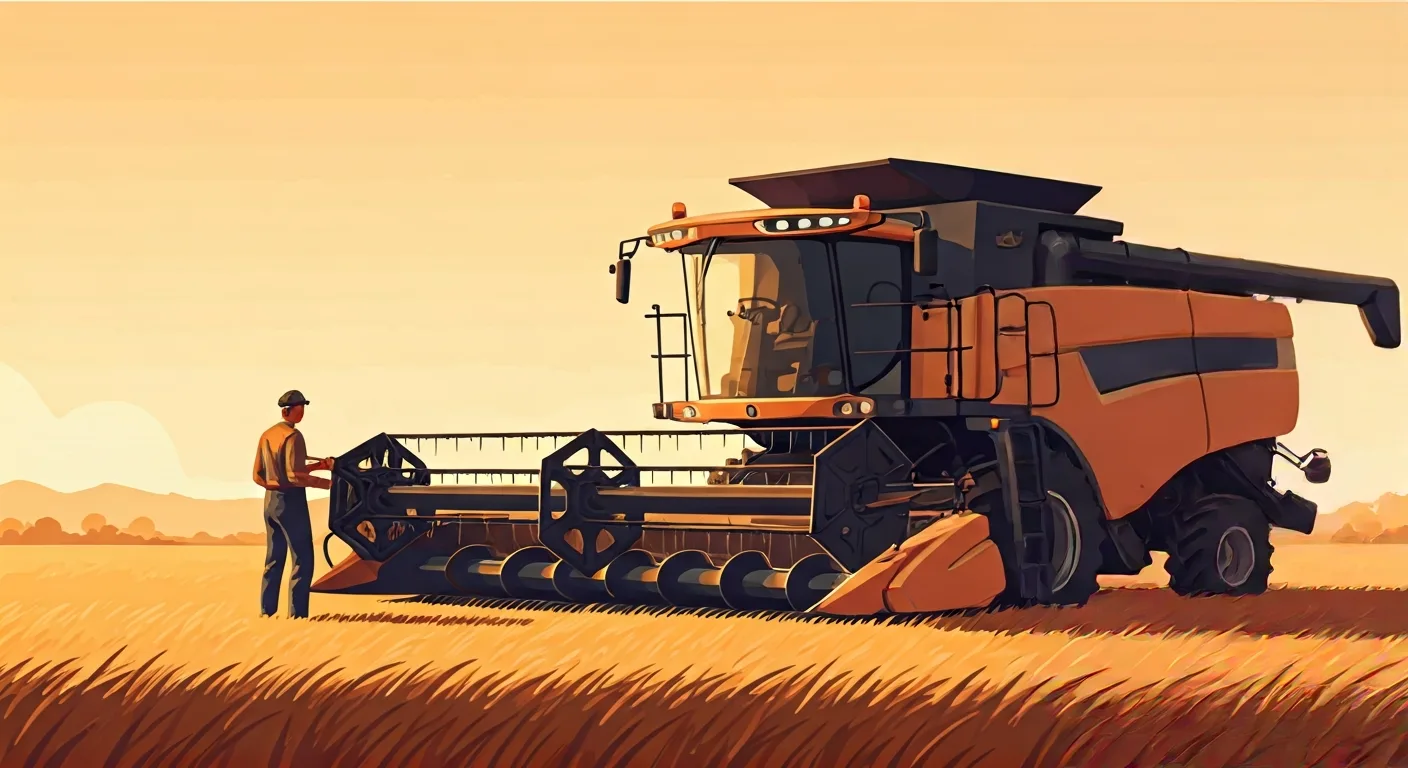
Services and repairs farm machinery such as tractors, harvesters, and irrigation pumps. Diagnoses mechanical and hydraulic faults in the workshop or in the field, and fabricates replacement parts when needed. This role is crucial for ensuring the operational readiness of agricultural equipment, which directly impacts farming productivity and efficiency.
Ensures the reliability and optimal performance of essential farm machinery, directly contributing to agricultural productivity, food production, and the economic viability of farming operations.
On the job
- Diagnose mechanical, hydraulic, and electrical problems in various farm equipment using diagnostic tools and technical manuals.
- Perform routine maintenance, such as oil changes, lubrication, and filter replacement, to prevent breakdowns.
- Repair or replace defective parts, including engines, transmissions, hydraulic systems, and electrical components.
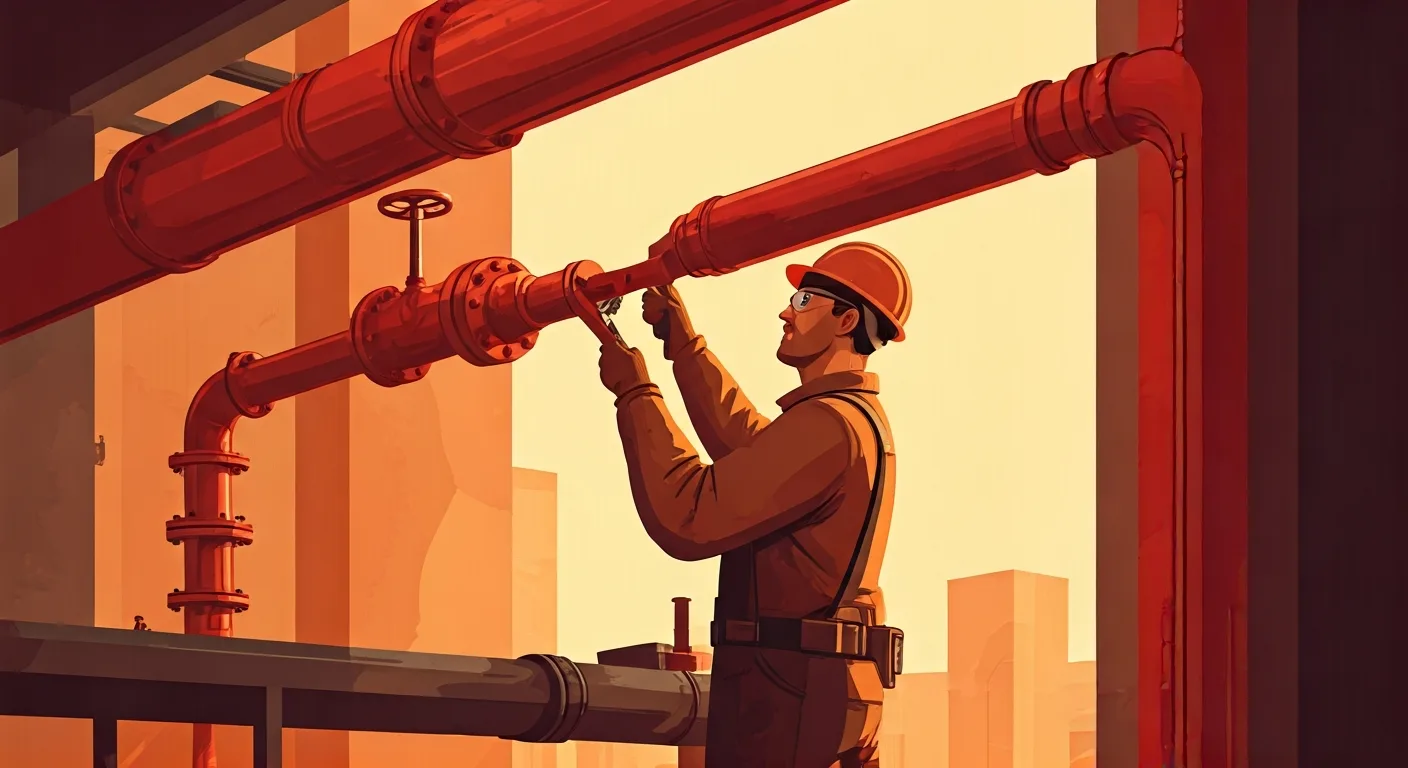
- Fabricate or modify parts using welding, machining, or other metalworking techniques.
- Test and adjust repaired equipment in the workshop or field to ensure proper functionality and safety.
Tools & technology
Average salary
Job outlook
StableDemand is steady. This is an established role with consistent hiring across sectors.
Education & training
Post-secondary vocational training or an associate's degree in diesel technology, agricultural equipment technology, or heavy equipment repair is typically required.
AI impact outlook
Note — this is our current view. AI is moving fast, so we revisit these ratings.
Show how this was assessed Hide the detail
Note — this is our current view. AI is moving fast, so we revisit these ratings.
Show how this was assessed Hide the detailWhy this role received this rating
Core task exposure
low
How much of the role’s important work could AI perform?
Diagnostic interpretation and routine maintenance scheduling could see some AI assistance, but physical repair is largely unexposed.
End-to-end automation
low
Can AI complete the work without substantial human involvement?
The physical tasks of repairing and fabricating parts for large, complex machinery in varied environments prevent end-to-end automation.
Adoption pressure
moderate
How likely are employers to introduce AI into this work?
While farmers are cost-conscious, the critical need for machinery uptime drives adoption of diagnostic tech, but not full repair automation.
Human dependence
strong
How much does success depend on human judgement, relationships and accountability?
Success relies heavily on a mechanic's field diagnosis, improvisation, safety judgement, complex physical skills, and client communication.
Protective — a higher rating lowers the overall score.
Role adaptability
moderate
How easily can the role evolve as AI takes on more tasks?
The role can readily adapt by incorporating new diagnostic technologies and evolving machinery, as well as new fabrication methods.
Shown for context — not part of the score.
What AI may take on
These are the parts of the role most likely to be automated or significantly accelerated.
- Interpreting diagnostic software outputs for common faults
- Scheduling routine maintenance based on usage data
- Identifying replacement parts from technical diagrams
- Optimizing repair sequences for efficiency
- Generating basic service reports
Where people remain essential
These parts continue to depend heavily on human judgement, relationships and accountability.
- Performing complex physical repairs on engines and hydraulic systems
- Fabricating custom replacement parts through welding and machining
- Diagnosing intermittent issues in the field without clear fault codes
- Testing and adjusting repaired equipment under real-world conditions
- Ensuring safety protocols are followed in hazardous environments
- Communicating repair needs and solutions to farmers
How the role may evolve
From reactive repair to predictive maintenance and complex physical intervention.
Mechanics will spend less time on basic diagnostics and more on advanced physical repairs, custom solutions, and interpreting complex system interactions for critical farm equipment.
Strengthen your future fit
- Mastering advanced diagnostic software and data analysis
- Developing expertise in hydraulic and electrical system troubleshooting
- Enhancing fabrication and welding skills for custom solutions
- Cultivating strong problem-solving abilities for unique field challenges
- Building robust communication skills for client relations and technical explanations
- Assessment horizon
- 3–7 years
- Confidence
- High
- Last reviewed
- August 2026
- Methodology
- v1.0
This assessment reflects current AI capabilities and expected adoption patterns. Actual impacts will vary by industry, employer and the way each role is performed.
Career pathways
WHERE YOU COULD GO
CURRENT ROLE
Agricultural Mechanic
Skilled Trades
ADJACENT MOVES
STARTING POINTS
Who thrives here
Interest profile
realistic · RCI
People who enjoy hands-on work, solving practical problems, and using logical, systematic approaches to repair complex machinery tend to thrive in this role.
Personality characteristics
Conscientious
Approaches diagnostics and repairs with a systematic, thorough, and reliable mindset, ensuring no detail is overlooked.
Practical
Enjoys working with tools and machinery to solve tangible problems, preferring hands-on solutions over theoretical ones.
Calm under pressure
Maintains composure and focus when facing complex breakdowns or urgent field repairs, even in challenging conditions.
Investigative
Possesses a strong curiosity to understand how things work and enjoys diagnosing the root cause of mechanical failures.
Cooperative
Works effectively with farmers, colleagues, and suppliers, communicating clearly about repairs and maintenance.
Best for
- Individuals who enjoy diagnosing and fixing complex mechanical, hydraulic, and electrical systems.
- Those who thrive in practical, hands-on environments and enjoy working with heavy machinery.
- People who are systematic problem-solvers and value contributing to essential industries like agriculture.
Watch out for
- Seasonal demands can lead to long and unpredictable hours, especially during planting and harvesting seasons.
- The work can be physically demanding, requiring strength, stamina, and exposure to various weather conditions.
- Requires continuous learning to keep up with evolving agricultural technology and complex diagnostic systems.
A week in the life
A representative working week for an Agricultural Mechanic — where the deep work, meetings, and admin actually land.
Real people. Real results.
Thousands of people
can't be wrong.



Frequently asked questions about Agricultural Mechanic roles
What does an Agricultural Mechanic do?
An Agricultural Mechanic services and repairs farm machinery such as tractors, harvesters, and irrigation pumps. Diagnoses mechanical and hydraulic faults in the workshop or in the field, and fabricates replacement parts when needed. This role is crucial for ensuring the operational readiness of agricultural equipment, which directly impacts farming productivity and efficiency. Ensures the reliability and optimal performance of essential farm machinery, directly contributing to agricultural productivity, food production, and the economic viability of farming operations.
How much does an Agricultural Mechanic earn?
An Agricultural Mechanic earns a median of $60,000 per year in the US, typically ranging from $45,000 to $75,000.
What qualifications do you need to become an Agricultural Mechanic?
To become an Agricultural Mechanic, post-secondary vocational training or an associate's degree in diesel technology, agricultural equipment technology, or heavy equipment repair is typically required.
What personality suits an Agricultural Mechanic?
Agricultural Mechanic roles tend to suit people who are highly conscientious — precise, organised and strong on follow-through (Conscientiousness 78/100) and steady under pressure — deadlines and setbacks do not rattle them easily (Emotional Stability 72/100). The traits that matter most in the role are Conscientious, Practical, Calm under pressure and Investigative. Approaches diagnostics and repairs with a systematic, thorough, and reliable mindset, ensuring no detail is overlooked. On interests, Agricultural Mechanic maps to a RCI Holland Code profile — people who enjoy hands-on work, solving practical problems, and using logical, systematic approaches to repair complex machinery tend to thrive in this role.
Who does an Agricultural Mechanic role suit?
An Agricultural Mechanic role is usually a strong fit for these reasons. High Realistic (R) affinity: the role is inherently hands-on, mechanical, and involves working with tools and equipment. Strong Conventional (C) and Investigative (I) alignment: requires systematic troubleshooting, adherence to technical specifications, and logical problem-solving. Opportunity for direct impact: your work directly enables farmers to operate efficiently and contribute to food production.
What are the downsides of being an Agricultural Mechanic?
Agricultural Mechanic roles come with trade-offs worth weighing up. Seasonal demands can lead to long and unpredictable hours, especially during planting and harvesting seasons. The work can be physically demanding, requiring strength, stamina, and exposure to various weather conditions. Requires continuous learning to keep up with evolving agricultural technology and complex diagnostic systems.
What is the work environment like for an Agricultural Mechanic?
Work as an Agricultural Mechanic is mostly mixed-based with hybrid arrangements common, semi-structured — a mix of set processes and self-directed work, a moderate pace and high exposure to clients or stakeholders. Around 46% of the week is focused deep work.
What skills do you need to be an Agricultural Mechanic?
Core skills for an Agricultural Mechanic include Mechanical diagnostics and troubleshooting, Hydraulic system repair and maintenance, Engine repair and overhaul (diesel and gasoline), Electrical system troubleshooting and repair, Welding and metal fabrication and Preventative maintenance planning.
How do you become an Agricultural Mechanic?
Common entry routes into Agricultural Mechanic roles include Vocational School Graduate, Apprentice Mechanic and Farm Hand With Mechanical Aptitude.
What career progression is there for an Agricultural Mechanic?
From an Agricultural Mechanic role, common next steps include Lead Agricultural Mechanic and Shop Manager (Agricultural Equipment); lateral moves include Heavy Equipment Mechanic and Diesel Engine Specialist.
What is the job outlook for Agricultural Mechanic roles?
The outlook for Agricultural Mechanic roles is currently rated stable. Demand is steady. This is an established role with consistent hiring across sectors.
Will AI replace Agricultural Mechanic roles?
Traitstack rates automation risk for Agricultural Mechanic roles at 32 out of 100, which is low. AI may assist with diagnostics and predictive maintenance, while the physical repair, custom fabrication, and field problem-solving remain human-led. AI is most likely to take on interpreting diagnostic software outputs for common faults, scheduling routine maintenance based on usage data and identifying replacement parts from technical diagrams. Performing complex physical repairs on engines and hydraulic systems, fabricating custom replacement parts through welding and machining and diagnosing intermittent issues in the field without clear fault codes stay with people. From reactive repair to predictive maintenance and complex physical intervention. That score measures how much of the work could change, not the likelihood the job disappears. It is Traitstack's current view, revisited as AI capability moves.