X-Ray Technician
SOC 29-2034.00 · ESCO 3211 · OSCA 263131
Role snapshot
Overview
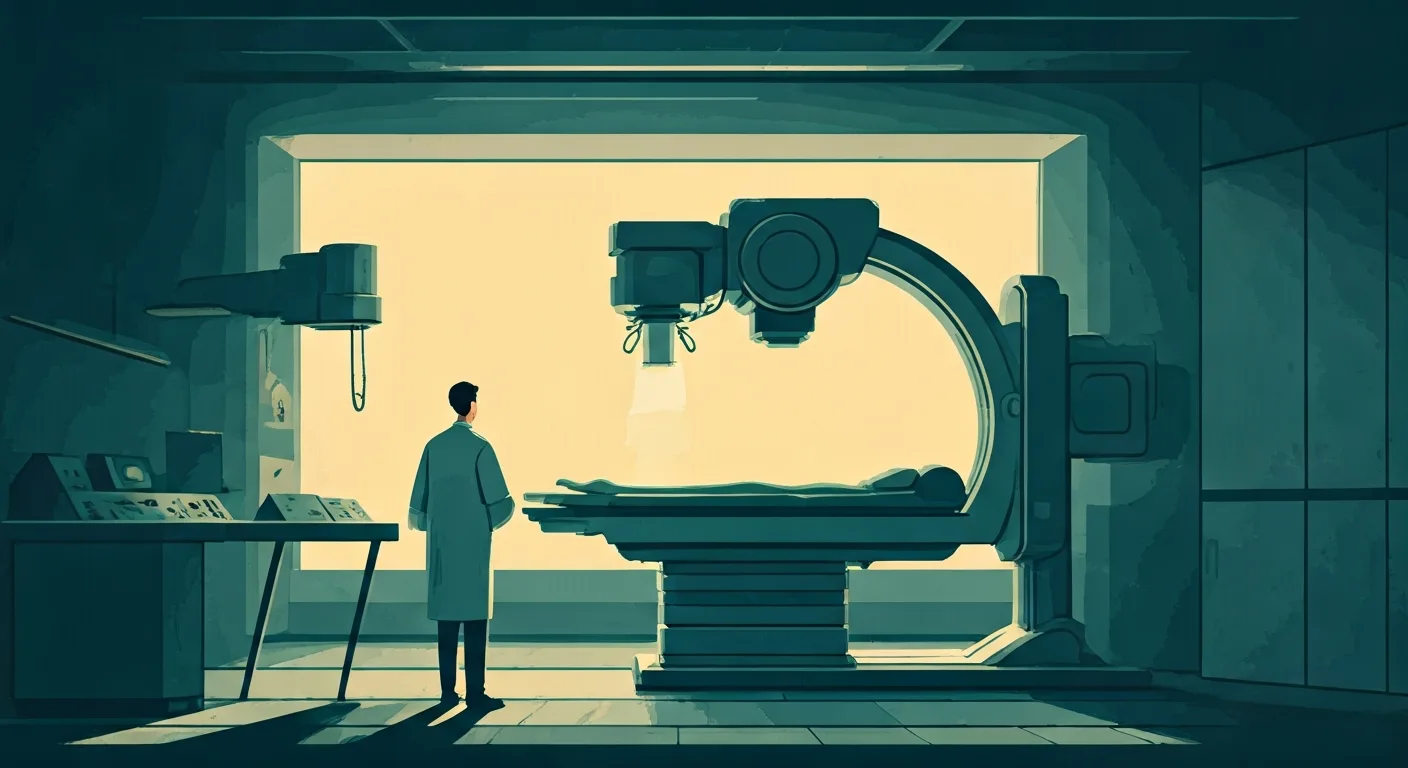
Operates X-ray equipment to produce diagnostic images of patients' bones and internal structures, positioning them carefully and following radiation safety protocols. X-Ray Technicians play a critical role in patient diagnosis and treatment planning by ensuring high-quality images are obtained safely and efficiently.
Provides essential diagnostic images that enable physicians to accurately diagnose injuries and diseases, directly contributing to effective patient care and treatment outcomes.
On the job
- Position patients correctly for X-ray procedures, ensuring comfort and image accuracy
- Operate and maintain X-ray equipment, adjusting settings for optimal image quality
- Adhere strictly to radiation safety protocols to protect patients and staff
- Maintain accurate patient records and image documentation
- Collaborate with radiologists and other healthcare professionals to ensure comprehensive patient care
Tools & technology
Average salary
Job outlook
GrowingJob growth is expected to be above average over the next five years.
Education & training
Associate's degree or certificate from an accredited radiologic technology program is typically required.
AI impact outlook
Note — this is our current view. AI is moving fast, so we revisit these ratings.
Show how this was assessed Hide the detail
Note — this is our current view. AI is moving fast, so we revisit these ratings.
Show how this was assessed Hide the detailWhy this role received this rating
Core task exposure
moderate
How much of the role’s important work could AI perform?
AI can assist with optimizing imaging parameters, performing initial technical quality checks, and streamlining documentation, but not image interpretation or physical patient interaction.
End-to-end automation
low
Can AI complete the work without substantial human involvement?
AI cannot autonomously position patients, operate X-ray equipment in a dynamic clinical setting, or ensure radiation safety, making full workflow automation impossible.
Adoption pressure
high
How likely are employers to introduce AI into this work?
Efficiency and diagnostic accuracy pressures are high, but strict radiation safety regulations and the need for direct patient contact limit end-to-end automation.
Human dependence
strong
How much does success depend on human judgement, relationships and accountability?
Critical for ensuring patient comfort and safety, adapting to individual needs, adhering to strict radiation protocols, and managing various patient conditions.
Protective — a higher rating lowers the overall score.
Role adaptability
strong
How easily can the role evolve as AI takes on more tasks?
The role can evolve by specializing in more advanced diagnostic imaging, becoming a patient advocate, or taking on greater responsibility in workflow optimization and quality control.
Shown for context — not part of the score.
What AI may take on
These are the parts of the role most likely to be automated or significantly accelerated.
- Optimizing X-ray exposure settings for specific patient anatomies
- Performing initial technical quality assessment of acquired images
- Streamlining patient record-keeping and image documentation
- Providing real-time feedback on patient positioning accuracy
- Scheduling and managing patient flow within the imaging department
Where people remain essential
These parts continue to depend heavily on human judgement, relationships and accountability.
- Physically positioning patients correctly and safely for X-ray procedures
- Operating and maintaining X-ray equipment in a clinical environment
- Ensuring strict adherence to radiation safety protocols for all involved
- Communicating empathetically with patients to alleviate anxiety and discomfort
- Adapting procedures for uncooperative or medically compromised patients
- Troubleshooting equipment issues and ensuring image clarity
- Collaborating with radiologists and other healthcare professionals for optimal results
How the role may evolve
Less focus on settings, more on patient care and critical safety protocols.
X-Ray Technicians will leverage AI for technical support, allowing them to dedicate more attention to direct patient interaction, ensuring comfort, and upholding the highest safety standards during imaging.
Strengthen your future fit
- Advanced patient communication and reassurance techniques
- Expertise in radiation safety and protection best practices
- Critical assessment of technical image quality
- Problem-solving for diverse patient presentations and equipment challenges
- Collaboration skills with radiologists and clinical teams
- Assessment horizon
- 3–7 years
- Confidence
- High
- Last reviewed
- August 2026
- Methodology
- v1.0
This assessment reflects current AI capabilities and expected adoption patterns. Actual impacts will vary by industry, employer and the way each role is performed.
Career pathways
WHERE YOU COULD GO
CURRENT ROLE
X-Ray Technician
Allied Health
ADJACENT MOVES
STARTING POINTS
Who thrives here
Interest profile
realistic · RCI
Individuals who enjoy hands-on technical work, precise adherence to protocols, and understanding how things work in a structured environment often find satisfaction in this role.
Personality characteristics
Conscientious
Meticulous attention to detail and strict adherence to safety protocols are paramount for accurate imaging and patient safety.
Agreeable
Possesses empathy and patience when interacting with diverse patients, ensuring their comfort and cooperation during procedures.
Calm under pressure
Maintains composure and professionalism when dealing with anxious patients or emergency situations.
Practical
Enjoys working with equipment and applying technical knowledge to perform specific, hands-on tasks.
Methodical
Follows established procedures and guidelines precisely to ensure consistent, high-quality results and regulatory compliance.
Best for
- Individuals who thrive in structured environments and enjoy operating technical equipment.
- Those dedicated to patient care and ensuring safety through precise execution of duties.
- People who value a clear career path in a growing healthcare field.
Watch out for
- The work is highly structured and procedural, with less room for creative or abstract problem-solving.
- Requires frequent exposure to patients in various states of health, including potentially difficult or emergency situations.
A week in the life
A representative working week for a X-Ray Technician — where the deep work, meetings, and admin actually land.
Real people. Real results.
Thousands of people
can't be wrong.





Frequently asked questions about X-Ray Technician roles
What does a X-Ray Technician do?
A X-Ray Technician operates X-ray equipment to produce diagnostic images of patients' bones and internal structures, positioning them carefully and following radiation safety protocols. X-Ray Technicians play a critical role in patient diagnosis and treatment planning by ensuring high-quality images are obtained safely and efficiently. Provides essential diagnostic images that enable physicians to accurately diagnose injuries and diseases, directly contributing to effective patient care and treatment outcomes.
How much does a X-Ray Technician earn?
A X-Ray Technician earns a median of $65,000 per year in the US, typically ranging from $48,000 to $85,000.
What qualifications do you need to become a X-Ray Technician?
To become a X-Ray Technician, associate's degree or certificate from an accredited radiologic technology program is typically required. State licensure.
What personality suits a X-Ray Technician?
X-Ray Technician roles tend to suit people who are highly conscientious — precise, organised and strong on follow-through (Conscientiousness 82/100) and warm and cooperative — tuned in to the people around them (Agreeableness 72/100). The traits that matter most in the role are Conscientious, Agreeable, Calm under pressure and Practical. Meticulous attention to detail and strict adherence to safety protocols are paramount for accurate imaging and patient safety. On interests, X-Ray Technician maps to a RCI Holland Code profile — individuals who enjoy hands-on technical work, precise adherence to protocols, and understanding how things work in a structured environment often find satisfaction in this role.
Who does a X-Ray Technician role suit?
A X-Ray Technician role is usually a strong fit for these reasons. Strong Realistic (R) and Conventional (C) alignment: the role is hands-on, procedural, and requires strict adherence to protocols. High Conscientiousness is critical for patient safety and image accuracy, aligning with the role's demands. The role involves direct patient interaction and teamwork, suitable for individuals with high Agreeableness.
What are the downsides of being a X-Ray Technician?
X-Ray Technician roles come with trade-offs worth weighing up. The work is highly structured and procedural, with less room for creative or abstract problem-solving. Requires frequent exposure to patients in various states of health, including potentially difficult or emergency situations.
What is the work environment like for a X-Ray Technician?
Work as a X-Ray Technician is mostly clinical-based with onsite arrangements common, highly structured, with set processes and deadlines, a moderate pace and high exposure to clients or stakeholders. Around 65% of the week is focused deep work.
What skills do you need to be a X-Ray Technician?
Core skills for a X-Ray Technician include Patient positioning, Radiation safety, Diagnostic imaging techniques, Anatomy and physiology and Patient care and communication.
How do you become a X-Ray Technician?
Common entry routes into X-Ray Technician roles include Radiologic Technology Student and Medical Assistant With Specialization.
What career progression is there for a X-Ray Technician?
From a X-Ray Technician role, common next steps include Senior Radiologic Technologist and Radiology Department Manager; lateral moves include CT Technologist and MRI Technologist.
What is the job outlook for X-Ray Technician roles?
The outlook for X-Ray Technician roles is currently rated growing. Job growth is expected to be above average over the next five years.
Will AI replace X-Ray Technician roles?
Traitstack rates automation risk for X-Ray Technician roles at 37 out of 100, which is low. The X-Ray Technician's hands-on patient care and precise image acquisition remain essential, even as AI increasingly optimizes equipment settings and initial quality checks. AI is most likely to take on optimizing x-ray exposure settings for specific patient anatomies, performing initial technical quality assessment of acquired images and streamlining patient record-keeping and image documentation. Physically positioning patients correctly and safely for x-ray procedures, operating and maintaining x-ray equipment in a clinical environment and ensuring strict adherence to radiation safety protocols for all involved stay with people. Less focus on settings, more on patient care and critical safety protocols. That score measures how much of the work could change, not the likelihood the job disappears. It is Traitstack's current view, revisited as AI capability moves.