Vehicle Detailer
SOC 53-7061.00 · ESCO 9122 · OSCA 811531
Role snapshot
Overview
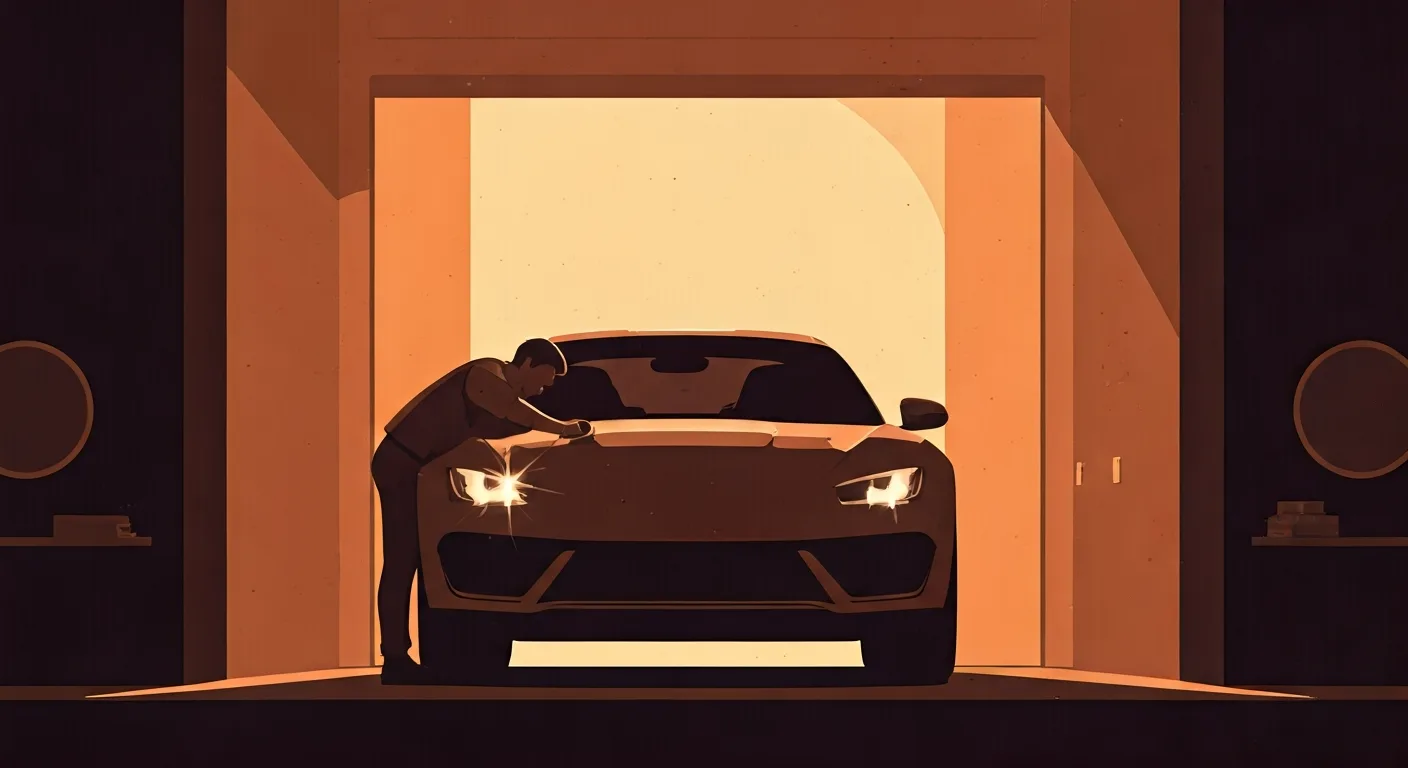
Thoroughly cleans, polishes, and restores the interior and exterior of cars, trucks, and other vehicles. This involves a meticulous process of washing, waxing, buffing, and applying protective coatings to achieve a pristine, showroom-quality finish, often using specialized tools and chemicals.
Ensures vehicles look their best, enhancing customer satisfaction, maintaining vehicle value, and creating a positive image for dealerships or car owners.
On the job
- Inspect vehicles for damage and dirt, preparing them for detailing processes
- Perform exterior cleaning, including washing, waxing, buffing, and paint correction
- Execute interior detailing, such as vacuuming, shampooing carpets, cleaning upholstery, and conditioning surfaces
- Apply protective coatings and sealants to paint, glass, and interior surfaces
- Manage inventory of detailing supplies and equipment, ensuring proper maintenance
Tools & technology
Average salary
Job outlook
StableDemand is steady. This is an established role with consistent hiring across sectors.
Education & training
High school diploma or GED, with on-the-job training or vocational certification in automotive detailing.
AI impact outlook
Note — this is our current view. AI is moving fast, so we revisit these ratings.
Show how this was assessed Hide the detail
Note — this is our current view. AI is moving fast, so we revisit these ratings.
Show how this was assessed Hide the detailWhy this role received this rating
Core task exposure
low
How much of the role’s important work could AI perform?
AI's ability to perform the nuanced physical tasks of cleaning, polishing, and restorative detailing on varied surfaces is extremely limited.
End-to-end automation
low
Can AI complete the work without substantial human involvement?
Completing a full vehicle detail from start to finish requires complex physical manipulation and judgment beyond current AI capabilities alone.
Adoption pressure
low
How likely are employers to introduce AI into this work?
Employer investment in AI for the core physical detailing process is low due to the high capital cost and complexity of robotics needed.
Human dependence
strong
How much does success depend on human judgement, relationships and accountability?
Achieving a showroom-quality finish and meeting client expectations depends heavily on the detailer's skilled judgment and meticulous application.
Protective — a higher rating lowers the overall score.
Role adaptability
strong
How easily can the role evolve as AI takes on more tasks?
The role can readily adapt through specialization in new techniques, materials, or different vehicle types, and by integrating minor digital tools.
Shown for context — not part of the score.
What AI may take on
These are the parts of the role most likely to be automated or significantly accelerated.
- Initial vehicle inspection for damage and dirt identification
- Optimizing detailing schedules and workflows
- Managing inventory of supplies and chemicals
- Providing product recommendations based on vehicle type or condition
- Automated quality checks for certain measurable parameters
Where people remain essential
These parts continue to depend heavily on human judgement, relationships and accountability.
- Performing hands-on washing, waxing, buffing, and paint correction
- Executing interior cleaning, shampooing, and conditioning with care
- Applying specialized protective coatings and sealants accurately
- Adapting techniques to unique vehicle conditions and customer preferences
- Exercising judgment for delicate surfaces and specific problem areas
- Ensuring overall aesthetic quality and customer satisfaction
How the role may evolve
From all hands-on to digitally augmented physical mastery.
Digital tools may enhance efficiency in peripheral tasks, but the core requires the detailer's refined physical skills and aesthetic judgment.
Strengthen your future fit
- Mastering advanced paint correction and ceramic coating techniques
- Developing expertise in detailing luxury or specialized vehicles
- Adopting new eco-friendly products and processes
- Enhancing customer service and communication skills
- Learning to integrate smart inspection tools for efficiency
- Assessment horizon
- 3–7 years
- Confidence
- High
- Last reviewed
- August 2026
- Methodology
- v1.0
This assessment reflects current AI capabilities and expected adoption patterns. Actual impacts will vary by industry, employer and the way each role is performed.
Career pathways
WHERE YOU COULD GO
CURRENT ROLE
Vehicle Detailer
Personal & Professional Services
ADJACENT MOVES
STARTING POINTS
Who thrives here
Interest profile
realistic · RCI
Individuals who enjoy hands-on work, systematic cleaning processes, and identifying problems to achieve a high-quality finish often find satisfaction in this role.
Personality characteristics
Detail-oriented
Meticulous in cleaning and restoring every part of a vehicle to perfection.
Practical
Prefers hands-on tasks and tangible results over abstract concepts.
Methodical
Follows systematic processes to ensure thoroughness and consistency in detailing.
Patient
Can handle repetitive tasks and spend significant time on intricate cleaning without becoming frustrated.
Service-minded
Enjoys satisfying customers by delivering a pristine vehicle and positive experience.
Best for
- Individuals who take pride in meticulous craftsmanship and transforming objects.
- Those who enjoy working independently or as part of a small team in a workshop environment.
- People who value cleanliness and order, and enjoy working with their hands.
Watch out for
- Can be physically demanding, requiring standing, bending, and lifting.
- Exposure to chemicals and varying weather conditions.
- Repetitive tasks may not suit those seeking constant novelty.
A week in the life
A representative working week for a Vehicle Detailer — where the deep work, meetings, and admin actually land.
Real people. Real results.
Thousands of people
can't be wrong.

Frequently asked questions about Vehicle Detailer roles
What does a Vehicle Detailer do?
A Vehicle Detailer thoroughly cleans, polishes, and restores the interior and exterior of cars, trucks, and other vehicles. This involves a meticulous process of washing, waxing, buffing, and applying protective coatings to achieve a pristine, showroom-quality finish, often using specialized tools and chemicals. Ensures vehicles look their best, enhancing customer satisfaction, maintaining vehicle value, and creating a positive image for dealerships or car owners.
How much does a Vehicle Detailer earn?
A Vehicle Detailer earns a median of $38,000 per year in the US, typically ranging from $28,000 to $50,000.
What qualifications do you need to become a Vehicle Detailer?
To become a Vehicle Detailer, high school diploma or GED, with on-the-job training or vocational certification in automotive detailing.
What personality suits a Vehicle Detailer?
Vehicle Detailer roles tend to suit people who are highly conscientious — precise, organised and strong on follow-through (Conscientiousness 80/100) and steady under pressure — deadlines and setbacks do not rattle them easily (Emotional Stability 72/100). The traits that matter most in the role are Detail-oriented, Practical, Methodical and Patient. Meticulous in cleaning and restoring every part of a vehicle to perfection. On interests, Vehicle Detailer maps to a RCI Holland Code profile — individuals who enjoy hands-on work, systematic cleaning processes, and identifying problems to achieve a high-quality finish often find satisfaction in this role.
Who does a Vehicle Detailer role suit?
A Vehicle Detailer role is usually a strong fit for these reasons. High demand for practical, hands-on skills in vehicle restoration and maintenance. Opportunity to see immediate, tangible results of your work. Requires a methodical approach and attention to detail, aligning with conscientious individuals.
What are the downsides of being a Vehicle Detailer?
Vehicle Detailer roles come with trade-offs worth weighing up. Can be physically demanding, requiring standing, bending, and lifting. Exposure to chemicals and varying weather conditions. Repetitive tasks may not suit those seeking constant novelty.
What is the work environment like for a Vehicle Detailer?
Work as a Vehicle Detailer is mostly workshop-based with onsite arrangements common, semi-structured — a mix of set processes and self-directed work and medium exposure to clients or stakeholders. Around 84% of the week is focused deep work.
What skills do you need to be a Vehicle Detailer?
Core skills for a Vehicle Detailer include Vehicle cleaning techniques, Buffing and polishing, Interior detailing, Chemical handling safety and Attention to detail.
How do you become a Vehicle Detailer?
Common entry routes into Vehicle Detailer roles include Car Washer and Automotive Lube Technician.
What career progression is there for a Vehicle Detailer?
From a Vehicle Detailer role, common next steps include Senior Vehicle Detailer and Detailing Shop Manager; lateral moves include Automotive Technician.
What is the job outlook for Vehicle Detailer roles?
The outlook for Vehicle Detailer roles is currently rated stable. Demand is steady. This is an established role with consistent hiring across sectors.
Will AI replace Vehicle Detailer roles?
Traitstack rates automation risk for Vehicle Detailer roles at 16 out of 100, which is low. Meticulous physical restoration and subjective quality assessment remain with human detailers, while AI offers minimal direct assistance to the core work. AI is most likely to take on initial vehicle inspection for damage and dirt identification, optimizing detailing schedules and workflows and managing inventory of supplies and chemicals. Performing hands-on washing, waxing, buffing, and paint correction, executing interior cleaning, shampooing, and conditioning with care and applying specialized protective coatings and sealants accurately stay with people. From all hands-on to digitally augmented physical mastery. That score measures how much of the work could change, not the likelihood the job disappears. It is Traitstack's current view, revisited as AI capability moves.