Textile Designer
SOC 27-1025.00 · ESCO 2163 · OSCA 242234
Role snapshot
Overview
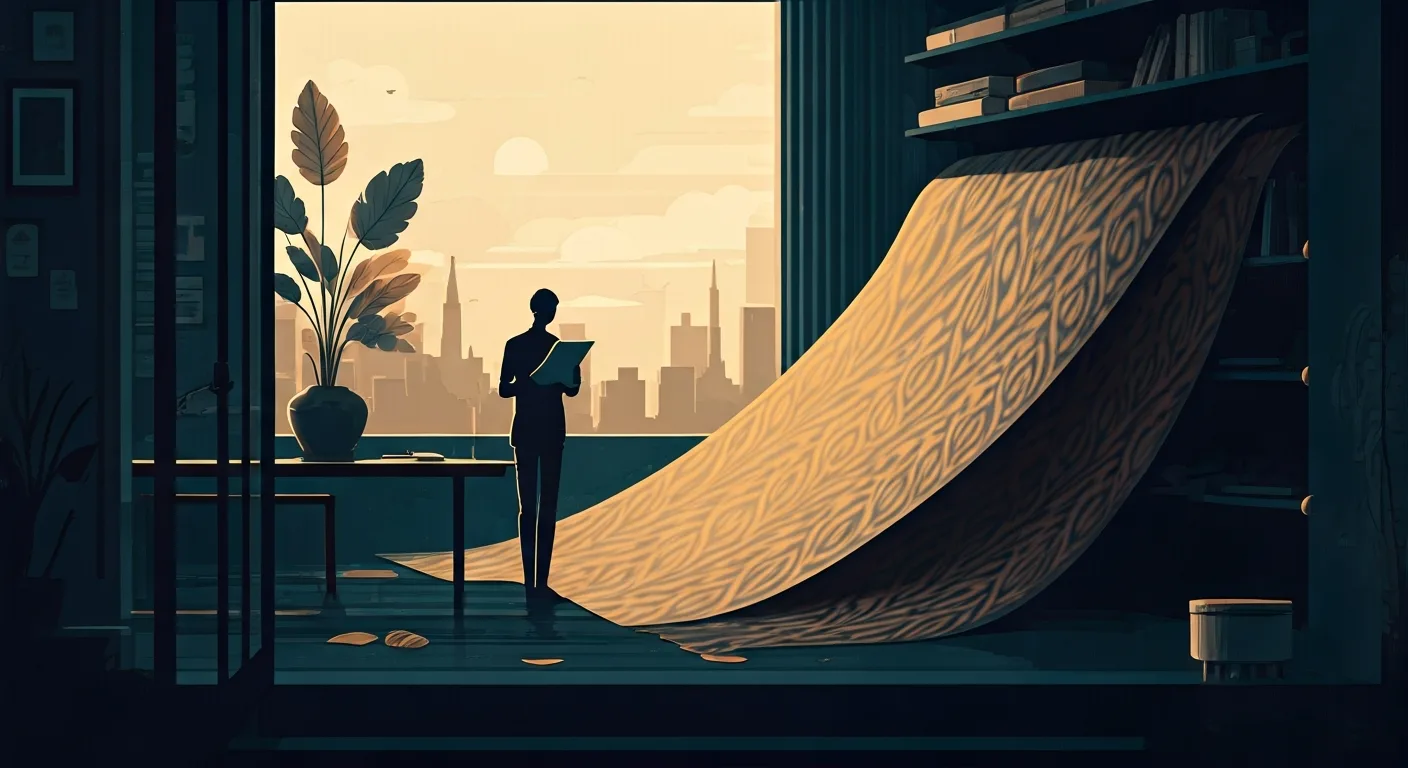
Creates patterns, prints, and fabric designs for fashion, interiors, or industrial applications, working with colour, texture, and repeat structures. Uses both hand techniques and digital design software, understanding how designs translate into woven, knitted, or printed cloth. This role involves conceptualizing and developing textile designs from initial sketches to final production-ready artwork, often collaborating with product development teams and manufacturers.
Contributes significantly to the aesthetic and functional quality of textiles used in various industries, influencing consumer choice and product appeal through innovative and marketable designs.
On the job
- Research current trends and forecast future textile design directions
- Develop original patterns, prints, and woven structures using hand drawing and digital software
- Select appropriate colours, yarns, and materials to achieve desired textile effects
- Prepare technical specifications and repeat patterns for manufacturing processes
- Collaborate with manufacturers, merchandisers, and product development teams
Tools & technology
Average salary
Job outlook
StableDemand is steady. This is an established role with consistent hiring across sectors.
Education & training
Certificate, diploma, or bachelor’s degree in textile design, fashion design, or fine arts (a strong portfolio is often critical).
AI impact outlook
Note — this is our current view. AI is moving fast, so we revisit these ratings.
Show how this was assessed Hide the detail
Note — this is our current view. AI is moving fast, so we revisit these ratings.
Show how this was assessed Hide the detailWhy this role received this rating
Core task exposure
high
How much of the role’s important work could AI perform?
Generating patterns, prints, and initial design concepts is highly exposed to AI automation.
End-to-end automation
moderate
Can AI complete the work without substantial human involvement?
While design creation is high, the translation of designs to manufacturing specifications and material understanding prevents full end-to-end automation.
Adoption pressure
high
How likely are employers to introduce AI into this work?
The fashion and interior industries have high incentives to adopt AI for accelerated design cycles and trend analysis.
Human dependence
moderate
How much does success depend on human judgement, relationships and accountability?
Success relies on artistic vision, deep material knowledge, and collaboration to ensure designs are manufacturable and meet market needs.
Protective — a higher rating lowers the overall score.
Role adaptability
strong
How easily can the role evolve as AI takes on more tasks?
The role can adapt by shifting from primary creation to curation, technical oversight, and strategic interpretation of trends and materials.
Shown for context — not part of the score.
What AI may take on
These are the parts of the role most likely to be automated or significantly accelerated.
- Generating novel patterns and print designs
- Exploring vast color palettes and combinations
- Creating repeat patterns and technical specifications
- Researching and summarizing current design trends
- Producing multiple design variations rapidly
- Simulating how designs appear on different fabric types
Where people remain essential
These parts continue to depend heavily on human judgement, relationships and accountability.
- Conceptualizing original design narratives and artistic vision
- Selecting appropriate yarns and materials based on tactile and performance properties
- Collaborating with manufacturers to ensure design feasibility and quality
- Understanding and interpreting nuanced market and brand aesthetics
- Fine-tuning designs for specific weaving, knitting, or printing processes
- Directing ethical sourcing and sustainability considerations
- Validating physical samples against digital designs
How the role may evolve
Less generating from scratch, more curating and applying deep material knowledge.
AI will accelerate the initial creative process, transforming the role from primary pattern generator to a curator and technical specialist who ensures AI-generated concepts are viable and meet specific material and production requirements.
Strengthen your future fit
- Deep expertise in textile materials science and production processes
- Strong curation and critical evaluation of AI-generated designs
- Strategic trend forecasting and aesthetic interpretation
- Advanced collaboration and communication with manufacturing partners
- Specialization in sustainable and innovative textile solutions
- Assessment horizon
- 3–7 years
- Confidence
- High
- Last reviewed
- August 2026
- Methodology
- v1.0
This assessment reflects current AI capabilities and expected adoption patterns. Actual impacts will vary by industry, employer and the way each role is performed.
Career pathways
WHERE YOU COULD GO
CURRENT ROLE
Textile Designer
Design & Visual Arts
ADJACENT MOVES
STARTING POINTS
Who thrives here
Interest profile
artistic · ARI
People who enjoy artistic expression, working with tangible materials, and applying systematic methods to creative projects tend to thrive in this role.
Personality characteristics
Imaginative
Consistently generates novel ideas and visual concepts for textile patterns and structures.
Detail-Oriented
Pays close attention to precision in patterns, color matching, and technical specifications for production.
Analytical
Systematically breaks down design problems and understands how designs translate into manufacturing processes.
Collaborative
Works effectively with product development teams, manufacturers, and clients to refine designs.
Resilient
Manages feedback and iterative design cycles without becoming easily discouraged.
Best for
- Individuals passionate about textiles, patterns, and color theory
- Creatives who enjoy seeing their designs manifest in physical products
- Designers who appreciate a mix of artistic freedom and technical problem-solving
Watch out for
- May involve frequent collaboration and feedback, requiring adaptability and good communication skills
- The need to balance artistic vision with commercial viability and manufacturing constraints
A week in the life
A representative working week for a Textile Designer — where the deep work, meetings, and admin actually land.
Real people. Real results.
Thousands of people
can't be wrong.
Frequently asked questions about Textile Designer roles
What does a Textile Designer do?
A Textile Designer creates patterns, prints, and fabric designs for fashion, interiors, or industrial applications, working with colour, texture, and repeat structures. Uses both hand techniques and digital design software, understanding how designs translate into woven, knitted, or printed cloth. This role involves conceptualizing and developing textile designs from initial sketches to final production-ready artwork, often collaborating with product development teams and manufacturers. Contributes significantly to the aesthetic and functional quality of textiles used in various industries, influencing consumer choice and product appeal through innovative and marketable designs.
How much does a Textile Designer earn?
A Textile Designer earns a median of $65,000 per year in the US, typically ranging from $45,000 to $90,000.
What qualifications do you need to become a Textile Designer?
To become a Textile Designer, certificate, diploma, or bachelor’s degree in textile design, fashion design, or fine arts (a strong portfolio is often critical).
What personality suits a Textile Designer?
Textile Designer roles tend to suit people who are open and curious — drawn to variety, ideas and new approaches (Openness 88/100). The traits that matter most in the role are Imaginative, Detail-Oriented, Analytical and Collaborative. Consistently generates novel ideas and visual concepts for textile patterns and structures. On interests, Textile Designer maps to an ARI Holland Code profile — people who enjoy artistic expression, working with tangible materials, and applying systematic methods to creative projects tend to thrive in this role.
Who does a Textile Designer role suit?
A Textile Designer role is usually a strong fit for these reasons. High Artistic affinity, allowing for creative expression in visual and tactile design. Involves a blend of creative conceptualization and realistic, hands-on application of design principles. Requires systematic and conventional approaches to translate designs into production-ready formats.
What are the downsides of being a Textile Designer?
Textile Designer roles come with trade-offs worth weighing up. May involve frequent collaboration and feedback, requiring adaptability and good communication skills. The need to balance artistic vision with commercial viability and manufacturing constraints.
What is the work environment like for a Textile Designer?
Work as a Textile Designer is mostly office-based with hybrid arrangements common, semi-structured — a mix of set processes and self-directed work, a moderate pace and medium exposure to clients or stakeholders. Around 56% of the week is focused deep work.
What skills do you need to be a Textile Designer?
Core skills for a Textile Designer include Textile pattern design, Color theory and application, Fabric and material knowledge, Digital design software proficiency and Trend research and analysis.
How do you become a Textile Designer?
Common entry routes into Textile Designer roles include Junior Textile Designer, Assistant Designer and Pattern Maker Apprentice.
What career progression is there for a Textile Designer?
From a Textile Designer role, common next steps include Senior Textile Designer and Art Director (Textiles); lateral moves include Product Developer (Textiles) and Surface Pattern Designer.
What is the job outlook for Textile Designer roles?
The outlook for Textile Designer roles is currently rated stable. Demand is steady. This is an established role with consistent hiring across sectors.
Will AI replace Textile Designer roles?
Traitstack rates automation risk for Textile Designer roles at 70 out of 100, which is strong. Concept generation and pattern creation are increasingly AI-assisted, while translating designs into production-ready materials and understanding tactile properties stay with human experts. AI is most likely to take on generating novel patterns and print designs, exploring vast color palettes and combinations and creating repeat patterns and technical specifications. Conceptualizing original design narratives and artistic vision, selecting appropriate yarns and materials based on tactile and performance properties and collaborating with manufacturers to ensure design feasibility and quality stay with people. Less generating from scratch, more curating and applying deep material knowledge. That score measures how much of the work could change, not the likelihood the job disappears. It is Traitstack's current view, revisited as AI capability moves.