Signwriter
SOC 27-1024.00 · ESCO 7316 · OSCA 391531
Role snapshot
Overview
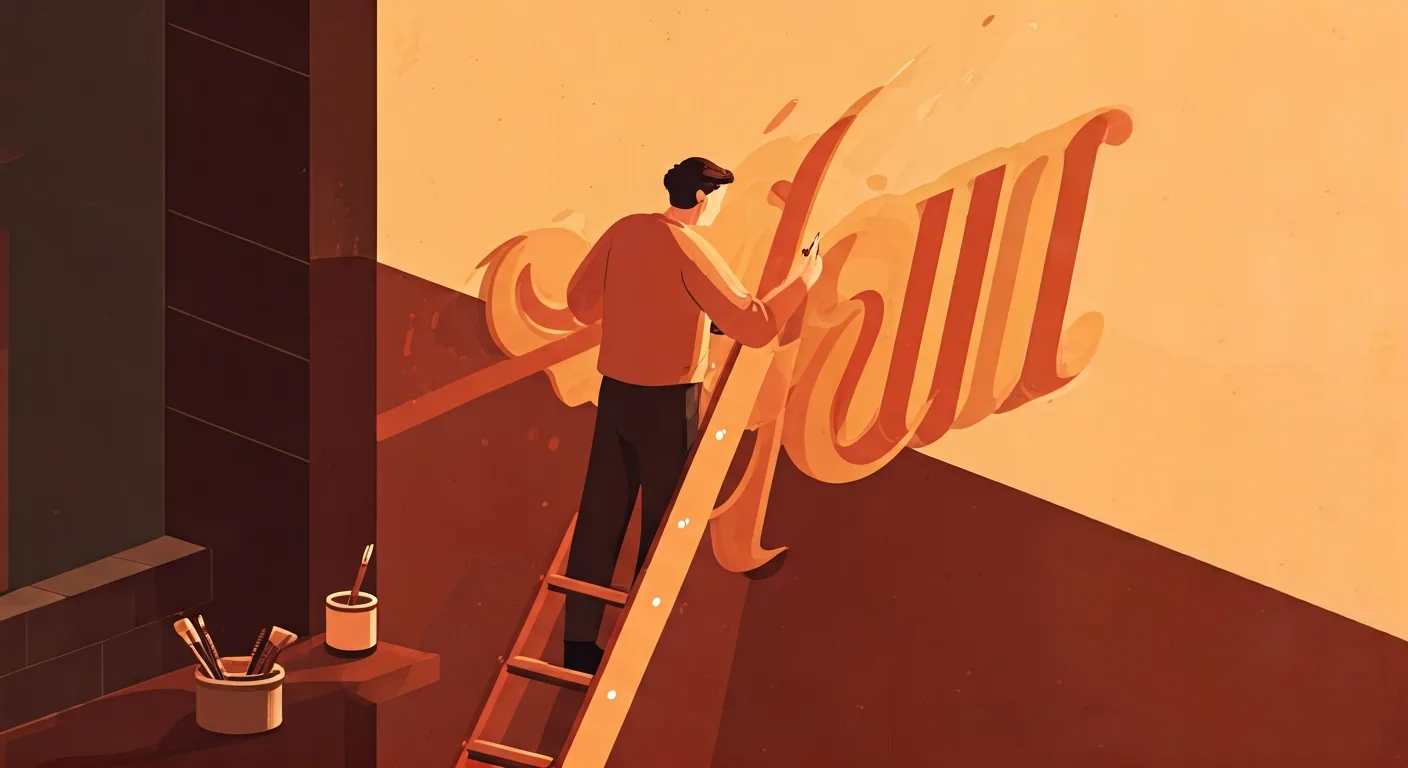
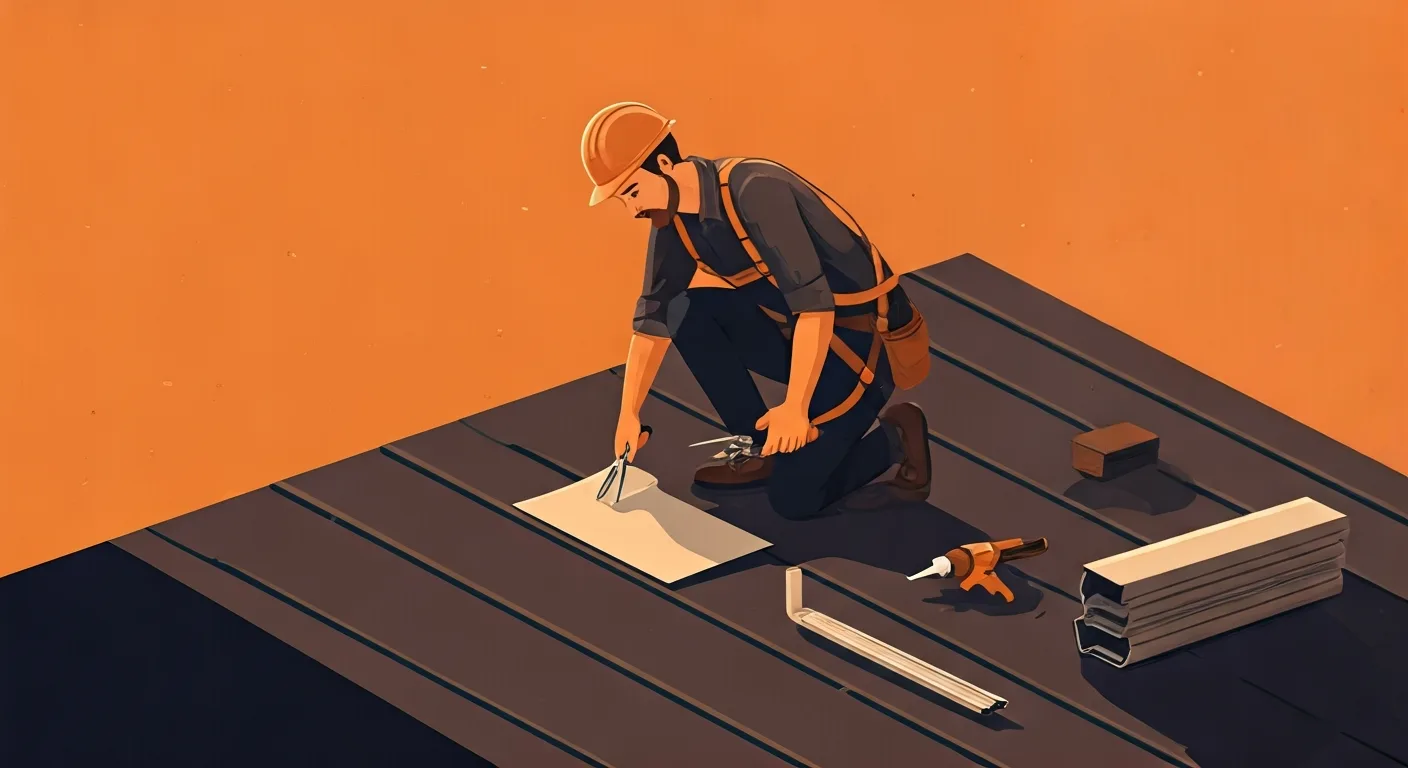
Signwriters design and produce a variety of visual displays, including commercial signs, vehicle graphics, and building lettering. They utilize a blend of traditional hand-painting techniques, modern vinyl cutting, and advanced digital printing methods to create clear, durable, and visually appealing displays that communicate effectively.
Signwriters play a crucial role in visual communication, helping businesses and organizations attract customers, convey information, and establish brand identity through professional and eye-catching signage in both physical and mobile environments.
On the job
- Consult with clients to understand their signage needs, design preferences, and budget constraints.
- Develop design concepts and prepare digital proofs for client approval using graphic design software.
- Operate and maintain specialized equipment such as large format printers, vinyl cutters, and laminators.
- Prepare surfaces, apply vinyl graphics, or hand-paint lettering and designs onto various materials.
- Install finished signs, vehicle wraps, and architectural lettering at client locations, ensuring proper placement and durability.
Tools & technology
Average salary
Job outlook
StableDemand is steady. This is an established role with consistent hiring across sectors.
Education & training
Vocational training, apprenticeship, or a diploma in sign-making or graphic arts is common. Practical experience is highly valued.
AI impact outlook
Note — this is our current view. AI is moving fast, so we revisit these ratings.
Show how this was assessed Hide the detail
Note — this is our current view. AI is moving fast, so we revisit these ratings.
Show how this was assessed Hide the detailWhy this role received this rating
Core task exposure
high
How much of the role’s important work could AI perform?
The digital design and proofing elements of sign creation are highly susceptible to AI automation.
End-to-end automation
low
Can AI complete the work without substantial human involvement?
While design can be automated, the physical production, application, and installation of signs are not conducive to full automation.
Adoption pressure
high
How likely are employers to introduce AI into this work?
Employers are likely to adopt AI for design efficiencies, but the capital cost for automating physical work limits broader pressure.
Human dependence
moderate
How much does success depend on human judgement, relationships and accountability?
Success relies heavily on client consultation, aesthetic judgment for physical spaces, and hands-on installation problem-solving.
Protective — a higher rating lowers the overall score.
Role adaptability
strong
How easily can the role evolve as AI takes on more tasks?
The role can readily shift focus from routine design tasks to specialized craft, advanced installation techniques, and client relations.
Shown for context — not part of the score.
What AI may take on
These are the parts of the role most likely to be automated or significantly accelerated.
- Generating initial design concepts and variations
- Producing digital proofs for client review
- Automating text layout and font selection
- Optimizing material usage for cutting
- Creating mock-ups for different environments
- Basic color palette suggestions
Where people remain essential
These parts continue to depend heavily on human judgement, relationships and accountability.
- Consulting with clients to understand nuanced brand and location needs
- Operating and maintaining specialized printing and cutting equipment
- Executing traditional hand-painting and finishing
- Preparing surfaces and applying vinyl graphics with precision
- Installing finished signs at client locations, often in complex environments
- Troubleshooting physical production and installation issues
- Ensuring safety and compliance during installation
How the role may evolve
From pure production to physical craft and client-site problem solving.
The digital design phase will become highly AI-assisted, shifting the human focus towards the skilled physical execution, on-site problem-solving, and direct client relationship management for complex installations.
Strengthen your future fit
- Mastering advanced physical installation techniques
- Developing deep client relationship and negotiation skills
- Expertise in operating and maintaining complex machinery
- Specializing in unique or high-value hand-crafting methods
- Becoming a specialist in material science and durability
- Assessment horizon
- 3–7 years
- Confidence
- High
- Last reviewed
- August 2026
- Methodology
- v1.0
This assessment reflects current AI capabilities and expected adoption patterns. Actual impacts will vary by industry, employer and the way each role is performed.
Career pathways
WHERE YOU COULD GO
CURRENT ROLE
Signwriter
Design & Visual Arts
ADJACENT MOVES
STARTING POINTS
Who thrives here
Interest profile
artistic · ACE
Individuals who enjoy creative expression, precise execution, and engaging with clients to bring visual concepts to life will find this role rewarding.
Personality characteristics
Imaginative
Enjoys exploring new designs and artistic approaches to create unique signage.
Meticulous
Pays close attention to detail, ensuring precision in design, cutting, and application.
Focused
Can concentrate on intricate tasks for extended periods, even with distractions.
Client-oriented
Works effectively with clients to understand needs and deliver satisfactory results.
Steady
Maintains composure and effectiveness under pressure or when facing unexpected challenges.
Best for
- Individuals who enjoy hands-on work that combines artistic flair with technical precision.
- Creative problem-solvers who can translate abstract ideas into concrete visual solutions.
- People who appreciate seeing the direct results of their craftsmanship in the community.
Watch out for
- Physical demands: the role can involve standing, lifting, and working in various environments.
- Tight deadlines and client revisions can sometimes create pressure.
- Requires continuous learning of new materials, technologies, and design trends.
A week in the life
A representative working week for a Signwriter — where the deep work, meetings, and admin actually land.
Real people. Real results.
Thousands of people
can't be wrong.
Frequently asked questions about Signwriter roles
What does a Signwriter do?
A Signwriter signwriters design and produce a variety of visual displays, including commercial signs, vehicle graphics, and building lettering. They utilize a blend of traditional hand-painting techniques, modern vinyl cutting, and advanced digital printing methods to create clear, durable, and visually appealing displays that communicate effectively. Signwriters play a crucial role in visual communication, helping businesses and organizations attract customers, convey information, and establish brand identity through professional and eye-catching signage in both physical and mobile environments.
How much does a Signwriter earn?
A Signwriter earns a median of $50,000 per year in the US, typically ranging from $35,000 to $70,000.
What qualifications do you need to become a Signwriter?
To become a Signwriter, vocational training, apprenticeship, or a diploma in sign-making or graphic arts is common. Practical experience is highly valued.
What personality suits a Signwriter?
Signwriter roles tend to suit people who are highly conscientious — precise, organised and strong on follow-through (Conscientiousness 72/100) and steady under pressure — deadlines and setbacks do not rattle them easily (Emotional Stability 70/100). The traits that matter most in the role are Imaginative, Meticulous, Focused and Client-oriented. Enjoys exploring new designs and artistic approaches to create unique signage. On interests, Signwriter maps to an ACE Holland Code profile — individuals who enjoy creative expression, precise execution, and engaging with clients to bring visual concepts to life will find this role rewarding.
Who does a Signwriter role suit?
A Signwriter role is usually a strong fit for these reasons. Strong artistic and conventional affinity: blending creative design with precise, hands-on production. A significant portion of the work involves tangible creation and practical application of skills. Opportunity to see creative visions come to life and make a visible impact for clients.
What are the downsides of being a Signwriter?
Signwriter roles come with trade-offs worth weighing up. Physical demands: the role can involve standing, lifting, and working in various environments. Tight deadlines and client revisions can sometimes create pressure. Requires continuous learning of new materials, technologies, and design trends.
What is the work environment like for a Signwriter?
Work as a Signwriter is mostly mixed-based with onsite arrangements common, semi-structured — a mix of set processes and self-directed work, a moderate pace and medium exposure to clients or stakeholders. Around 55% of the week is focused deep work.
What skills do you need to be a Signwriter?
Core skills for a Signwriter include Graphic design, Vinyl application, Digital printing, Hand-lettering and painting, Client consultation and Material selection.
How do you become a Signwriter?
Common entry routes into Signwriter roles include Signage Apprentice, Junior Graphic Designer and Production Assistant Signage.
What career progression is there for a Signwriter?
From a Signwriter role, common next steps include Senior Signwriter, Sign Shop Manager and Custom Fabricator; lateral moves include Graphic Designer and Exhibit Designer.
What is the job outlook for Signwriter roles?
The outlook for Signwriter roles is currently rated stable. Demand is steady. This is an established role with consistent hiring across sectors.
Will AI replace Signwriter roles?
Traitstack rates automation risk for Signwriter roles at 55 out of 100, which is moderate. AI will generate many design concepts and digital proofs, but the physical production and installation of signage will remain a human craft. AI is most likely to take on generating initial design concepts and variations, producing digital proofs for client review and automating text layout and font selection. Consulting with clients to understand nuanced brand and location needs, operating and maintaining specialized printing and cutting equipment and executing traditional hand-painting and finishing stay with people. From pure production to physical craft and client-site problem solving. That score measures how much of the work could change, not the likelihood the job disappears. It is Traitstack's current view, revisited as AI capability moves.