Shoemaker
SOC 51-6041.00 · ESCO 7536 · OSCA 399437
Role snapshot
Overview
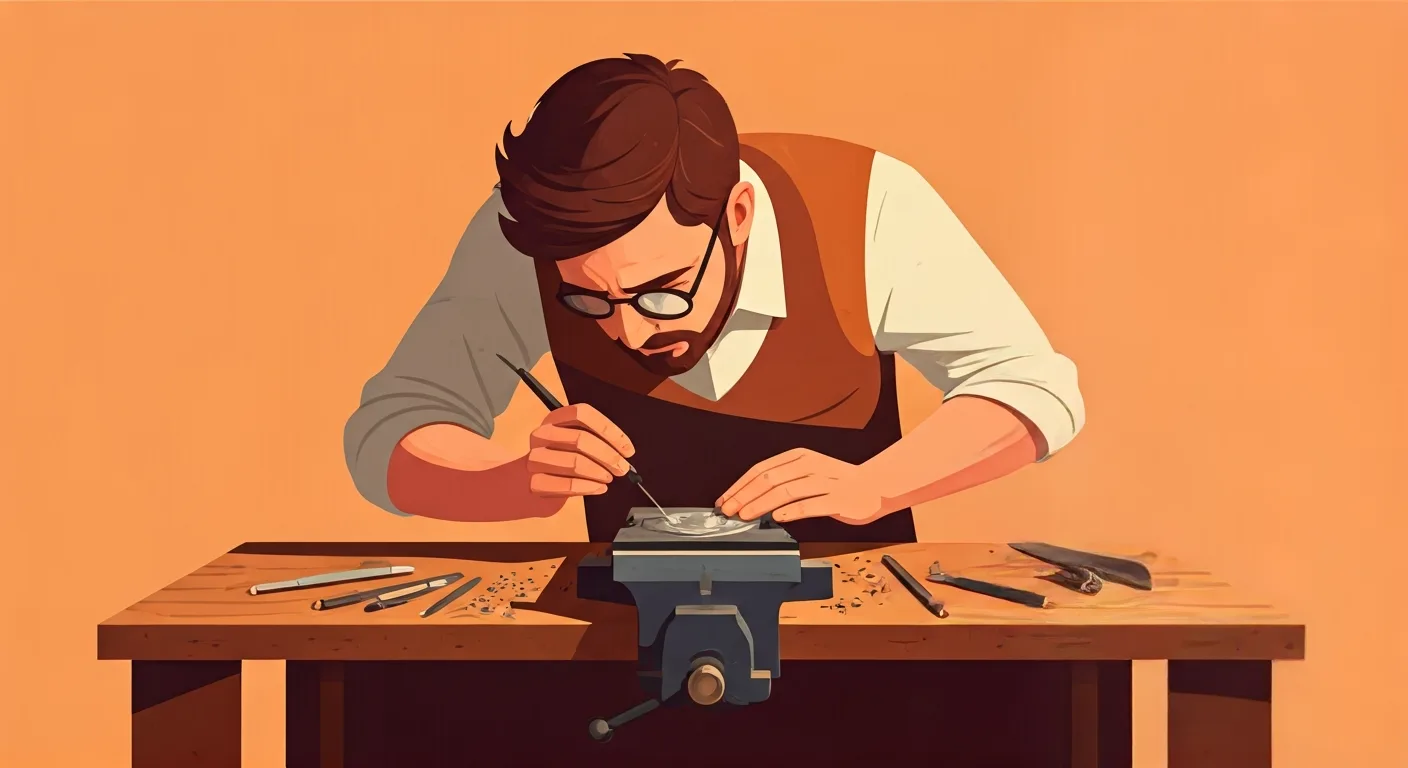
Shoemakers are skilled artisans who craft and repair footwear, ranging from custom-made shoes to general repairs. This role involves a blend of traditional hand skills, such as cutting leather, hand-stitching, and shaping, with the use of specialized machinery for tasks like sole attachment and finishing. Shoemakers ensure products are comfortable, durable, and aesthetically pleasing, often working directly with clients for custom orders and fittings.
Provides custom, durable, and well-fitting footwear, contributing to comfort and style. Extends the life of existing shoes through skilled repair, promoting sustainability and craftsmanship.
On the job
- Cut and prepare leather or other materials according to patterns and specifications
- Assemble shoe uppers by hand-stitching or machine-sewing components
- Last uppers onto forms to shape the shoe, ensuring proper fit and structure
- Attach soles, heels, and other components using adhesives, stitching, or mechanical fasteners
- Finish shoes by polishing, buffing, and adding protective coatings
- Perform repairs on damaged footwear, including resoling, re-heeling, and patching

Tools & technology
Average salary
Job outlook
StableDemand is steady. This is an established role with consistent hiring across sectors.
Education & training
Typically requires vocational training, an apprenticeship, or a certificate in footwear design and crafting. Practical experience and skill demonstration are paramount.
AI impact outlook
Note — this is our current view. AI is moving fast, so we revisit these ratings.
Show how this was assessed Hide the detail
Note — this is our current view. AI is moving fast, so we revisit these ratings.
Show how this was assessed Hide the detailWhy this role received this rating
Core task exposure
low
How much of the role’s important work could AI perform?
AI can aid in pattern generation or material optimization, but the intricate hand skills, lasting, shaping, and aesthetic judgment are largely unexposed.
End-to-end automation
low
Can AI complete the work without substantial human involvement?
AI cannot autonomously craft custom footwear or perform complex, varied repairs from start to finish without extensive human physical intervention and judgment.
Adoption pressure
low
How likely are employers to introduce AI into this work?
The high cost and low ROI for AI in a highly bespoke, low-volume, and repair-focused trade limits its practical adoption.
Human dependence
strong
How much does success depend on human judgement, relationships and accountability?
Intricate hand skills, aesthetic judgment, client consultation for custom fit and style, and tactile material sensitivity are paramount for success.
Protective — a higher rating lowers the overall score.
Role adaptability
moderate
How easily can the role evolve as AI takes on more tasks?
The role adapts to new materials, footwear trends, and repair techniques, often incorporating digital design tools.
Shown for context — not part of the score.
What AI may take on
These are the parts of the role most likely to be automated or significantly accelerated.
- Generating custom patterns from 3D foot scans or bespoke measurements
- Optimizing material cutting layouts for leather and other fabrics
- Suggesting repair approaches based on diagnostic analysis of shoe damage
- Assisting with design visualization for custom footwear concepts
Where people remain essential
These parts continue to depend heavily on human judgement, relationships and accountability.
- Intricate hand-stitching, lasting, and shaping of footwear components
- Client consultation for custom designs, fit adjustments, and repair needs
- Diagnostic assessment of damage for repairs, including resoling and re-heeling
- Tactile manipulation of diverse materials to achieve desired feel and durability
- Aesthetic judgment and finishing to ensure comfort, appearance, and quality
- Problem-solving for unique shoe construction or repair challenges
How the role may evolve
Craft reimagined: Digitally supported design meets traditional hand skills.
Shoemakers will increasingly leverage digital tools for design and pattern generation, allowing them to focus their deep traditional hand skills and artistic judgment on crafting custom footwear and performing intricate repairs, enhancing both efficiency and bespoke quality.
Strengthen your future fit
- Proficiency in digital design and pattern-making software
- Mastery of traditional hand-stitching and lasting techniques
- Expertise in diverse footwear materials and their properties
- Strong client communication and consultation skills
- Diagnostic problem-solving for complex shoe repairs
- Assessment horizon
- 3–7 years
- Confidence
- High
- Last reviewed
- August 2026
- Methodology
- v1.0
This assessment reflects current AI capabilities and expected adoption patterns. Actual impacts will vary by industry, employer and the way each role is performed.
Career pathways
WHERE YOU COULD GO
CURRENT ROLE
Shoemaker
Skilled Trades
ADJACENT MOVES
STARTING POINTS
Who thrives here
Interest profile
realistic · RCA
Individuals who enjoy working with their hands, using tools and materials to create and repair, and who value precision, detail, and aesthetic quality, tend to find satisfaction as a shoemaker.
Personality characteristics
Meticulous
Demonstrates high attention to detail and precision in cutting, stitching, and finishing to ensure quality craftsmanship.
Practical
Enjoys hands-on work, problem-solving with tools, and creating tangible, functional products.
Creative
Appreciates aesthetics and design in footwear, applying artistic judgment in custom work and repairs.
Calm
Maintains composure and focus during intricate tasks and extended periods of detailed work.
Patient
Willing to spend time on intricate details and repeat steps to achieve high-quality results in craftwork.
Best for
- Individuals who are passionate about traditional crafts and creating high-quality, tangible products.
- Those who enjoy working with their hands, have a keen eye for detail, and appreciate the value of precision and durability.
- People who thrive in a focused, independent work setting where expertise and skill are continually honed.
Watch out for
- The work can be physically demanding and requires prolonged periods of standing or sitting in a workshop environment.
- Success often relies on developing a strong reputation and client base, which may require self-promotion for independent shoemakers.
A week in the life
A representative working week for a Shoemaker — where the deep work, meetings, and admin actually land.
Real people. Real results.
Thousands of people
can't be wrong.


Frequently asked questions about Shoemaker roles
What does a Shoemaker do?
A Shoemaker shoemakers are skilled artisans who craft and repair footwear, ranging from custom-made shoes to general repairs. This role involves a blend of traditional hand skills, such as cutting leather, hand-stitching, and shaping, with the use of specialized machinery for tasks like sole attachment and finishing. Shoemakers ensure products are comfortable, durable, and aesthetically pleasing, often working directly with clients for custom orders and fittings. Provides custom, durable, and well-fitting footwear, contributing to comfort and style. Extends the life of existing shoes through skilled repair, promoting sustainability and craftsmanship.
How much does a Shoemaker earn?
A Shoemaker earns a median of $55,000 per year in the US, typically ranging from $35,000 to $80,000.
What qualifications do you need to become a Shoemaker?
To become a Shoemaker, typically requires vocational training, an apprenticeship, or a certificate in footwear design and crafting. Practical experience and skill demonstration are paramount.
What personality suits a Shoemaker?
Shoemaker roles tend to suit people who are highly conscientious — precise, organised and strong on follow-through (Conscientiousness 78/100) and steady under pressure — deadlines and setbacks do not rattle them easily (Emotional Stability 72/100). The traits that matter most in the role are Meticulous, Practical, Creative and Calm. Demonstrates high attention to detail and precision in cutting, stitching, and finishing to ensure quality craftsmanship. On interests, Shoemaker maps to a RCA Holland Code profile — individuals who enjoy working with their hands, using tools and materials to create and repair, and who value precision, detail, and aesthetic quality, tend to find satisfaction as a shoemaker.
Who does a Shoemaker role suit?
A Shoemaker role is usually a strong fit for these reasons. Strong Realistic and Conventional scores indicate a preference for hands-on, detailed, and structured work with materials and tools. The role allows for significant deep work focused on craftsmanship and precision, aligning with high Conscientiousness. An Artistic affinity supports the design and aesthetic aspects of footwear creation and restoration.
What are the downsides of being a Shoemaker?
Shoemaker roles come with trade-offs worth weighing up. The work can be physically demanding and requires prolonged periods of standing or sitting in a workshop environment. Success often relies on developing a strong reputation and client base, which may require self-promotion for independent shoemakers.
What is the work environment like for a Shoemaker?
Work as a Shoemaker is mostly workshop-based with onsite arrangements common, semi-structured — a mix of set processes and self-directed work, a moderate pace and medium exposure to clients or stakeholders. Around 65% of the week is focused deep work.
What skills do you need to be a Shoemaker?
Core skills for a Shoemaker include Leatherworking, Pattern making, Hand stitching and sewing, Footwear repair techniques, Precision measurement and Material selection.
How do you become a Shoemaker?
Common entry routes into Shoemaker roles include Apprentice Shoemaker, Leatherworker Assistant and Footwear Repair Technician.
What career progression is there for a Shoemaker?
From a Shoemaker role, common next steps include Master Shoemaker; lateral moves include Footwear Designer and Leather Goods Maker.
What is the job outlook for Shoemaker roles?
The outlook for Shoemaker roles is currently rated stable. Demand is steady. This is an established role with consistent hiring across sectors.
Will AI replace Shoemaker roles?
Traitstack rates automation risk for Shoemaker roles at 20 out of 100, which is low. AI offers assistance with pattern design and material optimization, yet the shoemaker's craft relies on intricate hand skills, aesthetic judgment, and personalized client service. AI is most likely to take on generating custom patterns from 3d foot scans or bespoke measurements, optimizing material cutting layouts for leather and other fabrics and suggesting repair approaches based on diagnostic analysis of shoe damage. Intricate hand-stitching, lasting, and shaping of footwear components, client consultation for custom designs, fit adjustments, and repair needs and diagnostic assessment of damage for repairs, including resoling and re-heeling stay with people. Craft reimagined: Digitally supported design meets traditional hand skills. That score measures how much of the work could change, not the likelihood the job disappears. It is Traitstack's current view, revisited as AI capability moves.