Scaffolder
SOC 47-2221.00 · ESCO 7119 · OSCA 821731
Role snapshot
Overview
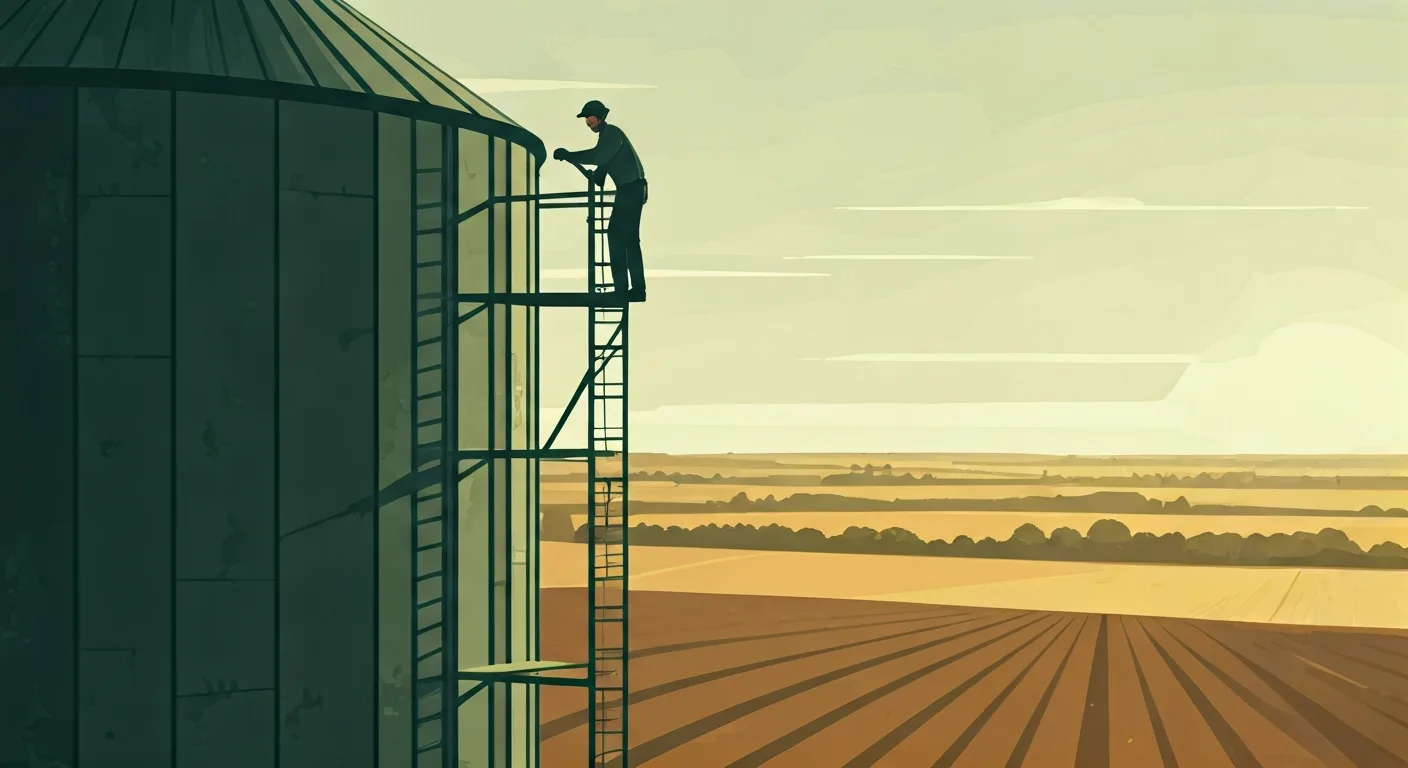
Erects, modifies, and dismantles temporary scaffolding platforms on construction and maintenance sites so that other tradespeople can safely work at height. This involves interpreting designs, selecting appropriate materials, and adhering to strict safety regulations to ensure structural integrity and worker safety.
Ensures the safety of workers at height and enables efficient progress on construction and maintenance projects by providing secure, compliant, and stable access structures.
On the job
- Interpret scaffolding designs, blueprints, and safety requirements to plan erection and dismantling.
- Select, inspect, and transport scaffolding components (e.g., tubes, fittings, boards) to the work area.
- Erect and dismantle various types of scaffolding structures, including independent, putlog, birdcage, and suspended scaffolds.
- Install and maintain safety features such as guardrails, toe boards, ladders, and netting.
- Conduct regular inspections and maintenance of erected scaffolds to ensure structural integrity and compliance with safety standards.
Tools & technology
Average salary
Job outlook
StableDemand is steady. This is an established role with consistent hiring across sectors.
Education & training
Vocational training, apprenticeship, or industry-recognized certification in scaffolding erection and safety.
AI impact outlook
Note — this is our current view. AI is moving fast, so we revisit these ratings.
Show how this was assessed Hide the detail
Note — this is our current view. AI is moving fast, so we revisit these ratings.
Show how this was assessed Hide the detailWhy this role received this rating
Core task exposure
low
How much of the role’s important work could AI perform?
The physical erection, modification, and dismantling of complex scaffolding structures in dynamic construction environments are tasks currently beyond AI's practical capabilities.
End-to-end automation
low
Can AI complete the work without substantial human involvement?
Fully automating the process of scaffolding, from interpreting designs to safely dismantling structures on varied and unpredictable sites, faces immense technical and safety hurdles.
Adoption pressure
low
How likely are employers to introduce AI into this work?
Due to the extreme safety-critical nature, high liability, and the cost and complexity of automating physical tasks at height, employer adoption of AI for core scaffolding work will be minimal.
Human dependence
strong
How much does success depend on human judgement, relationships and accountability?
The role's success is profoundly dependent on human spatial reasoning, meticulous attention to structural safety, on-site problem-solving, and strict adherence to regulations.
Protective — a higher rating lowers the overall score.
Role adaptability
moderate
How easily can the role evolve as AI takes on more tasks?
Scaffolders can adapt by becoming safety inspectors, trainers, or specializing in complex industrial scaffolding projects, leveraging their deep understanding of structural safety.
Shown for context — not part of the score.
What AI may take on
These are the parts of the role most likely to be automated or significantly accelerated.
- Generating optimal scaffolding designs and material lists from blueprints.
- AI-powered vision systems for component inspection before use.
- Predictive analysis for potential structural weaknesses based on design.
- Virtual reality training for complex assembly scenarios.
Where people remain essential
These parts continue to depend heavily on human judgement, relationships and accountability.
- Physically erecting, modifying, and dismantling scaffolding components.
- Conducting thorough on-site inspections for structural integrity and safety.
- Adapting scaffold designs to unexpected site conditions or obstacles.
- Ensuring strict compliance with all safety regulations and protocols.
- Supervising and training junior team members.
- Responding to emergencies or unforeseen hazards on site.
How the role may evolve
Emphasis on structural integrity and safety leadership, less on manual component handling.
Scaffolders will evolve into highly skilled safety and structural experts, relying on digital tools for design planning while maintaining full human responsibility for the physical execution and rigorous safety compliance in dynamic environments.
Strengthen your future fit
- Advanced knowledge of structural engineering principles for scaffolding.
- Expert interpretation of complex architectural and structural blueprints.
- Leadership in on-site safety management and risk assessment.
- Proficiency in digital design and planning software for complex scaffolds.
- Training and mentoring skills.
- Assessment horizon
- 3–7 years
- Confidence
- High
- Last reviewed
- August 2026
- Methodology
- v1.0
This assessment reflects current AI capabilities and expected adoption patterns. Actual impacts will vary by industry, employer and the way each role is performed.
Career pathways
WHERE YOU COULD GO
CURRENT ROLE
Scaffolder
Skilled Trades
ADJACENT MOVES
STARTING POINTS
Who thrives here
Interest profile
realistic · RCI
People who enjoy practical, hands-on work, structured environments, and problem-solving related to physical structures tend to thrive as Scaffolders. The role requires adherence to precise methods and keen observation for safety.
Personality characteristics
Practical
Prefers concrete tasks and tangible results over abstract concepts, focusing on the 'how-to' of building.
Conscientious
Highly responsible and detail-oriented, especially when adhering to safety protocols and construction standards.
Reserved
Focuses on the task at hand rather than extensive social interaction, valuing efficiency in communication.
Cooperative
Works well within a team, respecting roles and contributing effectively to collective goals.
Calm under pressure
Maintains composure and clear judgment when working at heights or in demanding construction environments.
Best for
- Individuals who enjoy tangible, practical work and building structures with their hands.
- People who prioritize safety and precision in their work, following established procedures diligently.
- Team players who thrive in a structured, outdoor construction environment.
Watch out for
- The role requires significant physical exertion and working in challenging outdoor conditions.
- Strict adherence to safety regulations and precise execution is non-negotiable, leaving little room for improvisation.
- The work can be repetitive and physically demanding, requiring sustained focus and stamina.
A week in the life
A representative working week for a Scaffolder — where the deep work, meetings, and admin actually land.
Real people. Real results.
Thousands of people
can't be wrong.





Frequently asked questions about Scaffolder roles
What does a Scaffolder do?
A Scaffolder erects, modifies, and dismantles temporary scaffolding platforms on construction and maintenance sites so that other tradespeople can safely work at height. This involves interpreting designs, selecting appropriate materials, and adhering to strict safety regulations to ensure structural integrity and worker safety. Ensures the safety of workers at height and enables efficient progress on construction and maintenance projects by providing secure, compliant, and stable access structures.
How much does a Scaffolder earn?
A Scaffolder earns a median of $58,000 per year in the US, typically ranging from $45,000 to $75,000.
What qualifications do you need to become a Scaffolder?
To become a Scaffolder, vocational training, apprenticeship, or industry-recognized certification in scaffolding erection and safety. Scaffolding Certification.
What personality suits a Scaffolder?
Scaffolder roles tend to suit people who are highly conscientious — precise, organised and strong on follow-through (Conscientiousness 82/100) and steady under pressure — deadlines and setbacks do not rattle them easily (Emotional Stability 75/100). The traits that matter most in the role are Practical, Conscientious, Reserved and Cooperative. Prefers concrete tasks and tangible results over abstract concepts, focusing on the 'how-to' of building. On interests, Scaffolder maps to a RCI Holland Code profile — people who enjoy practical, hands-on work, structured environments, and problem-solving related to physical structures tend to thrive as Scaffolders. The role requires adherence to precise methods and keen observation for safety.
Who does a Scaffolder role suit?
A Scaffolder role is usually a strong fit for these reasons. Strong Realistic alignment: the role is highly practical, hands-on, and involves working with tools and physical structures. High Conscientiousness is crucial for adhering to strict safety standards and precise construction methods. The work environment demands cooperation and teamwork, appealing to those with moderate Agreeableness.
What are the downsides of being a Scaffolder?
Scaffolder roles come with trade-offs worth weighing up. The role requires significant physical exertion and working in challenging outdoor conditions. Strict adherence to safety regulations and precise execution is non-negotiable, leaving little room for improvisation. The work can be repetitive and physically demanding, requiring sustained focus and stamina.
What is the work environment like for a Scaffolder?
Work as a Scaffolder is mostly outdoors-based with onsite arrangements common, structured, with clear processes, a moderate pace and medium exposure to clients or stakeholders. Around 64% of the week is focused deep work.
What skills do you need to be a Scaffolder?
Core skills for a Scaffolder include Scaffolding erection techniques, Construction safety protocols (OSHA), Blueprint and design interpretation, Physical strength and stamina and Team collaboration and communication.
How do you become a Scaffolder?
Common entry routes into Scaffolder roles include Construction Laborer, Scaffolding Apprentice and General Laborer.
What career progression is there for a Scaffolder?
From a Scaffolder role, common next steps include Lead Scaffolder and Scaffolding Supervisor; lateral moves include Construction Safety Officer and Construction Foreman.
What is the job outlook for Scaffolder roles?
The outlook for Scaffolder roles is currently rated stable. Demand is steady. This is an established role with consistent hiring across sectors.
Will AI replace Scaffolder roles?
Traitstack rates automation risk for Scaffolder roles at 16 out of 100, which is low. Interpreting complex designs and executing precise, safety-critical physical assembly at height remain human responsibilities, with minimal AI impact on core scaffolding tasks. AI is most likely to take on generating optimal scaffolding designs and material lists from blueprints., ai-powered vision systems for component inspection before use. and predictive analysis for potential structural weaknesses based on design.. Physically erecting, modifying, and dismantling scaffolding components., conducting thorough on-site inspections for structural integrity and safety. and adapting scaffold designs to unexpected site conditions or obstacles. stay with people. Emphasis on structural integrity and safety leadership, less on manual component handling. That score measures how much of the work could change, not the likelihood the job disappears. It is Traitstack's current view, revisited as AI capability moves.