Radiographer
SOC 29-2034.00 · ESCO 3211 · OSCA 263133
Role snapshot
Overview
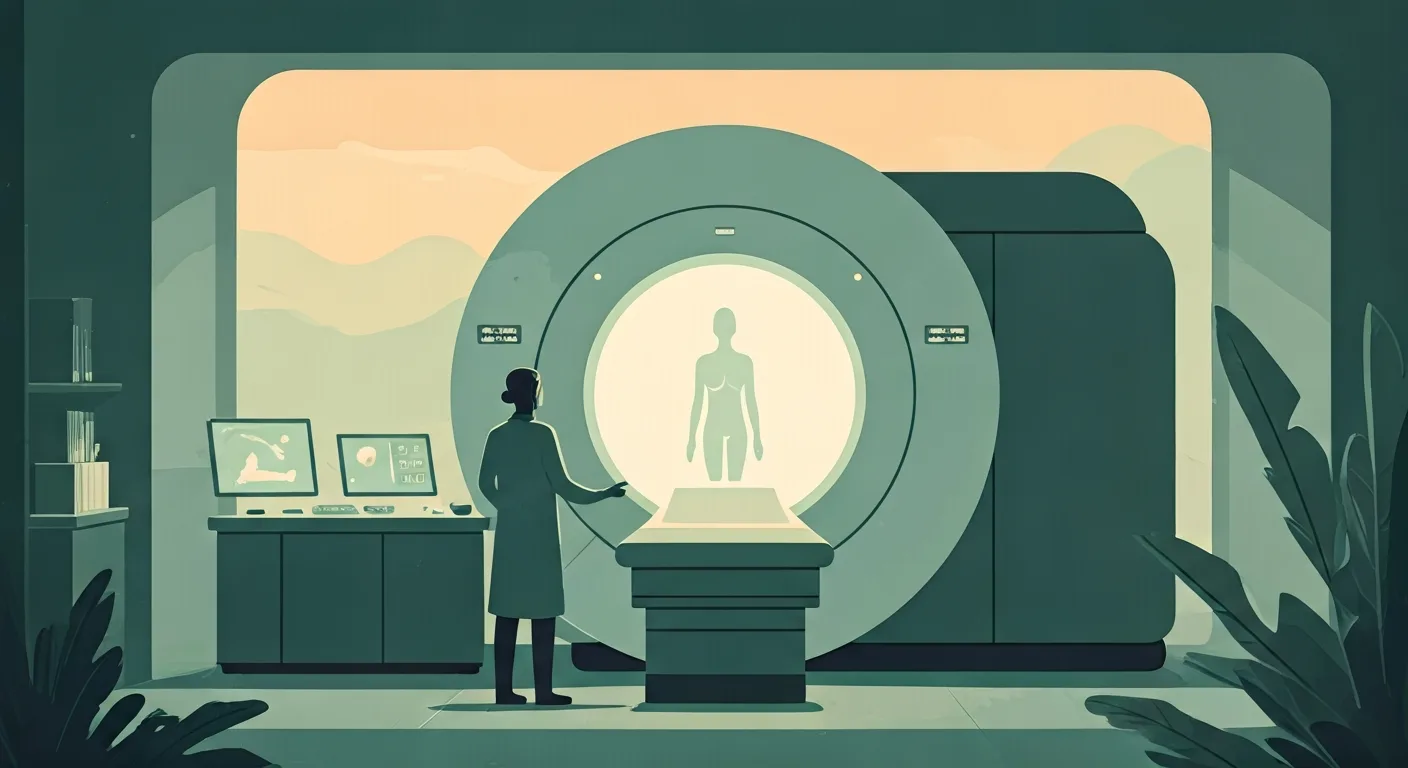
Operates X-ray, CT, and MRI equipment to produce medical images that help diagnose injuries and diseases. Positions patients carefully, selects appropriate settings, and ensures radiation exposure is kept as low as possible. Radiographers work closely with physicians and other healthcare professionals to provide critical diagnostic information, ensuring patient comfort and safety throughout imaging procedures.
Provides essential diagnostic images that enable physicians to accurately detect and monitor diseases, injuries, and conditions, leading to effective treatment plans and improved patient outcomes.
On the job
- Position patients correctly and safely for various imaging procedures.
- Operate and maintain complex imaging equipment such as X-ray, CT, and MRI machines.
- Adjust imaging parameters to obtain high-quality diagnostic images while minimizing radiation exposure.
- Administer contrast agents orally or intravenously as required for specific exams.
- Review images for technical quality, identify any abnormalities, and prepare them for radiologist interpretation.
Tools & technology
Average salary
Job outlook
StableDemand is steady. This is an established role with consistent hiring across sectors.
Education & training
Completion of an accredited radiography program, typically an Associate's or Bachelor's degree, or a post-secondary diploma.
AI impact outlook
Note — this is our current view. AI is moving fast, so we revisit these ratings.
Show how this was assessed Hide the detail
Note — this is our current view. AI is moving fast, so we revisit these ratings.
Show how this was assessed Hide the detailWhy this role received this rating
Core task exposure
moderate
How much of the role’s important work could AI perform?
AI can assist with optimizing imaging parameters, performing initial technical quality checks, and streamlining documentation, but cannot perform physical patient interaction or contrast administration.
End-to-end automation
low
Can AI complete the work without substantial human involvement?
AI cannot autonomously position patients, administer contrast agents, or manage the real-time safety and comfort needs of diverse patients during complex imaging procedures.
Adoption pressure
high
How likely are employers to introduce AI into this work?
There is strong pressure for efficiency and accuracy in medical imaging, balanced by strict regulatory oversight and the critical need for patient safety and human intervention.
Human dependence
strong
How much does success depend on human judgement, relationships and accountability?
Success critically depends on human judgment for patient safety, managing uncooperative or anxious patients, adapting to anatomical variations, and responding to adverse reactions.
Protective — a higher rating lowers the overall score.
Role adaptability
strong
How easily can the role evolve as AI takes on more tasks?
The role can evolve by focusing on complex or specialized imaging modalities, enhanced patient care, quality assurance, and interdisciplinary collaboration within healthcare teams.
Shown for context — not part of the score.
What AI may take on
These are the parts of the role most likely to be automated or significantly accelerated.
- Optimizing imaging parameters based on patient and study type
- Performing initial technical quality checks of acquired images
- Drafting routine documentation and patient records
- Providing real-time feedback on image quality and patient positioning
- Scheduling and workflow management within the imaging department
Where people remain essential
These parts continue to depend heavily on human judgement, relationships and accountability.
- Physically positioning and immobilizing patients safely and comfortably
- Administering contrast agents and monitoring for adverse reactions
- Managing anxious, uncooperative, or medically unstable patients
- Adapting protocols for atypical anatomies or complex clinical situations
- Ensuring radiation safety protocols are strictly adhered to for staff and patients
- Interpreting patient cues and providing empathetic care
- Collaborating with radiologists and other medical staff on complex cases
How the role may evolve
From technical operator to patient-focused imaging specialist.
Radiographers will spend less time on routine technical adjustments and more time on direct patient care, complex case management, and ensuring optimal diagnostic outcomes.
Strengthen your future fit
- Advanced patient communication and reassurance techniques
- Proficiency in managing complex and atypical patient scenarios
- Expertise in advanced imaging modalities and protocols
- Strong critical thinking for problem-solving during procedures
- Leadership in radiation safety and quality assurance
- Assessment horizon
- 3–7 years
- Confidence
- High
- Last reviewed
- August 2026
- Methodology
- v1.0
This assessment reflects current AI capabilities and expected adoption patterns. Actual impacts will vary by industry, employer and the way each role is performed.
Career pathways
WHERE YOU COULD GO
CURRENT ROLE
Radiographer
Allied Health
ADJACENT MOVES
STARTING POINTS
Who thrives here
Interest profile
realistic · RCI
Individuals who enjoy working with technical equipment, solving practical problems, and applying scientific knowledge to medical diagnostics, while also caring for patients, tend to thrive in this role.
Personality characteristics
Conscientious
Exhibits meticulous attention to detail and strict adherence to safety protocols, crucial for accurate imaging and patient protection.
Empathetic
Shows genuine care and understanding towards patients, especially those who may be anxious or in pain during procedures.
Calm under pressure
Maintains composure and efficiency in fast-paced or emergency situations, ensuring critical imaging is performed effectively.
Technically adept
Enjoys operating and understanding complex medical imaging equipment, continuously learning about new technologies.
Methodical
Follows established procedures and guidelines precisely to ensure consistent image quality and patient safety.
Best for
- Individuals who are detail-oriented and precise, with a strong commitment to safety.
- Those who enjoy operating and mastering complex technical equipment in a healthcare setting.
- People who are empathetic and skilled at communicating with diverse patient populations.
- Professionals seeking a hands-on role that directly impacts patient diagnosis and treatment.
Watch out for
- The role can involve exposure to radiation, requiring strict adherence to safety measures.
- Dealing with critically ill or anxious patients can be emotionally demanding.
- Requires continuous learning to keep up with evolving technology and medical practices.
A week in the life
A representative working week for a Radiographer — where the deep work, meetings, and admin actually land.
Real people. Real results.
Thousands of people
can't be wrong.




Frequently asked questions about Radiographer roles
What does a Radiographer do?
A Radiographer operates X-ray, CT, and MRI equipment to produce medical images that help diagnose injuries and diseases. Positions patients carefully, selects appropriate settings, and ensures radiation exposure is kept as low as possible. Radiographers work closely with physicians and other healthcare professionals to provide critical diagnostic information, ensuring patient comfort and safety throughout imaging procedures. Provides essential diagnostic images that enable physicians to accurately detect and monitor diseases, injuries, and conditions, leading to effective treatment plans and improved patient outcomes.
How much does a Radiographer earn?
A Radiographer earns a median of $75,000 per year in the US, typically ranging from $60,000 to $95,000.
What qualifications do you need to become a Radiographer?
To become a Radiographer, completion of an accredited radiography program, typically an Associate's or Bachelor's degree, or a post-secondary diploma. Certification by the American Registry of Radiologic Technologists (ARRT) is typically required.
What personality suits a Radiographer?
Radiographer roles tend to suit people who are highly conscientious — precise, organised and strong on follow-through (Conscientiousness 82/100) and warm and cooperative — tuned in to the people around them (Agreeableness 72/100). The traits that matter most in the role are Conscientious, Empathetic, Calm under pressure and Technically adept. Exhibits meticulous attention to detail and strict adherence to safety protocols, crucial for accurate imaging and patient protection. On interests, Radiographer maps to a RCI Holland Code profile — individuals who enjoy working with technical equipment, solving practical problems, and applying scientific knowledge to medical diagnostics, while also caring for patients, tend to thrive in this role.
Who does a Radiographer role suit?
A Radiographer role is usually a strong fit for these reasons. Strong Realistic (R) and Conventional (C) alignment: the role requires precision, technical skill, and adherence to protocols. Involves direct patient interaction, appealing to individuals with strong Social (S) tendencies who enjoy helping others. Requires constant application of scientific and investigative knowledge (I) for optimal image acquisition and problem-solving.
What are the downsides of being a Radiographer?
Radiographer roles come with trade-offs worth weighing up. The role can involve exposure to radiation, requiring strict adherence to safety measures. Dealing with critically ill or anxious patients can be emotionally demanding. Requires continuous learning to keep up with evolving technology and medical practices.
What is the work environment like for a Radiographer?
Work as a Radiographer is mostly clinical-based with onsite arrangements common, semi-structured — a mix of set processes and self-directed work, a moderate pace and high exposure to clients or stakeholders. Around 65% of the week is focused deep work.
What skills do you need to be a Radiographer?
Core skills for a Radiographer include Patient positioning techniques, Radiation safety protocols, Medical imaging interpretation (basic), Imaging equipment operation and Patient care and communication.
How do you become a Radiographer?
Common entry routes into Radiographer roles include Radiologic Technologist Student, Certified Radiographer and Medical Assistant.
What career progression is there for a Radiographer?
From a Radiographer role, common next steps include Senior Radiographer and Radiology Department Manager; lateral moves include Sonographer and Radiation Therapist.
What is the job outlook for Radiographer roles?
The outlook for Radiographer roles is currently rated stable. Demand is steady. This is an established role with consistent hiring across sectors.
Will AI replace Radiographer roles?
Traitstack rates automation risk for Radiographer roles at 43 out of 100, which is moderate. AI streamlines image acquisition and initial quality checks, while licensed professionals maintain critical patient contact, ensure safety, and manage complex cases. AI is most likely to take on optimizing imaging parameters based on patient and study type, performing initial technical quality checks of acquired images and drafting routine documentation and patient records. Physically positioning and immobilizing patients safely and comfortably, administering contrast agents and monitoring for adverse reactions and managing anxious, uncooperative, or medically unstable patients stay with people. From technical operator to patient-focused imaging specialist. That score measures how much of the work could change, not the likelihood the job disappears. It is Traitstack's current view, revisited as AI capability moves.