Landscape Designer
SOC 17-1012.00 · ESCO 2162 · OSCA 312134
Role snapshot
Overview
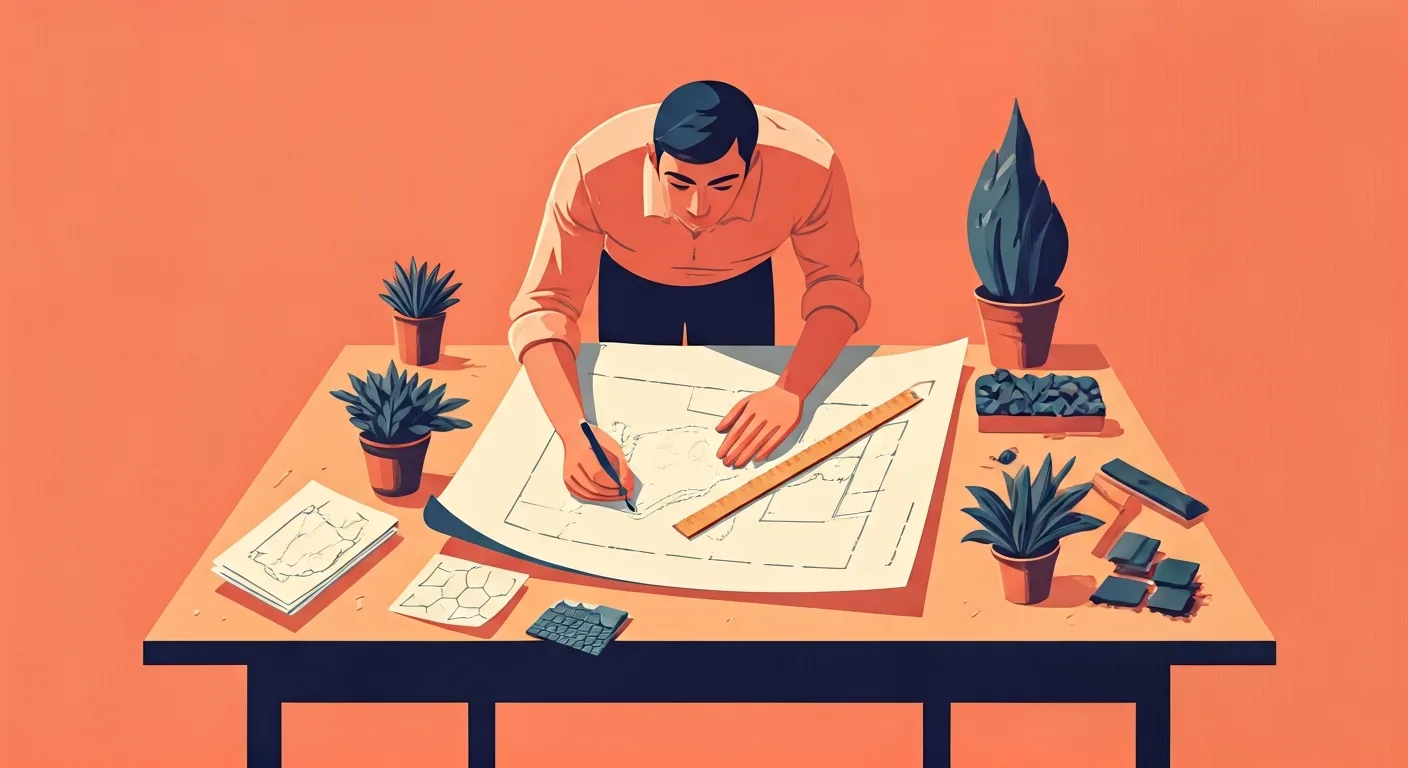
Plans and designs functional and aesthetically pleasing outdoor spaces, including residential gardens, commercial landscapes, and public areas. This involves selecting appropriate plants, hardscaping materials, and site elements, as well as developing comprehensive layout plans. Landscape designers prepare detailed drawings, specifications, and planting schedules for clients and contractors, ensuring designs balance environmental considerations with client needs and budget.
Creates beautiful and functional outdoor environments that enhance property value, promote well-being, and contribute to ecological health and sustainability.
On the job
- Consult with clients to understand their vision, needs, and budget for outdoor spaces
- Conduct site analysis to assess existing conditions, including topography, soil, climate, and sun exposure
- Develop conceptual designs, mood boards, and detailed planting plans and hardscape layouts
- Prepare technical drawings, 3D renderings, and material specifications using design software
- Collaborate with contractors, suppliers, and other professionals during the design and installation phases
Tools & technology
Average salary
Job outlook
GrowingJob growth is expected to be above average over the next five years.
Education & training
Often requires an associate's or bachelor's degree in landscape design, horticulture, or a related field. Certifications can also be beneficial.
AI impact outlook
Note — this is our current view. AI is moving fast, so we revisit these ratings.
Show how this was assessed Hide the detail
Note — this is our current view. AI is moving fast, so we revisit these ratings.
Show how this was assessed Hide the detailWhy this role received this rating
Core task exposure
high
How much of the role’s important work could AI perform?
A significant portion of landscape design, particularly drafting, plant selection, and material specification, is highly exposed to AI automation.
End-to-end automation
moderate
Can AI complete the work without substantial human involvement?
While AI can generate design options and detailed drawings, the full process from client brief to site-specific implementation requires human oversight and judgment.
Adoption pressure
high
How likely are employers to introduce AI into this work?
Employers are highly likely to adopt AI tools for generating design iterations and technical drawings due to clear efficiency gains.
Human dependence
moderate
How much does success depend on human judgement, relationships and accountability?
Success in this role heavily relies on understanding client vision, aesthetic judgment, managing project specifics, and building client relationships.
Protective — a higher rating lowers the overall score.
Role adaptability
strong
How easily can the role evolve as AI takes on more tasks?
The role can readily shift its focus from manual production to conceptualization, creative direction, and client relationship management.
Shown for context — not part of the score.
What AI may take on
These are the parts of the role most likely to be automated or significantly accelerated.
- Preparing detailed technical drawings and 3D renderings from conceptual inputs
- Generating multiple design variations and layouts based on parameters
- Selecting appropriate plants and materials based on environmental factors and aesthetic rules
- Initial site analysis and data processing from topographic maps and climate data
- Creating planting schedules and material specifications
Where people remain essential
These parts continue to depend heavily on human judgement, relationships and accountability.
- Consulting with clients to understand their nuanced vision and budget
- Conducting on-site assessments for unique conditions and problem-solving
- Developing conceptual designs that embody a specific aesthetic and artistic intent
- Collaborating effectively with contractors and suppliers during installation
- Negotiating design changes and managing client expectations
- Ensuring the long-term functionality and sustainability of outdoor spaces
- Accountability for the final implemented design
How the role may evolve
From producing visuals to leading the creative vision and client journey.
The role will likely involve less time spent on manual drafting and rendering, shifting towards higher-level creative direction, strategic problem-solving for unique site conditions, and nurturing client relationships.
Strengthen your future fit
- Mastering AI-powered design and visualization tools
- Developing strong client communication and presentation skills
- Cultivating advanced ecological and sustainable design knowledge
- Focusing on complex problem-solving for site-specific challenges
- Strengthening project management and collaboration skills
- Assessment horizon
- 3–7 years
- Confidence
- Medium
- Last reviewed
- August 2026
- Methodology
- v1.0
This assessment reflects current AI capabilities and expected adoption patterns. Actual impacts will vary by industry, employer and the way each role is performed.
Career pathways
WHERE YOU COULD GO
CURRENT ROLE
Landscape Designer
Architecture & Spatial Design
ADJACENT MOVES
STARTING POINTS
Who thrives here
Interest profile
artistic · RIA
Individuals who enjoy artistic expression combined with intellectual curiosity and practical application in outdoor environments often thrive in this role.
Personality characteristics
Imaginative
Consistently generates novel and creative ideas for transforming outdoor spaces.
Organized
Manages design projects, deadlines, and multiple client needs effectively.
Collaborative
Works well with clients, contractors, and other designers to achieve shared project goals.
Calm under pressure
Remains composed when facing unexpected site challenges or client revisions.
Detail-oriented
Pays close attention to precision in drawings, plant specifications, and material selections.
Communicative
Clearly articulates design concepts and rationale to diverse stakeholders.
Best for
- Individuals who enjoy blending artistic creativity with technical problem-solving for outdoor environments.
- Those who appreciate working with natural elements and contributing to sustainable spaces.
- Designers who thrive on seeing their visions physically implemented and enjoyed.
Watch out for
- Requires balancing aesthetic vision with practical constraints like budget, site conditions, and client preferences.
- Project timelines can be variable, often subject to weather, material availability, and contractor schedules.
A week in the life
A representative working week for a Landscape Designer — where the deep work, meetings, and admin actually land.
Real people. Real results.
Thousands of people
can't be wrong.
Frequently asked questions about Landscape Designer roles
What does a Landscape Designer do?
A Landscape Designer plans and designs functional and aesthetically pleasing outdoor spaces, including residential gardens, commercial landscapes, and public areas. This involves selecting appropriate plants, hardscaping materials, and site elements, as well as developing comprehensive layout plans. Landscape designers prepare detailed drawings, specifications, and planting schedules for clients and contractors, ensuring designs balance environmental considerations with client needs and budget. Creates beautiful and functional outdoor environments that enhance property value, promote well-being, and contribute to ecological health and sustainability.
How much does a Landscape Designer earn?
A Landscape Designer earns a median of $68,000 per year in the US, typically ranging from $50,000 to $95,000.
What qualifications do you need to become a Landscape Designer?
To become a Landscape Designer, often requires an associate's or bachelor's degree in landscape design, horticulture, or a related field. Certifications can also be beneficial.
What personality suits a Landscape Designer?
Landscape Designer roles tend to suit people who are open and curious — drawn to variety, ideas and new approaches (Openness 88/100) and highly conscientious — precise, organised and strong on follow-through (Conscientiousness 72/100). The traits that matter most in the role are Imaginative, Organized, Collaborative and Calm under pressure. Consistently generates novel and creative ideas for transforming outdoor spaces. On interests, Landscape Designer maps to a RIA Holland Code profile — individuals who enjoy artistic expression combined with intellectual curiosity and practical application in outdoor environments often thrive in this role.
Who does a Landscape Designer role suit?
A Landscape Designer role is usually a strong fit for these reasons. High Artistic and Investigative affinity: combines creative design with scientific plant and site knowledge. Opportunity for hands-on, practical application of design concepts in real-world settings. Significant client interaction allows for direct impact and feedback on creative work.
What are the downsides of being a Landscape Designer?
Landscape Designer roles come with trade-offs worth weighing up. Requires balancing aesthetic vision with practical constraints like budget, site conditions, and client preferences. Project timelines can be variable, often subject to weather, material availability, and contractor schedules.
What is the work environment like for a Landscape Designer?
Work as a Landscape Designer is mostly mixed-based with hybrid arrangements common, semi-structured — a mix of set processes and self-directed work, a moderate pace and high exposure to clients or stakeholders. Around 63% of the week is focused deep work.
What skills do you need to be a Landscape Designer?
Core skills for a Landscape Designer include Landscape design principles, Plant knowledge (botany, ecology), Site analysis and planning, Drafting and rendering (2D/3D), Client communication and Project management.
How do you become a Landscape Designer?
Common entry routes into Landscape Designer roles include Junior Landscape Designer, Horticulture Technician and Garden Designer Assistant.
What career progression is there for a Landscape Designer?
From a Landscape Designer role, common next steps include Senior Landscape Designer, Landscape Project Manager and Landscape Architect; lateral moves include Horticultural Consultant.
What is the job outlook for Landscape Designer roles?
The outlook for Landscape Designer roles is currently rated growing. Job growth is expected to be above average over the next five years.
Will AI replace Landscape Designer roles?
Traitstack rates automation risk for Landscape Designer roles at 64 out of 100, which is strong. AI is poised to accelerate the drafting and visualization of designs, allowing human designers to prioritize aesthetic judgment, client relationships, and site-specific problem-solving. AI is most likely to take on preparing detailed technical drawings and 3d renderings from conceptual inputs, generating multiple design variations and layouts based on parameters and selecting appropriate plants and materials based on environmental factors and aesthetic rules. Consulting with clients to understand their nuanced vision and budget, conducting on-site assessments for unique conditions and problem-solving and developing conceptual designs that embody a specific aesthetic and artistic intent stay with people. From producing visuals to leading the creative vision and client journey. That score measures how much of the work could change, not the likelihood the job disappears. It is Traitstack's current view, revisited as AI capability moves.