Interior Decorator
SOC 27-1025.00 · ESCO 3432 · OSCA 391931
Role snapshot
Overview
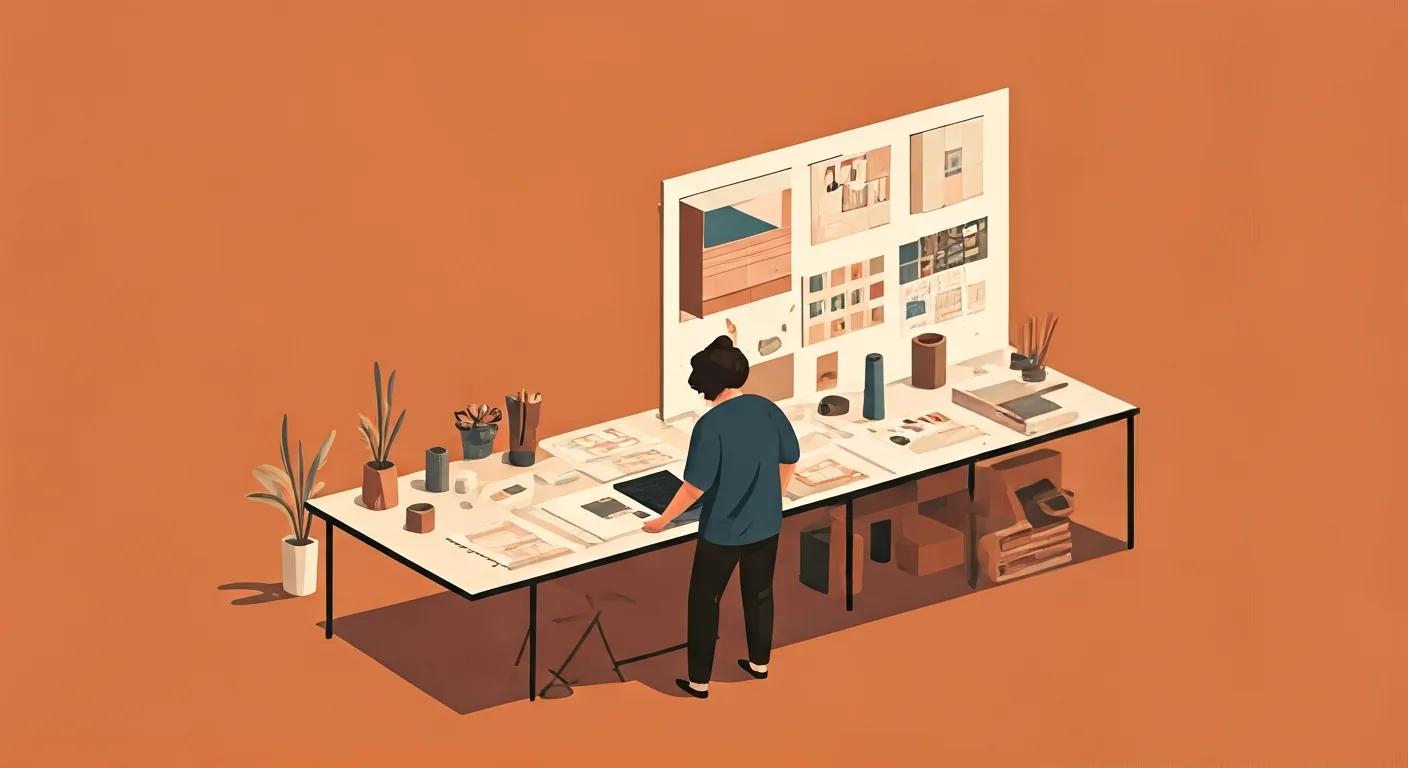
Selects colour schemes, fabrics, furniture, and accessories to style residential and commercial interiors, consulting with clients and coordinating suppliers to bring design concepts to life. This role involves understanding client needs, creating cohesive aesthetic plans, managing projects, and ensuring the final design is both beautiful and functional.
Transforms spaces to enhance comfort, functionality, and aesthetic appeal, directly influencing clients' well-being, productivity, and satisfaction with their environment.
On the job
- Consult with clients to determine their design preferences, functional needs, and budget.
- Develop design concepts, mood boards, and detailed presentations for client approval.
- Source and select furniture, lighting, textiles, flooring, and decorative accessories.
- Create floor plans, space layouts, and 2D/3D renderings to visualize design solutions.
- Coordinate with contractors, vendors, and artisans for project execution, procurement, and installation.
Tools & technology
Average salary
Job outlook
StableDemand is steady. This is an established role with consistent hiring across sectors.
Education & training
Certificate, diploma, or bachelor’s degree in interior design, interior decorating, or a related field. A strong portfolio showcasing design skills and projects is often crucial.
AI impact outlook
Note — this is our current view. AI is moving fast, so we revisit these ratings.
Show how this was assessed Hide the detail
Note — this is our current view. AI is moving fast, so we revisit these ratings.
Show how this was assessed Hide the detailWhy this role received this rating
Core task exposure
high
How much of the role’s important work could AI perform?
AI can generate floor plans, suggest furniture layouts, recommend color schemes, and source materials, highly exposing tasks related to design visualization and selection.
End-to-end automation
moderate
Can AI complete the work without substantial human involvement?
While AI can design and integrate with e-commerce for sourcing, the personal client consultation, physical site assessment, and coordination of contractors for installation still require human intervention.
Adoption pressure
high
How likely are employers to introduce AI into this work?
The interior design industry is increasingly leveraging AI for efficiency, driven by consumer demand for virtual design tools and platforms, leading to high adoption pressure.
Human dependence
moderate
How much does success depend on human judgement, relationships and accountability?
Success relies on understanding a client's unspoken needs, emotional connection to their space, managing complex stakeholder relationships, and physical problem-solving on-site.
Protective — a higher rating lowers the overall score.
Role adaptability
strong
How easily can the role evolve as AI takes on more tasks?
The role can adapt by focusing on high-end bespoke projects, sustainable design consulting, or becoming a project manager for complex installations, leveraging new technologies.
Shown for context — not part of the score.
What AI may take on
These are the parts of the role most likely to be automated or significantly accelerated.
- Generating 2D/3D renderings and virtual tours of spaces
- Suggesting furniture, lighting, and accessory combinations
- Creating optimized floor plans and space layouts
- Sourcing and comparing materials from supplier databases
- Developing mood boards and design presentations
Where people remain essential
These parts continue to depend heavily on human judgement, relationships and accountability.
- Conducting in-depth client consultations to understand personal style and lifestyle
- Coordinating with contractors, vendors, and artisans for project execution
- Making physical site visits and assessing real-world constraints
- Troubleshooting on-site installation challenges
- Ensuring the final design is both aesthetically pleasing and functional for the inhabitant
- Building trust and managing client expectations throughout the project
How the role may evolve
Design visualization speeds up. Client and project management deepen.
Decorators will spend less time on initial visual drafts and more time on high-touch client engagement, intricate project coordination, and overseeing physical installations.
Strengthen your future fit
- Master AI-powered design and visualization software
- Enhance skills in client psychology and relationship management
- Strengthen project management and contractor coordination abilities
- Develop expertise in sustainable and smart home technologies
- Focus on bespoke, high-value design solutions
- Assessment horizon
- 3–7 years
- Confidence
- High
- Last reviewed
- August 2026
- Methodology
- v1.0
This assessment reflects current AI capabilities and expected adoption patterns. Actual impacts will vary by industry, employer and the way each role is performed.
Career pathways
WHERE YOU COULD GO
CURRENT ROLE
Interior Decorator
Design & Visual Arts
ADJACENT MOVES
STARTING POINTS
Who thrives here
Interest profile
artistic · ARC
Individuals who enjoy creative problem-solving, hands-on application of design principles, and structured execution of projects often thrive as interior decorators.
Personality characteristics
Creative
Enjoys exploring novel ideas, color palettes, and spatial arrangements to create unique and aesthetically pleasing designs.
Organized
Manages multiple projects, budgets, and supplier timelines efficiently to keep design projects on track and within scope.
Outgoing
Comfortable engaging with clients, understanding their needs, and presenting design concepts persuasively and confidently.
Collaborative
Works effectively with clients, contractors, suppliers, and other team members to achieve a shared design vision.
Resilient
Handles client feedback, unexpected project challenges, and tight deadlines without becoming easily stressed.
Best for
- People who love transforming environments and have a keen eye for aesthetics, functionality, and detail.
- Individuals who enjoy a blend of creative conceptualization and hands-on project management.
- Those who thrive on building client relationships and delivering personalized, beautiful design solutions.
Watch out for
- Requires managing multiple projects, budgets, and client expectations simultaneously, which can be demanding.
- Dealing with unexpected issues with suppliers, contractors, or material availability can be a source of stress and require quick problem-solving.
A week in the life
A representative working week for an Interior Decorator — where the deep work, meetings, and admin actually land.
Real people. Real results.
Thousands of people
can't be wrong.




Frequently asked questions about Interior Decorator roles
What does an Interior Decorator do?
An Interior Decorator selects colour schemes, fabrics, furniture, and accessories to style residential and commercial interiors, consulting with clients and coordinating suppliers to bring design concepts to life. This role involves understanding client needs, creating cohesive aesthetic plans, managing projects, and ensuring the final design is both beautiful and functional. Transforms spaces to enhance comfort, functionality, and aesthetic appeal, directly influencing clients' well-being, productivity, and satisfaction with their environment.
How much does an Interior Decorator earn?
An Interior Decorator earns a median of $65,000 per year in the US, typically ranging from $45,000 to $90,000.
What qualifications do you need to become an Interior Decorator?
To become an Interior Decorator, certificate, diploma, or bachelor’s degree in interior design, interior decorating, or a related field. A strong portfolio showcasing design skills and projects is often crucial.
What personality suits an Interior Decorator?
Interior Decorator roles tend to suit people who are open and curious — drawn to variety, ideas and new approaches (Openness 82/100) and outgoing — energised by people, visibility and quick social contact (Extraversion 68/100). The traits that matter most in the role are Creative, Organized, Outgoing and Collaborative. Enjoys exploring novel ideas, color palettes, and spatial arrangements to create unique and aesthetically pleasing designs. On interests, Interior Decorator maps to an ARC Holland Code profile — individuals who enjoy creative problem-solving, hands-on application of design principles, and structured execution of projects often thrive as interior decorators.
Who does an Interior Decorator role suit?
An Interior Decorator role is usually a strong fit for these reasons. Strong Artistic and Realistic alignment: the role combines creative design with practical project execution and material handling. High client interaction and coordination opportunities suit individuals who enjoy working directly with people to realize their visions. The work involves tangible results, transforming spaces that directly impact client satisfaction and well-being.
What are the downsides of being an Interior Decorator?
Interior Decorator roles come with trade-offs worth weighing up. Requires managing multiple projects, budgets, and client expectations simultaneously, which can be demanding. Dealing with unexpected issues with suppliers, contractors, or material availability can be a source of stress and require quick problem-solving.
What is the work environment like for an Interior Decorator?
Work as an Interior Decorator is mostly mixed-based with hybrid arrangements common, semi-structured — a mix of set processes and self-directed work, a moderate pace and high exposure to clients or stakeholders. Around 38% of the week is focused deep work.
What skills do you need to be an Interior Decorator?
Core skills for an Interior Decorator include Space planning, Color theory, Material selection, Client consultation and Project coordination.
How do you become an Interior Decorator?
Common entry routes into Interior Decorator roles include Design Assistant, Visual Merchandiser and Retail Design Associate.
What career progression is there for an Interior Decorator?
From an Interior Decorator role, common next steps include Senior Interior Decorator and Interior Design Consultant; lateral moves include Set Designer.
What is the job outlook for Interior Decorator roles?
The outlook for Interior Decorator roles is currently rated stable. Demand is steady. This is an established role with consistent hiring across sectors.
Will AI replace Interior Decorator roles?
Traitstack rates automation risk for Interior Decorator roles at 60 out of 100, which is moderate. AI will increasingly handle design visualization and material sourcing, allowing decorators to deepen client relationships and manage complex on-site project execution. AI is most likely to take on generating 2d/3d renderings and virtual tours of spaces, suggesting furniture, lighting, and accessory combinations and creating optimized floor plans and space layouts. Conducting in-depth client consultations to understand personal style and lifestyle, coordinating with contractors, vendors, and artisans for project execution and making physical site visits and assessing real-world constraints stay with people. Design visualization speeds up. Client and project management deepen. That score measures how much of the work could change, not the likelihood the job disappears. It is Traitstack's current view, revisited as AI capability moves.