Handyperson
SOC 49-9071.00 · ESCO 9622 · OSCA 899331
Role snapshot
Overview
Carries out a wide range of small repair and maintenance jobs around homes or buildings, from fixing leaky taps and patching walls to assembling furniture. This role involves diagnosing issues, performing minor carpentry, plumbing, electrical, and painting tasks, and ensuring the functionality and aesthetic upkeep of properties.
Ensures the safe, functional, and well-maintained condition of properties, providing comfort and preventing larger, more costly repairs for residents and businesses.
On the job
- Diagnose and troubleshoot minor repair issues in residential or commercial settings
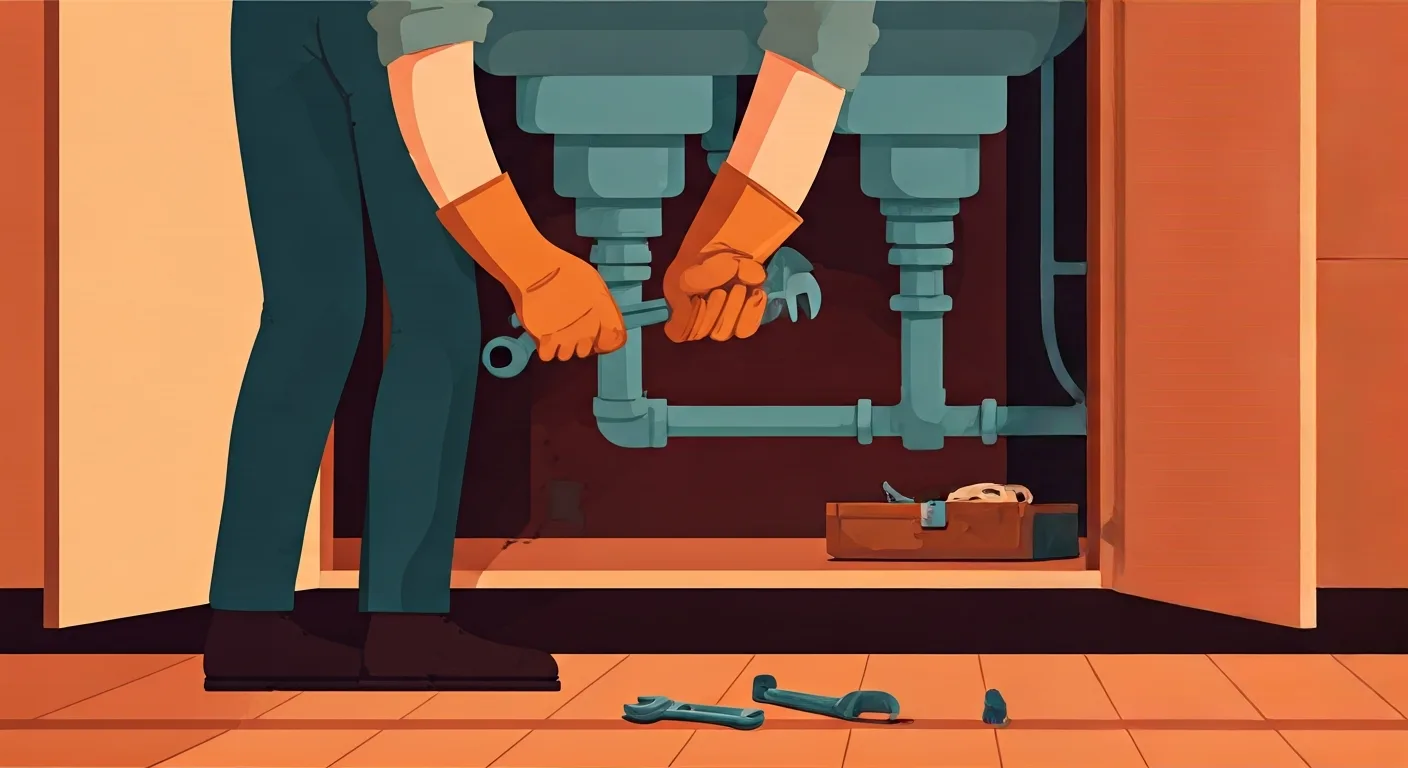
- Perform basic plumbing tasks such as fixing leaks, unclogging drains, and repairing faucets
- Execute minor carpentry work including repairing doors, windows, and cabinets, and assembling furniture
- Complete painting, patching, and drywall repairs to maintain property aesthetics
- Conduct general maintenance checks and preventative care for various systems and fixtures
Tools & technology
Average salary
Job outlook
StableDemand is steady. This is an established role with consistent hiring across sectors.
Education & training
High school diploma or GED, often supplemented by vocational training, apprenticeships, or certifications in specific trades.
AI impact outlook
Note — this is our current view. AI is moving fast, so we revisit these ratings.
Show how this was assessed Hide the detail
Note — this is our current view. AI is moving fast, so we revisit these ratings.
Show how this was assessed Hide the detailWhy this role received this rating
Core task exposure
low
How much of the role’s important work could AI perform?
AI can assist with diagnostic guidance, material sourcing, and basic assembly instructions, but the physical execution of varied repairs is hard to automate.
End-to-end automation
low
Can AI complete the work without substantial human involvement?
The sheer variety of tasks, unpredictable environments, and direct physical intervention required make full workflow automation highly impractical.
Adoption pressure
moderate
How likely are employers to introduce AI into this work?
Adoption is moderate for AI assistance in task planning or troubleshooting, but low for automating the physical, multi-skilled repair work itself.
Human dependence
strong
How much does success depend on human judgement, relationships and accountability?
Success relies heavily on human adaptability, problem-solving in diverse contexts, customer interaction, and versatile physical execution of repairs.
Protective — a higher rating lowers the overall score.
Role adaptability
strong
How easily can the role evolve as AI takes on more tasks?
This role is highly adaptable, allowing specialization in specific trades, expansion into property management, or broader renovation projects.
Shown for context — not part of the score.
What AI may take on
These are the parts of the role most likely to be automated or significantly accelerated.
- Providing step-by-step instructions for basic repairs or furniture assembly
- Intelligent routing and scheduling for multiple job sites
- Suggesting common diagnoses based on reported symptoms
- Automated inventory management for common repair parts
Where people remain essential
These parts continue to depend heavily on human judgement, relationships and accountability.
- Diagnosing and troubleshooting minor repair issues across multiple trades
- Performing basic plumbing tasks such as fixing leaks and unclogging drains
- Executing minor carpentry work like door repairs and furniture assembly
- Completing painting, patching, and drywall repairs for aesthetic upkeep
- Adapting repair strategies to unexpected site conditions and customer needs
- Communicating effectively with clients about repair options and costs
How the role may evolve
Focusing on adaptable problem-solving, supported by AI diagnostic tools.
Handypersons will use AI to streamline diagnostics and planning, allowing them to focus on the versatile physical execution of repairs, customer relationships, and adapting to unique on-site challenges.
Strengthen your future fit
- Develop deeper expertise across multiple trades (plumbing, electrical, carpentry)
- Learn to use AI-powered diagnostic apps and smart home system integration
- Enhance customer service and communication skills for varied clientele
- Acquire business management and marketing skills for independent operations
- Specialize in sustainable repair practices and energy efficiency upgrades
- Assessment horizon
- 3–7 years
- Confidence
- High
- Last reviewed
- August 2026
- Methodology
- v1.0
This assessment reflects current AI capabilities and expected adoption patterns. Actual impacts will vary by industry, employer and the way each role is performed.
Career pathways
WHERE YOU COULD GO
CURRENT ROLE
Handyperson
Skilled Trades
ADJACENT MOVES
STARTING POINTS
Who thrives here
Interest profile
realistic · RCI
People who enjoy hands-on work, diagnosing practical problems, and following established procedures for repairs and maintenance tend to thrive as a handyperson.
Personality characteristics
Resourceful
Enjoys finding practical solutions to a wide array of repair challenges with available tools and materials.
Reliable
Takes pride in completing tasks thoroughly, on time, and to a high standard, ensuring client satisfaction.
Practical
Prefers working with tangible objects and solving concrete, hands-on problems rather than abstract concepts.
Client-focused
Interacts politely and professionally with clients, understanding their needs and ensuring clear communication.
Calm under pressure
Handles unexpected repair issues or challenging situations without becoming easily flustered or stressed.
Best for
- Individuals who enjoy tangible results and working with their hands to fix things
- Those who thrive on variety in their daily tasks and enjoy new challenges
- People who are independent and comfortable working autonomously to solve problems
Watch out for
- The work can be physically demanding and require lifting or working in awkward positions
- Requires frequent travel to different job sites, which can add to daily commute time and logistics
A week in the life
A representative working week for a Handyperson — where the deep work, meetings, and admin actually land.
Real people. Real results.
Thousands of people
can't be wrong.


Frequently asked questions about Handyperson roles
What does a Handyperson do?
A Handyperson carries out a wide range of small repair and maintenance jobs around homes or buildings, from fixing leaky taps and patching walls to assembling furniture. This role involves diagnosing issues, performing minor carpentry, plumbing, electrical, and painting tasks, and ensuring the functionality and aesthetic upkeep of properties. Ensures the safe, functional, and well-maintained condition of properties, providing comfort and preventing larger, more costly repairs for residents and businesses.
How much does a Handyperson earn?
A Handyperson earns a median of $48,000 per year in the US, typically ranging from $35,000 to $65,000.
What qualifications do you need to become a Handyperson?
To become a Handyperson, high school diploma or GED, often supplemented by vocational training, apprenticeships, or certifications in specific trades.
What personality suits a Handyperson?
Handyperson roles tend to suit people who are highly conscientious — precise, organised and strong on follow-through (Conscientiousness 75/100) and steady under pressure — deadlines and setbacks do not rattle them easily (Emotional Stability 72/100). The traits that matter most in the role are Resourceful, Reliable, Practical and Client-focused. Enjoys finding practical solutions to a wide array of repair challenges with available tools and materials. On interests, Handyperson maps to a RCI Holland Code profile — people who enjoy hands-on work, diagnosing practical problems, and following established procedures for repairs and maintenance tend to thrive as a handyperson.
Who does a Handyperson role suit?
A Handyperson role is usually a strong fit for these reasons. Strong Realistic affinity: the role heavily involves hands-on work, using tools, and physical tasks. High Conscientiousness is rewarded: reliability, attention to detail in repairs, and thoroughness are crucial. The job provides variety and problem-solving opportunities, appealing to Investigative interests.
What are the downsides of being a Handyperson?
Handyperson roles come with trade-offs worth weighing up. The work can be physically demanding and require lifting or working in awkward positions. Requires frequent travel to different job sites, which can add to daily commute time and logistics.
What is the work environment like for a Handyperson?
Work as a Handyperson is mostly mixed-based with onsite arrangements common, semi-structured — a mix of set processes and self-directed work, a moderate pace and high exposure to clients or stakeholders. Around 75% of the week is focused deep work.
What skills do you need to be a Handyperson?
Core skills for a Handyperson include Basic plumbing repair, Minor electrical troubleshooting, Carpentry skills, Painting and patching, Problem-solving and Client communication.
How do you become a Handyperson?
Common entry routes into Handyperson roles include Maintenance Assistant, Construction Laborer and General Laborer.
What career progression is there for a Handyperson?
From a Handyperson role, common next steps include Specialized Tradesperson (Plumber/Electrician), Facilities Manager and Small Business Owner (General Contractor); lateral moves include Property Manager Assistant.
What is the job outlook for Handyperson roles?
The outlook for Handyperson roles is currently rated stable. Demand is steady. This is an established role with consistent hiring across sectors.
Will AI replace Handyperson roles?
Traitstack rates automation risk for Handyperson roles at 25 out of 100, which is low. AI can offer diagnostic support and assembly instructions, but the human's adaptability for varied on-site repairs and customer interaction is essential. AI is most likely to take on providing step-by-step instructions for basic repairs or furniture assembly, intelligent routing and scheduling for multiple job sites and suggesting common diagnoses based on reported symptoms. Diagnosing and troubleshooting minor repair issues across multiple trades, performing basic plumbing tasks such as fixing leaks and unclogging drains and executing minor carpentry work like door repairs and furniture assembly stay with people. Focusing on adaptable problem-solving, supported by AI diagnostic tools. That score measures how much of the work could change, not the likelihood the job disappears. It is Traitstack's current view, revisited as AI capability moves.