Hairdresser and Cosmetologist
SOC 39-5012.00 · ESCO 5141 · OSCA 392132
Role snapshot
Overview
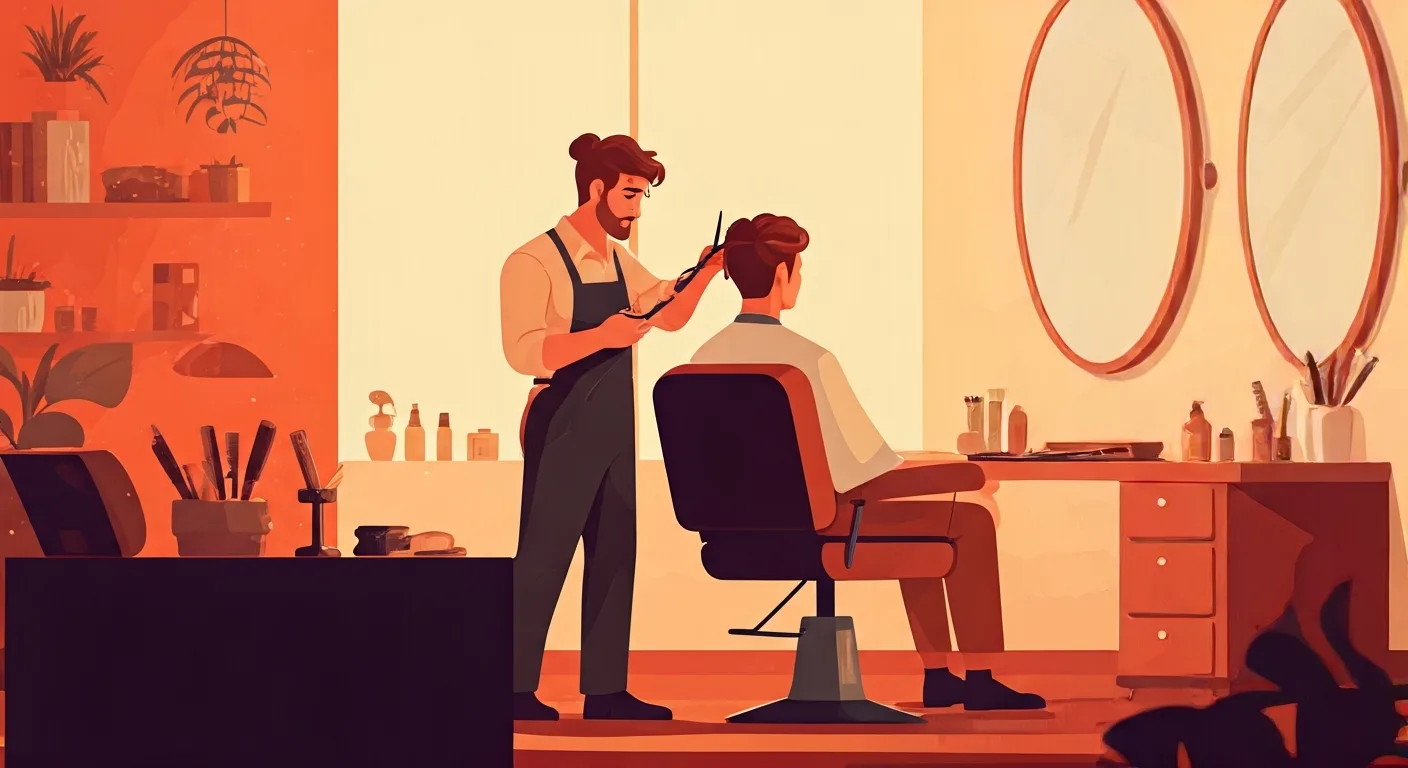
Cuts, colours, and styles hair while advising clients on products and looks that suit their features. Builds long-term client relationships and stays current with trends and techniques. This role requires technical skill, creativity, and strong interpersonal abilities to provide personalized beauty services.
Helps clients enhance their personal appearance and boost their self-confidence, contributing to their overall well-being and positive self-image. Builds trust and rapport through consistent, high-quality service.
On the job
- Consult with clients to understand their hair care needs and desired styles
- Shampoo, cut, colour, perm, and style hair using various techniques and tools
- Provide advice on hair care products, styling techniques, and suitable looks
- Maintain a clean and sanitary workstation, ensuring compliance with health and safety regulations
- Schedule appointments, manage client records, and process payments
Tools & technology
Average salary
Job outlook
StableDemand is steady. This is an established role with consistent hiring across sectors.
Education & training
Completion of a state-approved cosmetology program and passing of a state board examination for licensure.
AI impact outlook
Note — this is our current view. AI is moving fast, so we revisit these ratings.
Show how this was assessed Hide the detail
Note — this is our current view. AI is moving fast, so we revisit these ratings.
Show how this was assessed Hide the detailWhy this role received this rating
Core task exposure
moderate
How much of the role’s important work could AI perform?
Routine scheduling, client record management, and basic product advice can be automated, but the physical craft of cutting, coloring, and styling is not.
End-to-end automation
low
Can AI complete the work without substantial human involvement?
Extremely low, as the core service is hands-on, requiring fine motor skills, artistic judgment, and direct human interaction.
Adoption pressure
moderate
How likely are employers to introduce AI into this work?
Moderate for back-office support, but low for the core service as AI can assist with trends or scheduling, not perform the physical work.
Human dependence
strong
How much does success depend on human judgement, relationships and accountability?
Very high, requiring fine motor skills, artistic judgment, personalized consultation, intimate client relationships, and understanding unspoken desires.
Protective — a higher rating lowers the overall score.
Role adaptability
strong
How easily can the role evolve as AI takes on more tasks?
Highly adaptable, professionals can specialize in specific techniques, client types, become educators, or open their own salons.
Shown for context — not part of the score.
What AI may take on
These are the parts of the role most likely to be automated or significantly accelerated.
- Schedule appointments and manage client records
- Provide basic product recommendations based on hair type
- Analyze current hair trends and styles
- Process payments and manage inventory
- Offer virtual style consultations based on photos
Where people remain essential
These parts continue to depend heavily on human judgement, relationships and accountability.
- Performing intricate hair cutting and coloring techniques
- Providing personalized creative consultations
- Building deep, trusting client relationships
- Adapting to client's real-time feedback
- Exercising artistic judgment and taste
- Maintaining hygiene and safety standards
- Offering emotional support and a listening ear
How the role may evolve
From task-focused styling to personalized artistry and client experience.
Hairdressers will increasingly use AI for administrative support and trend insights, freeing them to hone their artistic skills, deepen client connections, and offer highly customized beauty experiences.
Strengthen your future fit
- Master advanced cutting and coloring techniques
- Cultivate exceptional client relationship management
- Specialize in niche beauty services
- Develop strong digital presence for personal branding
- Integrate sustainable beauty practices
- Assessment horizon
- 3–7 years
- Confidence
- High
- Last reviewed
- August 2026
- Methodology
- v1.0
This assessment reflects current AI capabilities and expected adoption patterns. Actual impacts will vary by industry, employer and the way each role is performed.
Career pathways
WHERE YOU COULD GO
CURRENT ROLE
Hairdresser and Cosmetologist
Personal & Professional Services
ADJACENT MOVES
STARTING POINTS
Who thrives here
Interest profile
realistic · RCS
Individuals who enjoy hands-on work with tools, following established procedures, and engaging with people to provide personal services will find this role rewarding. It combines practical skill with client interaction and aesthetic judgment.
Personality characteristics
Sociable
Enjoys interacting with a wide range of clients and building rapport during appointments.
Meticulous
Pays close attention to detail in cutting, colouring, and styling to achieve desired results.
Agreeable
Patient and understanding with client requests, aiming to please and ensure satisfaction.
Creative
Has a good eye for aesthetics and enjoys experimenting with different styles and techniques.
Resilient
Manages a busy schedule and diverse client demands without becoming easily stressed.
Best for
- Individuals who thrive in a fast-paced, client-facing environment
- Those who enjoy creative problem-solving with tangible results
- People who are passionate about beauty and personal care, and enjoy continuous learning
Watch out for
- Requires standing for long periods and repetitive movements, which can be physically demanding
- Income can be commission-based or reliant on tips, leading to variability in earnings
A week in the life
A representative working week for a Hairdresser and Cosmetologist — where the deep work, meetings, and admin actually land.
Real people. Real results.
Thousands of people
can't be wrong.
Frequently asked questions about Hairdresser and Cosmetologist roles
What does a Hairdresser and Cosmetologist do?
A Hairdresser and Cosmetologist cuts, colours, and styles hair while advising clients on products and looks that suit their features. Builds long-term client relationships and stays current with trends and techniques. This role requires technical skill, creativity, and strong interpersonal abilities to provide personalized beauty services. Helps clients enhance their personal appearance and boost their self-confidence, contributing to their overall well-being and positive self-image. Builds trust and rapport through consistent, high-quality service.
How much does a Hairdresser and Cosmetologist earn?
A Hairdresser and Cosmetologist earns a median of $38,000 per year in the US, typically ranging from $25,000 to $60,000.
What qualifications do you need to become a Hairdresser and Cosmetologist?
To become a Hairdresser and Cosmetologist, completion of a state-approved cosmetology program and passing of a state board examination for licensure. State cosmetology license.
What personality suits a Hairdresser and Cosmetologist?
Hairdresser and Cosmetologist roles tend to suit people who are warm and cooperative — tuned in to the people around them (Agreeableness 75/100) and outgoing — energised by people, visibility and quick social contact (Extraversion 72/100). The traits that matter most in the role are Sociable, Meticulous, Agreeable and Creative. Enjoys interacting with a wide range of clients and building rapport during appointments. On interests, Hairdresser and Cosmetologist maps to a RCS Holland Code profile — individuals who enjoy hands-on work with tools, following established procedures, and engaging with people to provide personal services will find this role rewarding. It combines practical skill with client interaction and aesthetic judgment.
Who does a Hairdresser and Cosmetologist role suit?
A Hairdresser and Cosmetologist role is usually a strong fit for these reasons. Strong Realistic and Social alignment: combining hands-on technical work with extensive client interaction. High Conscientiousness is rewarded through meticulous work and adherence to hygiene standards. The role offers direct impact by enhancing clients' confidence and appearance.
What are the downsides of being a Hairdresser and Cosmetologist?
Hairdresser and Cosmetologist roles come with trade-offs worth weighing up. Requires standing for long periods and repetitive movements, which can be physically demanding. Income can be commission-based or reliant on tips, leading to variability in earnings.
What is the work environment like for a Hairdresser and Cosmetologist?
Work as a Hairdresser and Cosmetologist is mostly retail-based with onsite arrangements common, semi-structured — a mix of set processes and self-directed work and high exposure to clients or stakeholders. Around 80% of the week is focused deep work.
What skills do you need to be a Hairdresser and Cosmetologist?
Core skills for a Hairdresser and Cosmetologist include Hair cutting and styling, Hair colouring techniques, Client consultation, Product knowledge and Sanitation and hygiene.
How do you become a Hairdresser and Cosmetologist?
Common entry routes into Hairdresser and Cosmetologist roles include Cosmetology Student, Salon Assistant and Junior Hairstylist.
What career progression is there for a Hairdresser and Cosmetologist?
From a Hairdresser and Cosmetologist role, common next steps include Salon Manager and Beauty Educator; lateral moves include Makeup Artist and Esthetician.
What is the job outlook for Hairdresser and Cosmetologist roles?
The outlook for Hairdresser and Cosmetologist roles is currently rated stable. Demand is steady. This is an established role with consistent hiring across sectors.
Will AI replace Hairdresser and Cosmetologist roles?
Traitstack rates automation risk for Hairdresser and Cosmetologist roles at 35 out of 100, which is low. Routine scheduling and basic product recommendations may be handled by AI, but the core craft of cutting, coloring, and styling hair, coupled with building personal client relationships, remains human-centric. AI is most likely to take on schedule appointments and manage client records, provide basic product recommendations based on hair type and analyze current hair trends and styles. Performing intricate hair cutting and coloring techniques, providing personalized creative consultations and building deep, trusting client relationships stay with people. From task-focused styling to personalized artistry and client experience. That score measures how much of the work could change, not the likelihood the job disappears. It is Traitstack's current view, revisited as AI capability moves.