Garment Technician
SOC 51-6052.00 · ESCO 7532 · OSCA 399434
Role snapshot
Overview
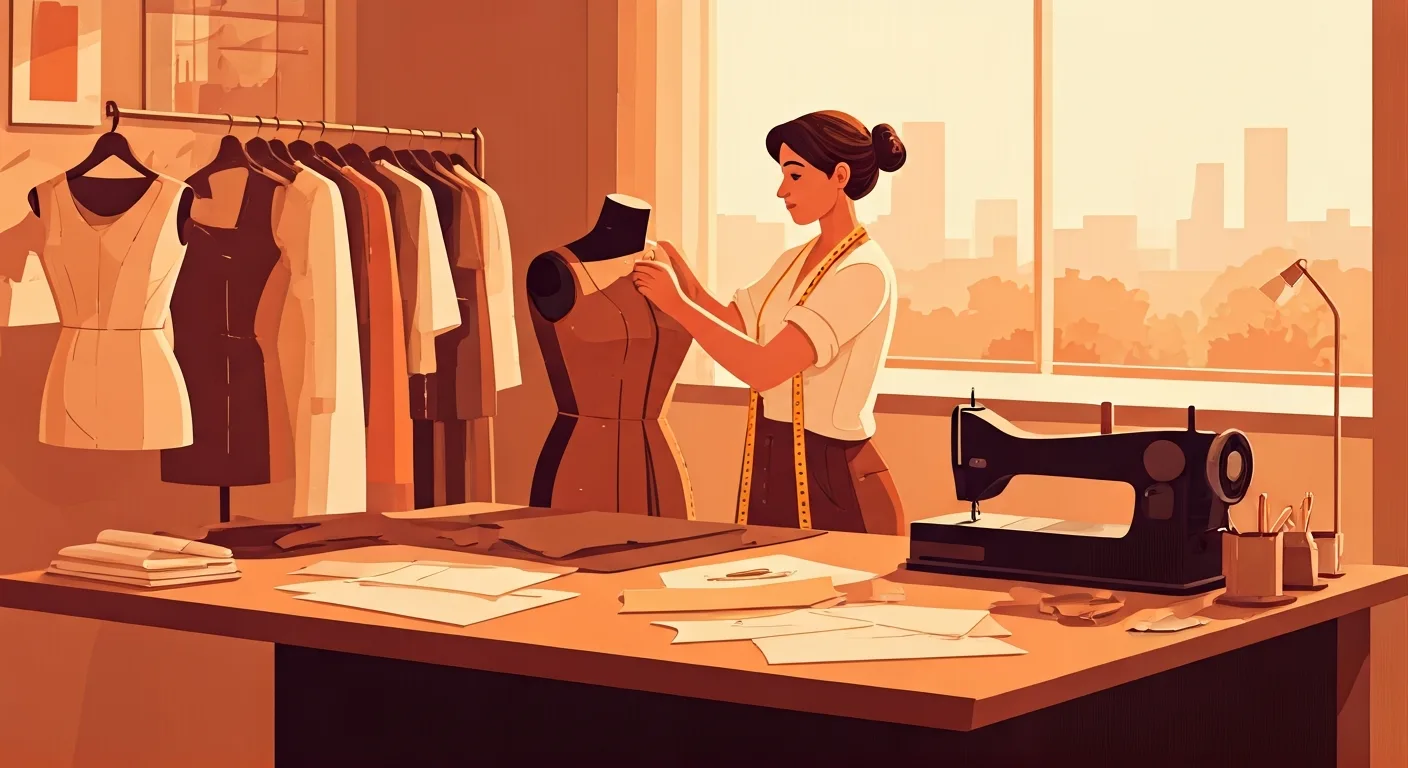
Specializes in the technical aspects of garment production, ensuring product quality, fit, and manufacturing feasibility. This involves meticulous checking of garment samples against design specifications, identifying construction issues, and working closely with designers and manufacturers to resolve problems before mass production begins.
Ensures that clothing products meet quality standards, fit correctly, and are manufactured efficiently, directly influencing customer satisfaction and brand reputation.
On the job
- Conduct fit sessions, analyzing garment drape, balance, and overall fit on models or mannequins.
- Inspect garment samples for construction quality, fabric integrity, and adherence to technical specifications.
- Translate design concepts into technical specifications and detailed measurement charts for manufacturers.
- Collaborate with designers and pattern makers to resolve fit and construction issues, proposing practical solutions.
- Approve final samples for production, ensuring all quality and compliance standards are met.
Tools & technology
Average salary
Job outlook
StableDemand is steady. This is an established role with consistent hiring across sectors.
Education & training
A vocational certificate, diploma, or associate's degree in fashion design, apparel technology, or textile engineering is common. Experience is highly valued.
AI impact outlook
Note — this is our current view. AI is moving fast, so we revisit these ratings.
Show how this was assessed Hide the detail
Note — this is our current view. AI is moving fast, so we revisit these ratings.
Show how this was assessed Hide the detailWhy this role received this rating
Core task exposure
high
How much of the role’s important work could AI perform?
Translating design concepts into technical specifications, generating measurement charts, and preliminary sample inspection against defined rules are highly amenable to AI assistance.
End-to-end automation
low
Can AI complete the work without substantial human involvement?
While AI can significantly aid in technical drafting and fit analysis, the nuanced aesthetic judgment, creative problem-solving during fit sessions, and final quality approval require human oversight and collaboration.
Adoption pressure
high
How likely are employers to introduce AI into this work?
The fashion industry's drive for speed, cost efficiency, and reduced sample iterations makes the adoption of AI for technical drafting and fit analysis highly likely.
Human dependence
strong
How much does success depend on human judgement, relationships and accountability?
Success critically depends on an acute aesthetic judgment of garment drape and fit, creative collaboration with designers, negotiation with manufacturers, and ultimate accountability for product quality.
Protective — a higher rating lowers the overall score.
Role adaptability
strong
How easily can the role evolve as AI takes on more tasks?
This role can readily adapt by becoming an expert user of AI design tools, specializing in complex fit challenges, managing supplier relationships, and integrating sustainable practices.
Shown for context — not part of the score.
What AI may take on
These are the parts of the role most likely to be automated or significantly accelerated.
- Generate detailed technical specifications and measurement charts from design concepts
- Analyze garment fit data from 3D scans and suggest pattern adjustments
- Inspect garment samples for construction quality and fabric integrity against specifications
- Predict manufacturing feasibility issues based on design and material inputs
Where people remain essential
These parts continue to depend heavily on human judgement, relationships and accountability.
- Conduct fit sessions, assessing garment drape and balance on live models
- Collaborate with designers to resolve complex fit and construction issues creatively
- Approve final samples for production, ensuring all quality and compliance standards are met
- Negotiate technical requirements and timelines with manufacturers
- Provide expert judgment on fabric behavior and aesthetic appeal
How the role may evolve
From manual spec-writing to data-driven fit analysis and creative solutions.
The role will shift towards leveraging AI for technical documentation and initial analysis, freeing technicians to focus on intricate fit problems, creative collaboration, and ensuring overall product quality and vision.
Strengthen your future fit
- Master advanced CAD software for apparel design and patternmaking
- Develop expertise in 3D garment simulation and virtual fitting
- Enhance communication and negotiation skills with designers and manufacturers
- Gain knowledge of sustainable materials and manufacturing processes
- Specialize in complex garment construction and problem-solving
- Assessment horizon
- 3–7 years
- Confidence
- High
- Last reviewed
- August 2026
- Methodology
- v1.0
This assessment reflects current AI capabilities and expected adoption patterns. Actual impacts will vary by industry, employer and the way each role is performed.
Career pathways
WHERE YOU COULD GO
CURRENT ROLE
Garment Technician
Manufacturing & Production
ADJACENT MOVES
STARTING POINTS
Who thrives here
Interest profile
realistic · RAC
Individuals who enjoy hands-on technical work, precise adherence to specifications, and understanding aesthetic requirements to ensure product quality and fit.
Personality characteristics
Detail-oriented
Meticulously checks every seam, measurement, and material to ensure quality and specification adherence.
Practical problem-solver
Enjoys finding functional and efficient solutions to complex garment construction and fit challenges.
Collaborative
Works effectively and patiently with designers, pattern makers, and manufacturers to achieve shared production goals.
Composed
Remains calm and objective when troubleshooting production issues or dealing with tight deadlines and conflicting feedback.
Observant
Pays close attention to visual details, how garments drape, and subtle nuances in fit and construction.
Best for
- Individuals who are meticulous, technically minded, and passionate about the quality and fit of apparel.
- Professionals who enjoy hands-on problem-solving and ensuring that designs can be successfully manufactured.
Watch out for
- Can involve repetitive inspection tasks and strict adherence to specifications, which might not suit highly spontaneous individuals.
- Requires frequent communication to mediate between creative and production teams, demanding strong interpersonal skills.
A week in the life
A representative working week for a Garment Technician — where the deep work, meetings, and admin actually land.
Real people. Real results.
Thousands of people
can't be wrong.
Frequently asked questions about Garment Technician roles
What does a Garment Technician do?
A Garment Technician specializes in the technical aspects of garment production, ensuring product quality, fit, and manufacturing feasibility. This involves meticulous checking of garment samples against design specifications, identifying construction issues, and working closely with designers and manufacturers to resolve problems before mass production begins. Ensures that clothing products meet quality standards, fit correctly, and are manufactured efficiently, directly influencing customer satisfaction and brand reputation.
How much does a Garment Technician earn?
A Garment Technician earns a median of $60,000 per year in the US, typically ranging from $45,000 to $80,000.
What qualifications do you need to become a Garment Technician?
To become a Garment Technician, a vocational certificate, diploma, or associate's degree in fashion design, apparel technology, or textile engineering is common. Experience is highly valued.
What personality suits a Garment Technician?
Garment Technician roles tend to suit people who are highly conscientious — precise, organised and strong on follow-through (Conscientiousness 82/100) and steady under pressure — deadlines and setbacks do not rattle them easily (Emotional Stability 72/100). The traits that matter most in the role are Detail-oriented, Practical problem-solver, Collaborative and Composed. Meticulously checks every seam, measurement, and material to ensure quality and specification adherence. On interests, Garment Technician maps to a RAC Holland Code profile — individuals who enjoy hands-on technical work, precise adherence to specifications, and understanding aesthetic requirements to ensure product quality and fit.
Who does a Garment Technician role suit?
A Garment Technician role is usually a strong fit for these reasons. High Conventional and Realistic alignment: the role demands precision, technical skill, and adherence to established standards. Requires strong attention to detail and problem-solving abilities to ensure product quality. Involves significant collaboration with various teams, suitable for those who enjoy teamwork.
What are the downsides of being a Garment Technician?
Garment Technician roles come with trade-offs worth weighing up. Can involve repetitive inspection tasks and strict adherence to specifications, which might not suit highly spontaneous individuals. Requires frequent communication to mediate between creative and production teams, demanding strong interpersonal skills.
What is the work environment like for a Garment Technician?
Work as a Garment Technician is mostly mixed-based with onsite arrangements common, semi-structured — a mix of set processes and self-directed work, a moderate pace and high exposure to clients or stakeholders. Around 65% of the week is focused deep work.
What skills do you need to be a Garment Technician?
Core skills for a Garment Technician include Garment construction, Pattern analysis, Quality control, Technical specification writing and Fit assessment.
How do you become a Garment Technician?
Common entry routes into Garment Technician roles include Apparel Assistant, Junior Pattern Maker and Textile Tester.
What career progression is there for a Garment Technician?
From a Garment Technician role, common next steps include Senior Garment Technician, Product Development Manager (Apparel) and Technical Design Manager; lateral moves include Pattern Maker.
What is the job outlook for Garment Technician roles?
The outlook for Garment Technician roles is currently rated stable. Demand is steady. This is an established role with consistent hiring across sectors.
Will AI replace Garment Technician roles?
Traitstack rates automation risk for Garment Technician roles at 56 out of 100, which is moderate. Although AI can accelerate technical specification generation and analyze fit data, the nuanced aesthetic judgment, creative problem-solving with designers, and final quality approval are roles only human technicians can perform. AI is most likely to take on generate detailed technical specifications and measurement charts from design concepts, analyze garment fit data from 3d scans and suggest pattern adjustments and inspect garment samples for construction quality and fabric integrity against specifications. Conduct fit sessions, assessing garment drape and balance on live models, collaborate with designers to resolve complex fit and construction issues creatively and approve final samples for production, ensuring all quality and compliance standards are met stay with people. From manual spec-writing to data-driven fit analysis and creative solutions. That score measures how much of the work could change, not the likelihood the job disappears. It is Traitstack's current view, revisited as AI capability moves.