Fencer
SOC 47-4099.03 · ESCO 9313 · OSCA 821331
Role snapshot
Overview
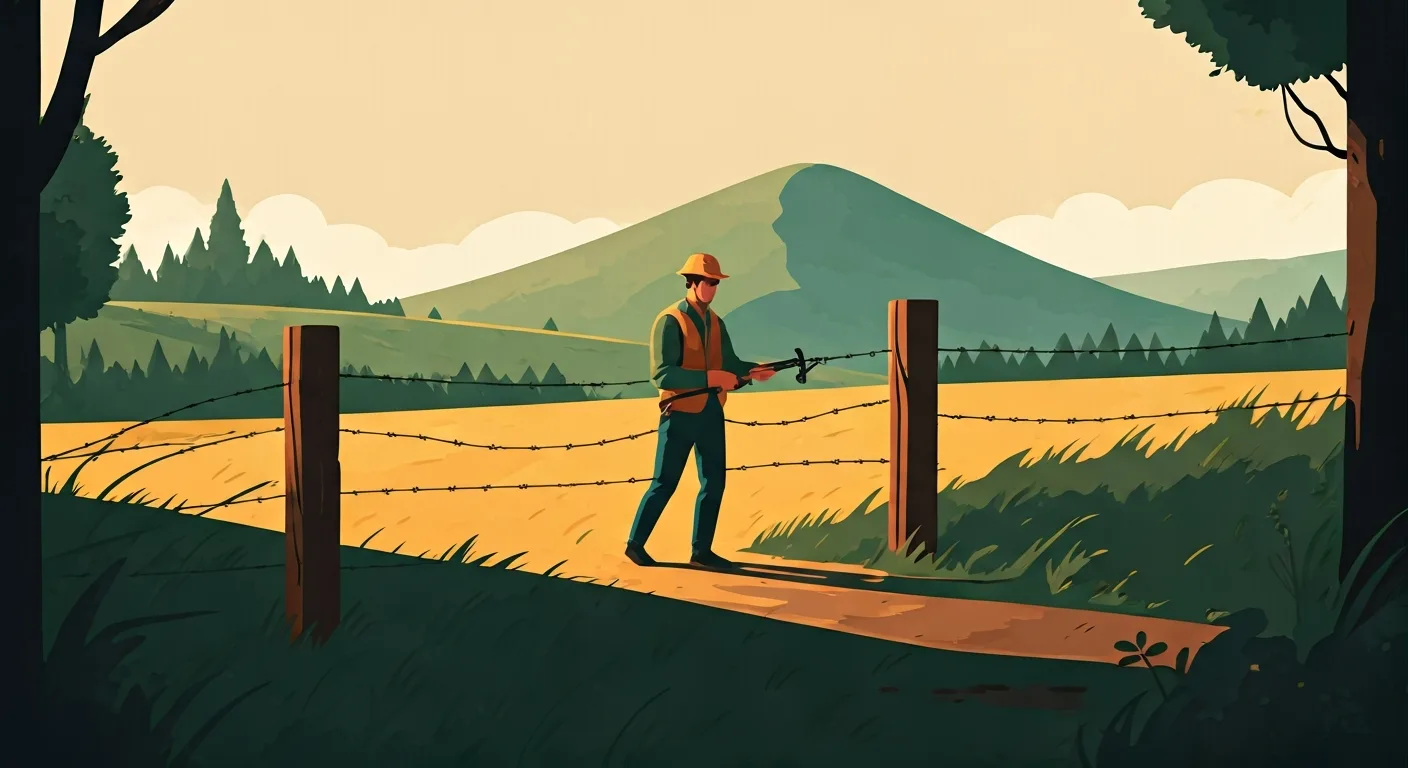
Builds, repairs, and installs fences and gates for rural properties, construction sites, or residential boundaries using timber, wire, steel, or other materials. Requires physical strength, practical skills, and knowledge of various fencing techniques and materials.
Provides essential boundary solutions for security, livestock management, property demarcation, and safety across various sectors, contributing to property value and operational efficiency.
On the job
- Measure and mark fence lines according to plans and specifications
- Dig post holes manually or using powered equipment
- Install fence posts, rails, and panels using various tools and techniques
- Stretch and secure wire, attach mesh, or assemble pre-fabricated sections
- Construct and install gates, ensuring proper alignment and functionality
Tools & technology
Average salary
Job outlook
StableDemand is steady. This is an established role with consistent hiring across sectors.
Education & training
No formal education is typically required, but vocational training or apprenticeships in fencing, construction, or land management can be beneficial. Practical experience is highly valued.
AI impact outlook
Note — this is our current view. AI is moving fast, so we revisit these ratings.
Show how this was assessed Hide the detail
Note — this is our current view. AI is moving fast, so we revisit these ratings.
Show how this was assessed Hide the detailWhy this role received this rating
Core task exposure
low
How much of the role’s important work could AI perform?
AI could assist with measuring fence lines, optimizing material use, and planning post locations based on terrain.
End-to-end automation
low
Can AI complete the work without substantial human involvement?
The physically demanding tasks of digging holes, installing posts, and working with materials on varied outdoor terrain prevent any end-to-end automation.
Adoption pressure
low
How likely are employers to introduce AI into this work?
The low-tech nature, cost sensitivity, and high variability of outdoor job sites will keep AI adoption very low for core installation tasks.
Human dependence
strong
How much does success depend on human judgement, relationships and accountability?
Success hinges on physical strength, practical problem-solving on-site, client communication, and adaptation to varied terrain/conditions.
Protective — a higher rating lowers the overall score.
Role adaptability
low
How easily can the role evolve as AI takes on more tasks?
Fencers must constantly adapt to different terrains, materials, and client requirements.
Shown for context — not part of the score.
What AI may take on
These are the parts of the role most likely to be automated or significantly accelerated.
- Measuring and marking fence lines on complex terrain based on plans
- Optimizing material quantities and ordering for specific fence types
- Generating digital plans for post-hole locations and gate placements
- Assessing terrain challenges and suggesting optimal installation approaches
- Creating quotes and estimates for various fencing projects
- Maintaining digital records of completed projects and materials used
Where people remain essential
These parts continue to depend heavily on human judgement, relationships and accountability.
- Physically digging post holes and installing fence posts by hand or machine
- Stretching and securing wire, attaching mesh, or assembling sections on-site
- Constructing and installing gates, ensuring proper alignment and functionality
- Adapting installation techniques to unforeseen ground conditions or obstacles
- Operating heavy machinery and power tools safely in outdoor environments
- Direct client communication regarding project scope and adjustments
- Accountability for the structural integrity and longevity of the fence
How the role may evolve
Applying practical skills to digitally planned outdoor projects.
AI will refine planning and material logistics, enabling fencers to focus their physical and practical skills on efficient, high-quality installation across diverse and challenging landscapes.
Strengthen your future fit
- Proficiency in operating various types of fencing machinery
- Expertise in different fencing materials and techniques
- Strong problem-solving skills for varied terrain and conditions
- Client communication and project management for small teams
- Adherence to safety protocols for outdoor construction
- Assessment horizon
- 3–7 years
- Confidence
- High
- Last reviewed
- August 2026
- Methodology
- v1.0
This assessment reflects current AI capabilities and expected adoption patterns. Actual impacts will vary by industry, employer and the way each role is performed.
Career pathways
WHERE YOU COULD GO
CURRENT ROLE
Fencer
Skilled Trades
ADJACENT MOVES
STARTING POINTS
Who thrives here
Interest profile
realistic · RCI
Individuals who enjoy hands-on work, problem-solving in practical settings, and precise execution of tasks, often outdoors, tend to find satisfaction in this role.
Personality characteristics
Diligent
Approaches tasks with thoroughness and precision, ensuring fences are built to last and meet specifications.
Hands-on
Prefers working with tools and materials, directly engaging in the physical process of building and repairing structures.
Resilient
Maintains composure and focus when facing physical demands, adverse weather, or minor setbacks on the job.
Practical Problem-Solver
Enjoys finding effective solutions to on-site challenges, such as uneven terrain or unexpected material issues.
Cooperative
Works effectively with team members and clients, understanding needs and coordinating efforts to complete projects.
Best for
- People who enjoy physical labor and working with tools.
- Individuals who prefer working outdoors rather than in an office.
- Those who take pride in building durable and functional structures.
Watch out for
- Can be physically demanding, requiring significant strength and stamina.
- Work is often exposed to various weather conditions.
- Requires regular travel to different job sites.
A week in the life
A representative working week for a Fencer — where the deep work, meetings, and admin actually land.
Real people. Real results.
Thousands of people
can't be wrong.


Frequently asked questions about Fencer roles
What does a Fencer do?
A Fencer builds, repairs, and installs fences and gates for rural properties, construction sites, or residential boundaries using timber, wire, steel, or other materials. Requires physical strength, practical skills, and knowledge of various fencing techniques and materials. Provides essential boundary solutions for security, livestock management, property demarcation, and safety across various sectors, contributing to property value and operational efficiency.
How much does a Fencer earn?
A Fencer earns a median of $48,000 per year in the US, typically ranging from $35,000 to $65,000.
What qualifications do you need to become a Fencer?
To become a Fencer, no formal education is typically required, but vocational training or apprenticeships in fencing, construction, or land management can be beneficial. Practical experience is highly valued.
What personality suits a Fencer?
Fencer roles tend to suit people who are highly conscientious — precise, organised and strong on follow-through (Conscientiousness 75/100) and steady under pressure — deadlines and setbacks do not rattle them easily (Emotional Stability 72/100). The traits that matter most in the role are Diligent, Hands-on, Resilient and Practical Problem-Solver. Approaches tasks with thoroughness and precision, ensuring fences are built to last and meet specifications. On interests, Fencer maps to a RCI Holland Code profile — individuals who enjoy hands-on work, problem-solving in practical settings, and precise execution of tasks, often outdoors, tend to find satisfaction in this role.
Who does a Fencer role suit?
A Fencer role is usually a strong fit for these reasons. Strong Realistic alignment: the role is hands-on, practical, and often performed outdoors. Requires a high degree of Conscientiousness for precision and durability in construction. Involves practical problem-solving, appealing to Investigative interests.
What are the downsides of being a Fencer?
Fencer roles come with trade-offs worth weighing up. Can be physically demanding, requiring significant strength and stamina. Work is often exposed to various weather conditions. Requires regular travel to different job sites.
What is the work environment like for a Fencer?
Work as a Fencer is mostly outdoors-based with onsite arrangements common, semi-structured — a mix of set processes and self-directed work, a moderate pace and medium exposure to clients or stakeholders. Around 68% of the week is focused deep work.
What skills do you need to be a Fencer?
Core skills for a Fencer include Fence construction, Material selection, Earthmoving equipment operation, Welding, Problem-solving and Physical stamina.
How do you become a Fencer?
Common entry routes into Fencer roles include Construction Laborer, Farm Hand and Apprentice Fencer.
What career progression is there for a Fencer?
From a Fencer role, common next steps include Fencing Foreman and Fencing Project Manager; lateral moves include Landscaper.
What is the job outlook for Fencer roles?
The outlook for Fencer roles is currently rated stable. Demand is steady. This is an established role with consistent hiring across sectors.
Will AI replace Fencer roles?
Traitstack rates automation risk for Fencer roles at 15 out of 100, which is low. Limited AI assistance for planning can be expected, but fencers will continue to perform the heavy physical labor, practical on-site problem-solving, and adaptation to varied outdoor conditions. AI is most likely to take on measuring and marking fence lines on complex terrain based on plans, optimizing material quantities and ordering for specific fence types and generating digital plans for post-hole locations and gate placements. Physically digging post holes and installing fence posts by hand or machine, stretching and securing wire, attaching mesh, or assembling sections on-site and constructing and installing gates, ensuring proper alignment and functionality stay with people. Applying practical skills to digitally planned outdoor projects. That score measures how much of the work could change, not the likelihood the job disappears. It is Traitstack's current view, revisited as AI capability moves.