Energy Assessor
SOC 47-4011.00 · ESCO 3119 · OSCA 312232
Role snapshot
Overview
Evaluates buildings and homes for energy efficiency by meticulously inspecting insulation, windows, doors, lighting, and heating, ventilation, and air conditioning (HVAC) systems. Utilizes diagnostic tools and software to produce detailed energy ratings and provides comprehensive reports with cost-effective recommendations to reduce energy consumption and improve indoor comfort.
Helps property owners reduce energy costs and environmental impact, improves building performance and occupant comfort, and contributes to broader sustainability goals and energy conservation efforts.
On the job
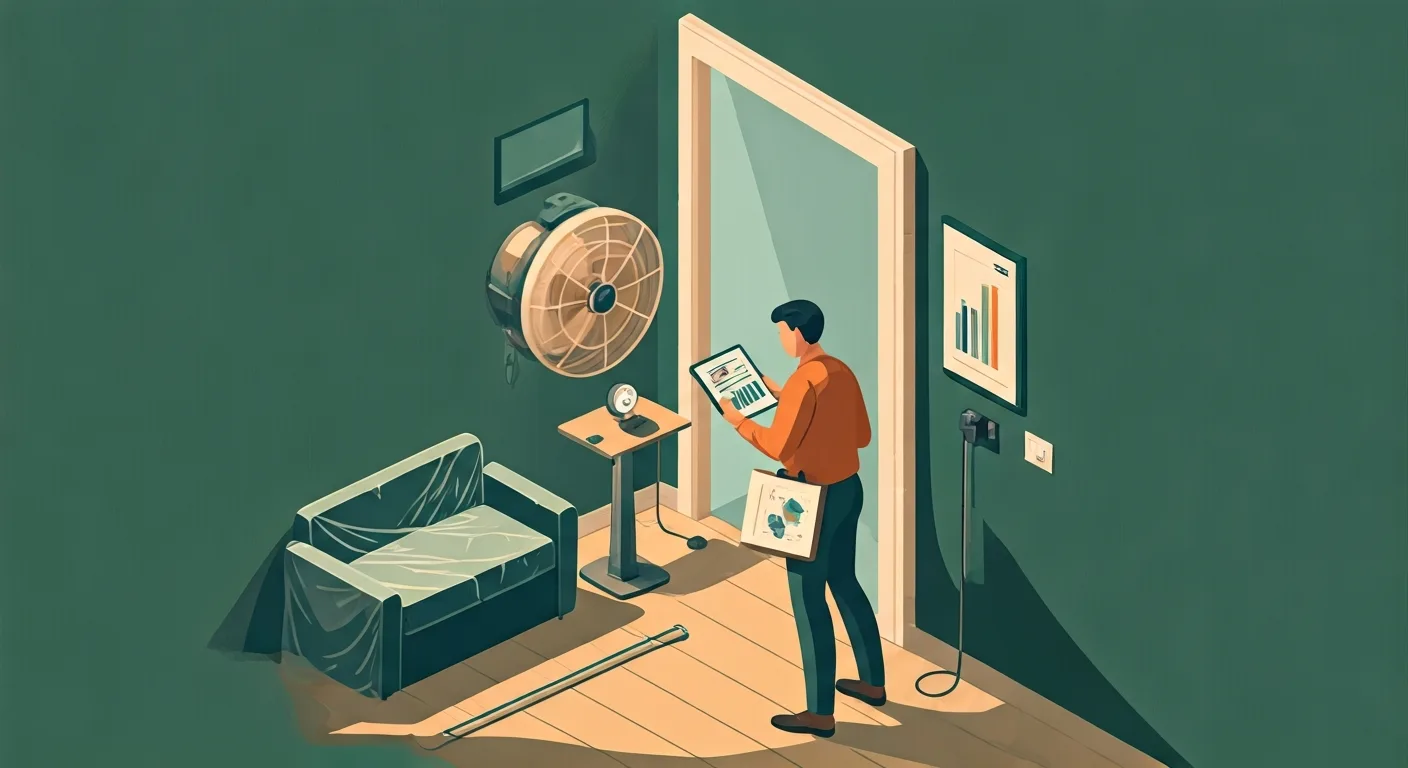
- Conduct on-site inspections of residential and commercial buildings using specialized equipment like thermal cameras and blower doors
- Analyze energy consumption data, utility bills, and building specifications to identify areas for improvement
- Develop detailed energy audit reports, including energy ratings, cost-benefit analyses, and recommended efficiency upgrades
- Educate clients on energy-saving practices and the benefits of recommended improvements
- Stay updated on the latest building science principles, energy codes, and efficiency technologies
Tools & technology
Average salary
Job outlook
GrowingJob growth is expected to be above average over the next five years.
Education & training
Typically requires a bachelor's degree in engineering, environmental science, construction management, or a related field, often coupled with specific industry certifications.
AI impact outlook
Note — this is our current view. AI is moving fast, so we revisit these ratings.
Show how this was assessed Hide the detail
Note — this is our current view. AI is moving fast, so we revisit these ratings.
Show how this was assessed Hide the detailWhy this role received this rating
Core task exposure
moderate
How much of the role’s important work could AI perform?
AI can efficiently analyze energy data and generate reports, but on-site diagnostic testing requires physical presence and specialized equipment operation.
End-to-end automation
low
Can AI complete the work without substantial human involvement?
Physical inspections, diagnostic tool operation, and direct client education prevent AI from completing the entire workflow unaided.
Adoption pressure
moderate
How likely are employers to introduce AI into this work?
Employers are likely to adopt AI for augmenting data analysis and report generation, but the cost and complexity of automating physical site work are high.
Human dependence
strong
How much does success depend on human judgement, relationships and accountability?
Success relies heavily on the assessor's expert judgment during inspections, ability to interpret complex findings, and build trust with clients to implement recommendations.
Protective — a higher rating lowers the overall score.
Role adaptability
strong
How easily can the role evolve as AI takes on more tasks?
The role can readily adapt by focusing on more complex diagnostic challenges, integrating new sensor technologies, and enhancing client advisory services.
Shown for context — not part of the score.
What AI may take on
These are the parts of the role most likely to be automated or significantly accelerated.
- Analyze historical energy consumption data for patterns
- Draft initial energy audit reports and recommendations based on input data
- Identify optimal energy efficiency upgrade scenarios
- Predict potential energy savings from various interventions
Where people remain essential
These parts continue to depend heavily on human judgement, relationships and accountability.
- Conduct on-site inspections using thermal cameras and blower doors
- Operate specialized diagnostic equipment in varied building conditions
- Interpret complex and ambiguous diagnostic findings with expert judgment
- Educate clients on energy-saving practices and recommendations
- Build client trust and persuade them to invest in upgrades
- Stay updated on the latest building science principles and codes
How the role may evolve
From routine assessments to advanced diagnostics and client advisory.
Assessors will spend less time on data processing and report drafting, shifting towards more sophisticated problem-solving, real-time diagnostic interpretation, and direct client engagement.
Strengthen your future fit
- Master advanced diagnostic equipment and techniques
- Develop strong client communication and persuasion skills
- Specialize in complex building science or specific energy systems
- Integrate and interpret data from multiple smart building technologies
- Assessment horizon
- 3–7 years
- Confidence
- Medium
- Last reviewed
- August 2026
- Methodology
- v1.0
This assessment reflects current AI capabilities and expected adoption patterns. Actual impacts will vary by industry, employer and the way each role is performed.
Career pathways
WHERE YOU COULD GO
CURRENT ROLE
Energy Assessor
Utilities & Energy
ADJACENT MOVES
STARTING POINTS
Who thrives here
Interest profile
realistic · RCI
People who enjoy hands-on technical work, systematic analysis, and solving practical problems related to energy efficiency often thrive as an Energy Assessor.
Personality characteristics
Systematic
Approaches inspections and data analysis with a highly organized and methodical process.
Practical
Enjoys working with tools and equipment, solving tangible problems in real-world settings.
Analytical
Driven by curiosity to understand how systems work and to diagnose inefficiencies through data.
Objective
Maintains a calm and steady demeanor when encountering unexpected issues or delivering technical findings.
Detail-oriented
Pays close attention to small components and intricate details during inspections and report generation.
Best for
- Individuals who enjoy diagnostic work and identifying practical solutions to technical problems
- Professionals who are systematic, detail-oriented, and committed to sustainability
- Those who thrive in a mix of independent fieldwork and detailed analytical reporting
Watch out for
- Requires significant time in the field, sometimes in varying weather conditions or confined spaces
- Continuous learning is essential to keep up with evolving building codes and energy technologies
A week in the life
A representative working week for an Energy Assessor — where the deep work, meetings, and admin actually land.
Real people. Real results.
Thousands of people
can't be wrong.


Frequently asked questions about Energy Assessor roles
What does an Energy Assessor do?
An Energy Assessor evaluates buildings and homes for energy efficiency by meticulously inspecting insulation, windows, doors, lighting, and heating, ventilation, and air conditioning (HVAC) systems. Utilizes diagnostic tools and software to produce detailed energy ratings and provides comprehensive reports with cost-effective recommendations to reduce energy consumption and improve indoor comfort. Helps property owners reduce energy costs and environmental impact, improves building performance and occupant comfort, and contributes to broader sustainability goals and energy conservation efforts.
How much does an Energy Assessor earn?
An Energy Assessor earns a median of $95,000 per year in the US, typically ranging from $60,000 to $130,000.
What qualifications do you need to become an Energy Assessor?
To become an Energy Assessor, typically requires a bachelor's degree in engineering, environmental science, construction management, or a related field, often coupled with specific industry certifications. Building Performance Institute (BPI) certifications (e.g., BPI Building Analyst, BPI Envelope Professional).
What personality suits an Energy Assessor?
Energy Assessor roles tend to suit people who are highly conscientious — precise, organised and strong on follow-through (Conscientiousness 82/100) and steady under pressure — deadlines and setbacks do not rattle them easily (Emotional Stability 72/100). The traits that matter most in the role are Systematic, Practical, Analytical and Objective. Approaches inspections and data analysis with a highly organized and methodical process. On interests, Energy Assessor maps to a RCI Holland Code profile — people who enjoy hands-on technical work, systematic analysis, and solving practical problems related to energy efficiency often thrive as an Energy Assessor.
Who does an Energy Assessor role suit?
An Energy Assessor role is usually a strong fit for these reasons. Strong Realistic and Investigative alignment: the role is hands-on, technical, and requires deep problem-solving. High conscientiousness is rewarded for meticulous inspections and detailed report generation. Opportunities for client education and consultation appeal to those who enjoy sharing technical knowledge.
What are the downsides of being an Energy Assessor?
Energy Assessor roles come with trade-offs worth weighing up. Requires significant time in the field, sometimes in varying weather conditions or confined spaces. Continuous learning is essential to keep up with evolving building codes and energy technologies.
What is the work environment like for an Energy Assessor?
Work as an Energy Assessor is mostly mixed-based with hybrid arrangements common, semi-structured — a mix of set processes and self-directed work, a moderate pace and high exposure to clients or stakeholders. Around 40% of the week is focused deep work.
What skills do you need to be an Energy Assessor?
Core skills for an Energy Assessor include Building science principles, HVAC system knowledge, Energy auditing techniques, Data analysis and interpretation, Technical report writing and Client communication and education.
How do you become an Energy Assessor?
Common entry routes into Energy Assessor roles include Junior Energy Auditor, Building Diagnostics Technician and Construction Inspector.
What career progression is there for an Energy Assessor?
From an Energy Assessor role, common next steps include Senior Energy Assessor and Energy Manager; lateral moves include Sustainable Building Consultant and HVAC Engineer.
What is the job outlook for Energy Assessor roles?
The outlook for Energy Assessor roles is currently rated growing. Job growth is expected to be above average over the next five years.
Will AI replace Energy Assessor roles?
Traitstack rates automation risk for Energy Assessor roles at 45 out of 100, which is moderate. AI will enhance analysis and reporting, while on-site diagnostic testing and client education remain firmly with human experts. AI is most likely to take on analyze historical energy consumption data for patterns, draft initial energy audit reports and recommendations based on input data and identify optimal energy efficiency upgrade scenarios. Conduct on-site inspections using thermal cameras and blower doors, operate specialized diagnostic equipment in varied building conditions and interpret complex and ambiguous diagnostic findings with expert judgment stay with people. From routine assessments to advanced diagnostics and client advisory. That score measures how much of the work could change, not the likelihood the job disappears. It is Traitstack's current view, revisited as AI capability moves.