Computer User Support Specialist
SOC 15-1232.00 · ESCO 3512
Role snapshot
Overview
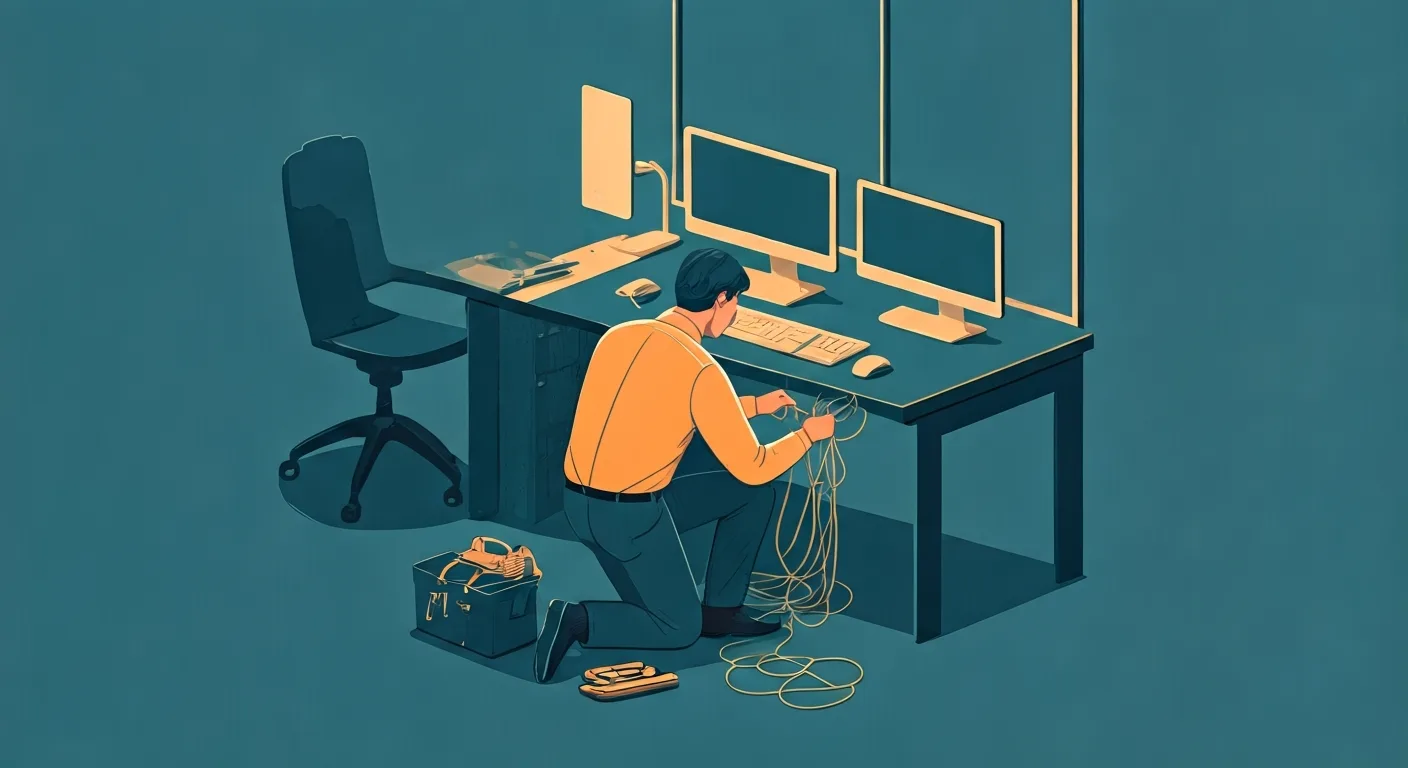
Computer User Support Specialists provide technical assistance and support to computer users. They are the frontline for resolving hardware and software issues, answering help-desk tickets, and guiding users through technical problems. This role requires patience, clear communication, and strong technical knowledge to ensure smooth operation of IT systems and user satisfaction. They also often set up new workstations and maintain basic IT infrastructure.
Ensures employees have functional technology, minimizing downtime and maximizing productivity across the organization by providing timely and effective technical solutions.
On the job
- Respond to help-desk requests and troubleshoot hardware and software issues
- Walk users through problem-solving steps, either in person or remotely
- Install, configure, and maintain computer systems and applications
- Set up and deploy new workstations, laptops, and mobile devices
- Document solutions and create knowledge base articles for common issues
Tools & technology
Average salary
Job outlook
GrowingJob growth is expected to be above average over the next five years.
Education & training
A certificate or associate's degree in information technology, computer science, or a related field is common, though practical experience and certifications are often highly valued.
AI impact outlook
Note — this is our current view. AI is moving fast, so we revisit these ratings.
Show how this was assessed Hide the detail
Note — this is our current view. AI is moving fast, so we revisit these ratings.
Show how this was assessed Hide the detailWhy this role received this rating
Core task exposure
high
How much of the role’s important work could AI perform?
Many routine troubleshooting steps, basic installations, and documentation of common issues are highly exposed to AI automation.
End-to-end automation
moderate
Can AI complete the work without substantial human involvement?
AI can resolve a significant portion of simple help-desk tickets and provide guided solutions without human intervention.
Adoption pressure
high
How likely are employers to introduce AI into this work?
Employers face high pressure to adopt AI to improve efficiency, reduce costs, and provide 24/7 support for common user issues.
Human dependence
moderate
How much does success depend on human judgement, relationships and accountability?
Success requires human patience, clear communication with frustrated users, and the judgment to handle novel or physically-dependent technical issues.
Protective — a higher rating lowers the overall score.
Role adaptability
strong
How easily can the role evolve as AI takes on more tasks?
The role can readily adapt by focusing on managing AI tools, handling more complex cases, and training users on new systems.
Shown for context — not part of the score.
What AI may take on
These are the parts of the role most likely to be automated or significantly accelerated.
- Respond to help-desk requests for common issues
- Walk users through basic problem-solving steps
- Document standard solutions in knowledge bases
- Perform initial setup of new workstations with pre-defined configurations
- Diagnose known software conflicts
Where people remain essential
These parts continue to depend heavily on human judgement, relationships and accountability.
- Resolving complex, novel, or undocumented technical issues
- Performing physical hardware repairs or replacements
- De-escalating frustrated or non-technical users
- Developing new self-service and AI-driven support solutions
- Advanced network and system configurations
- Training non-technical staff on new technologies
- Managing vendor relationships for specialized support
How the role may evolve
Less time on routine tickets. More focus on system management and user empowerment.
The role shifts from directly resolving every user query to overseeing automated support and intervening only for unique or high-impact problems requiring human judgment.
Strengthen your future fit
- Mastering AI-driven support platforms
- Advanced diagnostic and problem-solving techniques
- Strong communication and empathy for user interaction
- Proactive user education and training
- System administration and automation scripting
- Assessment horizon
- 3–7 years
- Confidence
- High
- Last reviewed
- August 2026
- Methodology
- v1.0
This assessment reflects current AI capabilities and expected adoption patterns. Actual impacts will vary by industry, employer and the way each role is performed.
Career pathways
WHERE YOU COULD GO
CURRENT ROLE
Computer User Support Specialist
IT Operations & Security
ADJACENT MOVES
STARTING POINTS
Who thrives here
Interest profile
conventional · CRI
People who enjoy systematically solving technical problems, working with tools and equipment, and continuously learning new technologies tend to thrive in this role.
Personality characteristics
Detail-oriented
Approaches technical issues with precision and ensures thorough solutions are implemented.
Patient Communicator
Explains complex technical information clearly and maintains a calm, helpful demeanor with users.
Problem-Solver
Enjoys diagnosing root causes of issues and systematically working through solutions.
Calm Under Pressure
Handles stressful situations, such as critical system failures or frustrated users, with composure.
Curious Learner
Has a genuine interest in understanding new technologies and keeping technical skills up-to-date.
Best for
- Individuals who enjoy diagnosing and fixing technical problems for others
- Those who thrive in a role that combines technical skill with direct customer interaction
- People who value continuous learning in a dynamic technology environment
Watch out for
- Can be repetitive with common issues, requiring patience and a positive attitude
- High-pressure situations during critical system failures can be stressful
A week in the life
A representative working week for a Computer User Support Specialist — where the deep work, meetings, and admin actually land.
Real people. Real results.
Thousands of people
can't be wrong.



Frequently asked questions about Computer User Support Specialist roles
What does a Computer User Support Specialist do?
A Computer User Support Specialist computer User Support Specialists provide technical assistance and support to computer users. They are the frontline for resolving hardware and software issues, answering help-desk tickets, and guiding users through technical problems. This role requires patience, clear communication, and strong technical knowledge to ensure smooth operation of IT systems and user satisfaction. They also often set up new workstations and maintain basic IT infrastructure. Ensures employees have functional technology, minimizing downtime and maximizing productivity across the organization by providing timely and effective technical solutions.
How much does a Computer User Support Specialist earn?
A Computer User Support Specialist earns a median of $60,000 per year in the US, typically ranging from $45,000 to $80,000.
What qualifications do you need to become a Computer User Support Specialist?
To become a Computer User Support Specialist, a certificate or associate's degree in information technology, computer science, or a related field is common, though practical experience and certifications are often highly valued.
What personality suits a Computer User Support Specialist?
Computer User Support Specialist roles tend to suit people who are highly conscientious — precise, organised and strong on follow-through (Conscientiousness 78/100) and warm and cooperative — tuned in to the people around them (Agreeableness 65/100). The traits that matter most in the role are Detail-oriented, Patient Communicator, Problem-Solver and Calm Under Pressure. Approaches technical issues with precision and ensures thorough solutions are implemented. On interests, Computer User Support Specialist maps to a CRI Holland Code profile — people who enjoy systematically solving technical problems, working with tools and equipment, and continuously learning new technologies tend to thrive in this role.
Who does a Computer User Support Specialist role suit?
A Computer User Support Specialist role is usually a strong fit for these reasons. Strong Conventional and Realistic alignment: the role rewards systematic troubleshooting and hands-on technical work. High Conscientiousness is valued for meticulous problem-solving and reliable support. Significant direct user interaction caters to those with moderate Extroversion and high Agreeableness.
What are the downsides of being a Computer User Support Specialist?
Computer User Support Specialist roles come with trade-offs worth weighing up. Can be repetitive with common issues, requiring patience and a positive attitude. High-pressure situations during critical system failures can be stressful.
What is the work environment like for a Computer User Support Specialist?
Work as a Computer User Support Specialist is mostly office-based with hybrid arrangements common, semi-structured — a mix of set processes and self-directed work, a moderate pace and high exposure to clients or stakeholders. Around 78% of the week is focused deep work.
What skills do you need to be a Computer User Support Specialist?
Core skills for a Computer User Support Specialist include Technical Troubleshooting, Customer Service, Hardware & Software Installation, Network Basics and Problem Solving.
How do you become a Computer User Support Specialist?
Common entry routes into Computer User Support Specialist roles include Help Desk Intern, It Support Associate and Junior Desktop Support.
What career progression is there for a Computer User Support Specialist?
From a Computer User Support Specialist role, common next steps include Senior Computer User Support Specialist, Network Administrator and Systems Administrator; lateral moves include IT Project Coordinator and Technical Trainer.
What is the job outlook for Computer User Support Specialist roles?
The outlook for Computer User Support Specialist roles is currently rated growing. Job growth is expected to be above average over the next five years.
Will AI replace Computer User Support Specialist roles?
Traitstack rates automation risk for Computer User Support Specialist roles at 71 out of 100, which is strong. Routine troubleshooting is increasingly handled by AI, freeing human specialists to manage complex technical issues, system configurations, and user training. AI is most likely to take on respond to help-desk requests for common issues, walk users through basic problem-solving steps and document standard solutions in knowledge bases. Resolving complex, novel, or undocumented technical issues, performing physical hardware repairs or replacements and de-escalating frustrated or non-technical users stay with people. Less time on routine tickets. More focus on system management and user empowerment. That score measures how much of the work could change, not the likelihood the job disappears. It is Traitstack's current view, revisited as AI capability moves.