Audio Engineer
SOC 27-4014.00 · ESCO 3521 · OSCA 391231
Role snapshot
Overview
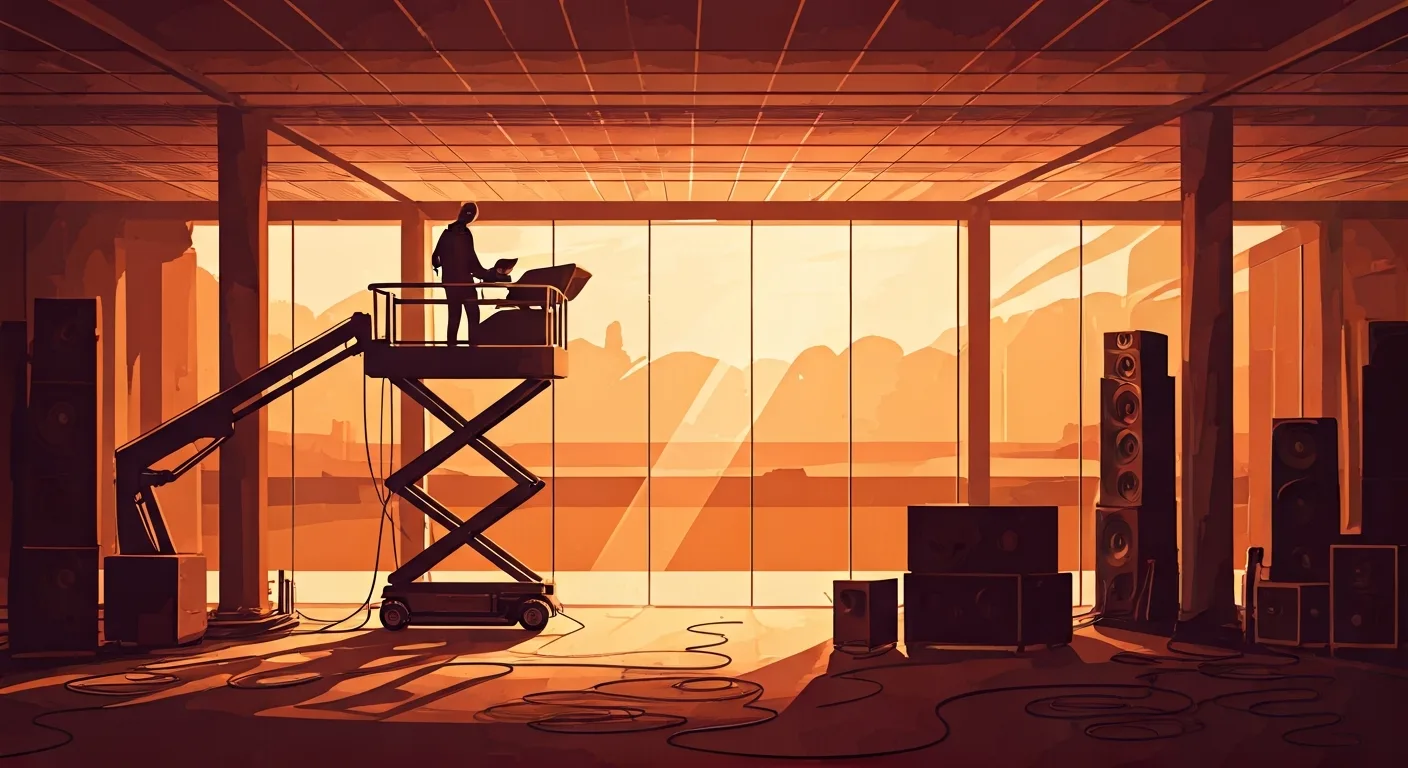
Sets up, operates, and mixes sound recording and live audio systems for music, film, or events, positioning microphones, adjusting levels, and processing tracks to achieve high-quality output. This role involves technical expertise in acoustics, signal flow, and audio equipment, combined with an artistic ear for balance and clarity.
Ensures clear, balanced, and impactful audio experiences for audiences and recordings, contributing to the artistic and technical quality of music, film, and live performances.
On the job
- Position and select microphones for optimal sound capture in studio or live settings
- Operate mixing consoles and digital audio workstations (DAWs) to balance audio levels, apply effects, and route signals
- Troubleshoot technical issues with audio equipment, cabling, and software during setup and performance
- Collaborate with musicians, producers, directors, or event organizers to achieve desired sonic outcomes
- Perform post-production tasks such as editing, mixing, and mastering recorded audio tracks
Tools & technology
Average salary
Job outlook
StableDemand is steady. This is an established role with consistent hiring across sectors.
Education & training
Certificate, diploma, or bachelor’s degree in audio engineering, music production, or a related field.
AI impact outlook
Note — this is our current view. AI is moving fast, so we revisit these ratings.
Show how this was assessed Hide the detail
Note — this is our current view. AI is moving fast, so we revisit these ratings.
Show how this was assessed Hide the detailWhy this role received this rating
Core task exposure
moderate
How much of the role’s important work could AI perform?
AI can perform advanced noise reduction, auto-mixing, mastering, and suggest optimal microphone placement and signal processing chains.
End-to-end automation
low
Can AI complete the work without substantial human involvement?
The subjective artistic interpretation of sound, creative collaboration with musicians, and real-time decision-making for a desired sonic aesthetic prevent full workflow automation.
Adoption pressure
high
How likely are employers to introduce AI into this work?
The high potential for efficiency and quality gains in recording, mixing, and mastering processes makes AI adoption highly likely in audio production.
Human dependence
moderate
How much does success depend on human judgement, relationships and accountability?
Success hinges on the engineer's artistic 'ear,' subjective judgment in balancing sounds, and the ability to interpret and achieve an artist's unique sonic vision through collaboration.
Protective — a higher rating lowers the overall score.
Role adaptability
strong
How easily can the role evolve as AI takes on more tasks?
Audio engineers regularly adapt to new software, hardware, and production techniques, making them highly capable of integrating AI tools into their workflows.
Shown for context — not part of the score.
What AI may take on
These are the parts of the role most likely to be automated or significantly accelerated.
- Perform automated noise reduction and audio repair
- Suggest optimal microphone types and placements
- Generate initial mixes and masters based on genre analysis
- Automate dynamic processing and equalization across tracks
- Transcribe audio and generate metadata for sound libraries
Where people remain essential
These parts continue to depend heavily on human judgement, relationships and accountability.
- Interpret and achieve a unique artistic sonic vision for a project
- Collaborate effectively with musicians, producers, and directors
- Make subjective creative judgments on mix balance and sound aesthetics
- Troubleshoot complex technical issues with unique studio setups
- Provide real-time feedback and adjustments during recording sessions
- Manage client relationships and project expectations
How the role may evolve
Less on technical mixing, more on artistic sound design.
Engineers will spend less time on repetitive technical mixing tasks and more on creative sound design, artistic interpretation, and guiding AI tools to achieve a specific sonic aesthetic.
Strengthen your future fit
- Advanced artistic sound design and sonic branding
- Expertise in AI-driven audio processing and mastering tools
- Strong communication and collaboration with artists
- Acoustic analysis and room optimization for recording spaces
- Creative problem-solving for unique audio challenges
- Assessment horizon
- 3–7 years
- Confidence
- High
- Last reviewed
- August 2026
- Methodology
- v1.0
This assessment reflects current AI capabilities and expected adoption patterns. Actual impacts will vary by industry, employer and the way each role is performed.
Career pathways
WHERE YOU COULD GO
CURRENT ROLE
Audio Engineer
Entertainment & Media
ADJACENT MOVES
STARTING POINTS
Who thrives here
Interest profile
artistic · RAC
People who enjoy combining technical skill with artistic creativity to produce high-quality sound, and who thrive in structured but dynamic environments, often find satisfaction as an Audio Engineer.
Personality characteristics
Creative
Possesses a strong artistic sense and enjoys shaping soundscapes to evoke emotion and achieve desired aesthetics.
Detail-oriented
Meticulous about sound quality, signal flow, and precise adjustments to achieve the best possible audio output.
Technical Problem-solver
Enjoys diagnosing and fixing issues with complex audio equipment and systems.
Calm under pressure
Maintains composure and focus in fast-paced live environments or during critical recording sessions.
Collaborative
Works effectively with musicians, producers, and directors, translating their vision into technical sound execution.
Best for
- Individuals who are passionate about sound and audio technology, combining technical skills with an artistic ear.
- Those who thrive in dynamic environments, enjoy problem-solving, and can manage pressure during live events or critical recordings.
- People who enjoy contributing to creative projects through technical expertise and meticulous attention to detail.
Watch out for
- Irregular hours and occasional weekend work, especially in live event or production-heavy environments.
- Requires constant learning to keep up with evolving audio technologies and software.
A week in the life
A representative working week for an Audio Engineer — where the deep work, meetings, and admin actually land.
Real people. Real results.
Thousands of people
can't be wrong.




Frequently asked questions about Audio Engineer roles
What does an Audio Engineer do?
An Audio Engineer sets up, operates, and mixes sound recording and live audio systems for music, film, or events, positioning microphones, adjusting levels, and processing tracks to achieve high-quality output. This role involves technical expertise in acoustics, signal flow, and audio equipment, combined with an artistic ear for balance and clarity. Ensures clear, balanced, and impactful audio experiences for audiences and recordings, contributing to the artistic and technical quality of music, film, and live performances.
How much does an Audio Engineer earn?
An Audio Engineer earns a median of $68,000 per year in the US, typically ranging from $45,000 to $110,000.
What qualifications do you need to become an Audio Engineer?
To become an Audio Engineer, certificate, diploma, or bachelor’s degree in audio engineering, music production, or a related field.
What personality suits an Audio Engineer?
Audio Engineer roles tend to suit people who are open and curious — drawn to variety, ideas and new approaches (Openness 82/100) and highly conscientious — precise, organised and strong on follow-through (Conscientiousness 70/100). The traits that matter most in the role are Creative, Detail-oriented, Technical Problem-solver and Calm under pressure. Possesses a strong artistic sense and enjoys shaping soundscapes to evoke emotion and achieve desired aesthetics. On interests, Audio Engineer maps to a RAC Holland Code profile — people who enjoy combining technical skill with artistic creativity to produce high-quality sound, and who thrive in structured but dynamic environments, often find satisfaction as an Audio Engineer.
Who does an Audio Engineer role suit?
An Audio Engineer role is usually a strong fit for these reasons. Strong Realistic and Artistic interests are crucial for the hands-on technical work and creative sound shaping. The role involves a significant amount of 'deep work' focused on precise audio adjustments and problem-solving. High stakeholder exposure allows for direct collaboration and impact on artistic projects.
What are the downsides of being an Audio Engineer?
Audio Engineer roles come with trade-offs worth weighing up. Irregular hours and occasional weekend work, especially in live event or production-heavy environments. Requires constant learning to keep up with evolving audio technologies and software.
What is the work environment like for an Audio Engineer?
Work as an Audio Engineer is mostly mixed-based with hybrid arrangements common, semi-structured — a mix of set processes and self-directed work and high exposure to clients or stakeholders. Around 55% of the week is focused deep work.
What skills do you need to be an Audio Engineer?
Core skills for an Audio Engineer include Sound mixing and balancing, Acoustics and room treatment, Digital Audio Workstation (DAW) proficiency, Microphone placement techniques and Audio equipment troubleshooting.
How do you become an Audio Engineer?
Common entry routes into Audio Engineer roles include Audio Assistant, Studio Intern and Live Sound Technician.
What career progression is there for an Audio Engineer?
From an Audio Engineer role, common next steps include Senior Audio Engineer; lateral moves include Music Producer, Sound Designer and Broadcast Engineer.
What is the job outlook for Audio Engineer roles?
The outlook for Audio Engineer roles is currently rated stable. Demand is steady. This is an established role with consistent hiring across sectors.
Will AI replace Audio Engineer roles?
Traitstack rates automation risk for Audio Engineer roles at 56 out of 100, which is moderate. Many technical mixing and mastering processes can be optimized by AI, yet the artistic interpretation of sound and collaborative vision with artists remain human-led. AI is most likely to take on perform automated noise reduction and audio repair, suggest optimal microphone types and placements and generate initial mixes and masters based on genre analysis. Interpret and achieve a unique artistic sonic vision for a project, collaborate effectively with musicians, producers, and directors and make subjective creative judgments on mix balance and sound aesthetics stay with people. Less on technical mixing, more on artistic sound design. That score measures how much of the work could change, not the likelihood the job disappears. It is Traitstack's current view, revisited as AI capability moves.